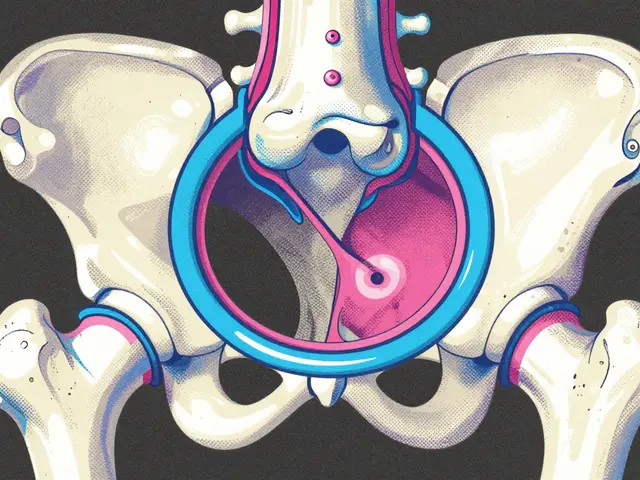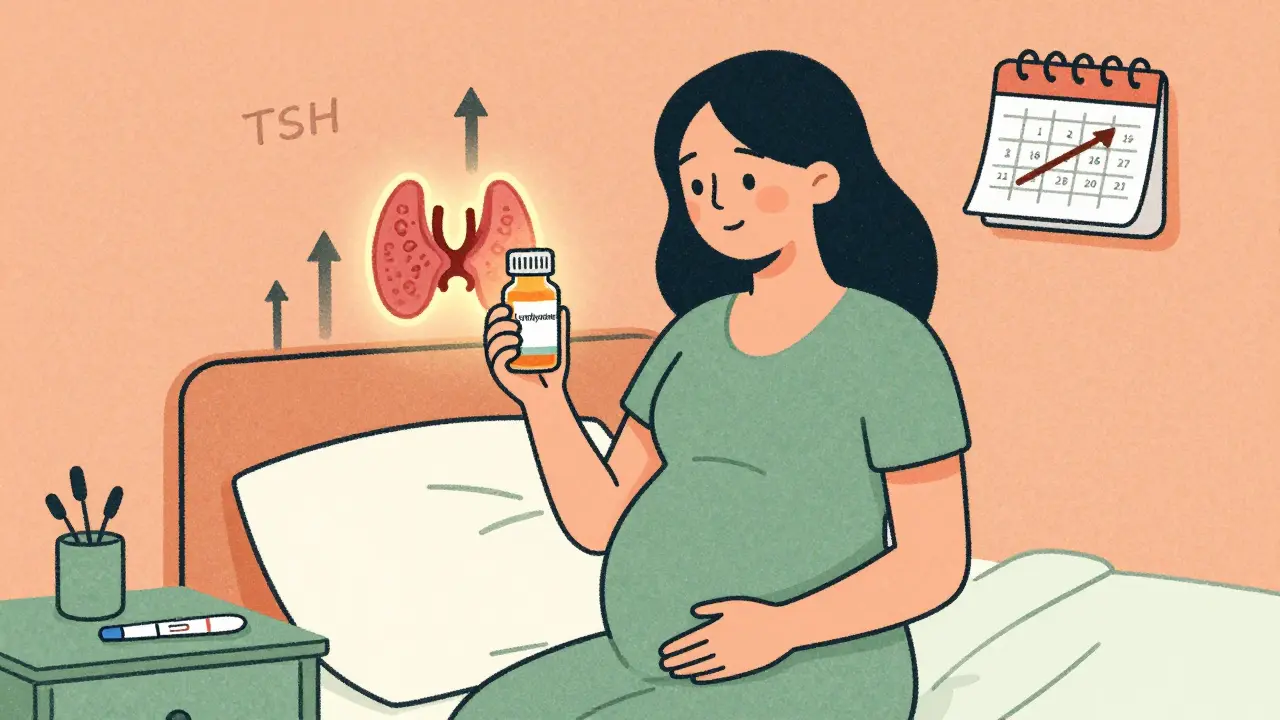
Proper thyroid medication management during pregnancy is critical for fetal brain development. Levothyroxine doses typically need a 20-30% increase soon after conception, with TSH monitored every 4 weeks to stay below 2.5 mIU/L. Delayed adjustments raise miscarriage and developmental risks.
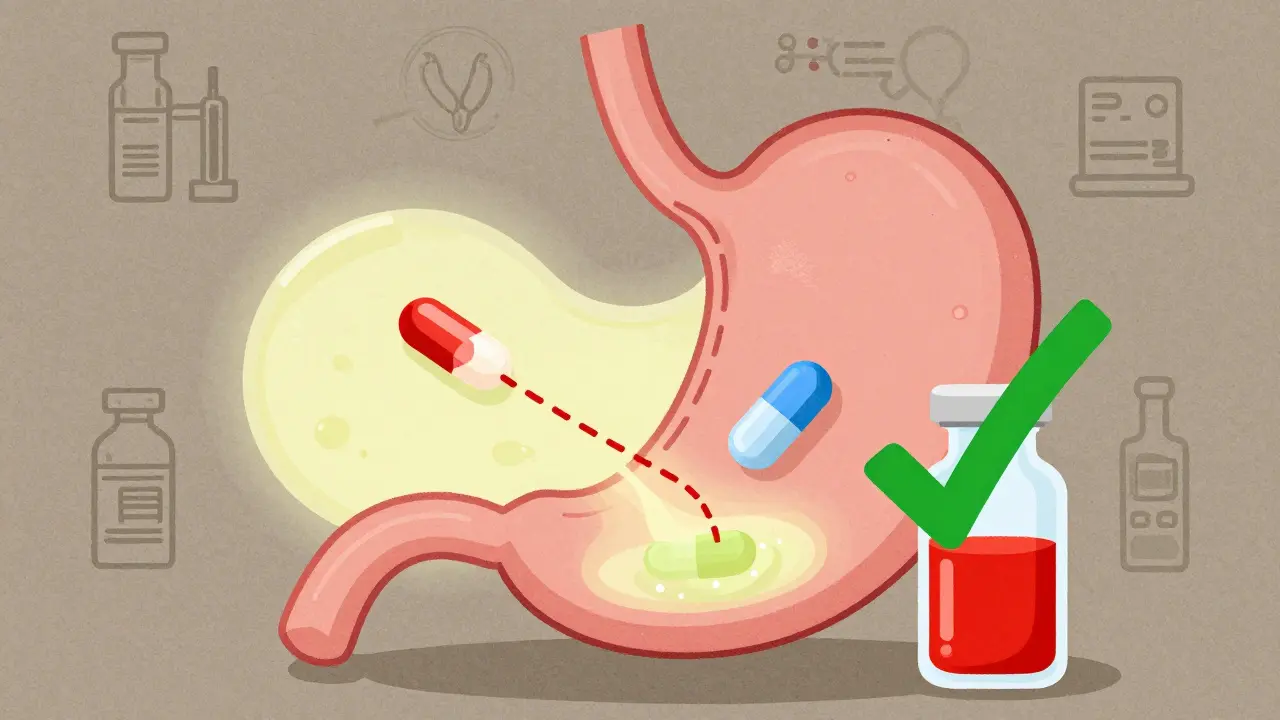
H2 blockers like famotidine and cimetidine can reduce the effectiveness of antivirals and antifungals by raising stomach pH and interfering with liver enzymes. Learn which drugs are at risk and how to avoid dangerous interactions.
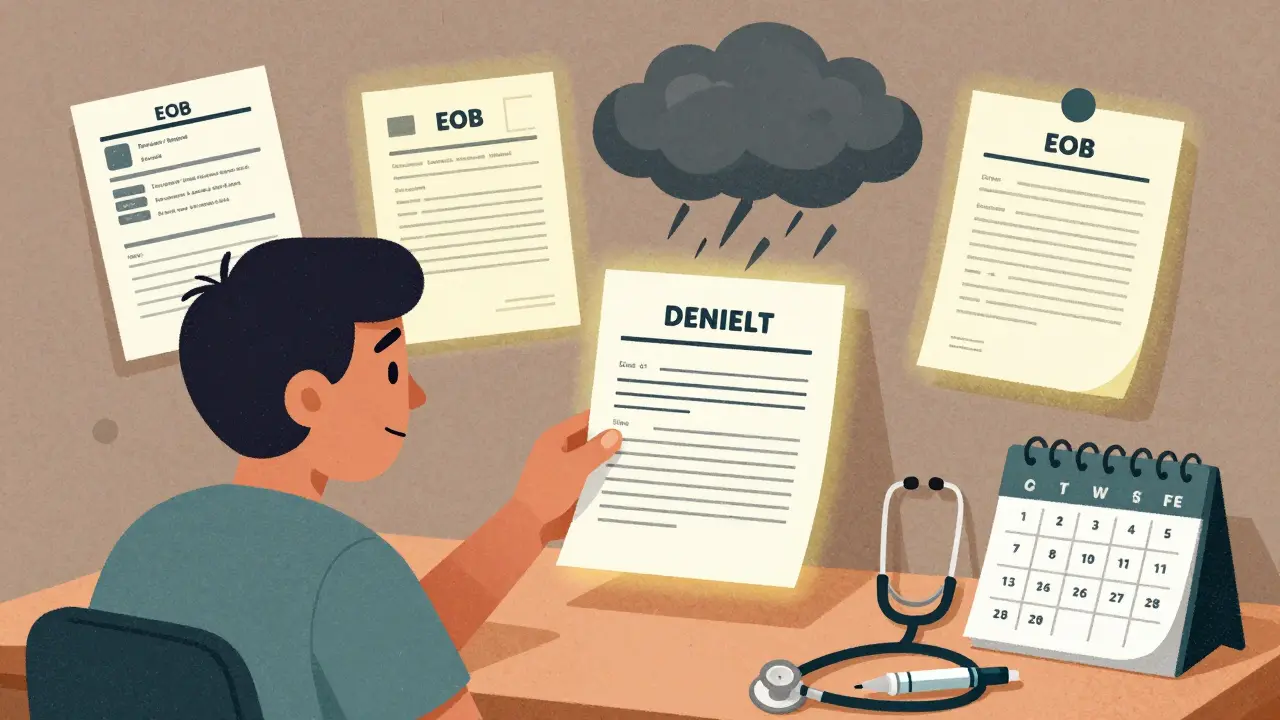
Learn how to successfully appeal insurance denials for brand-name medications with step-by-step guidance, key documentation, and real-world strategies that increase your chances of approval.
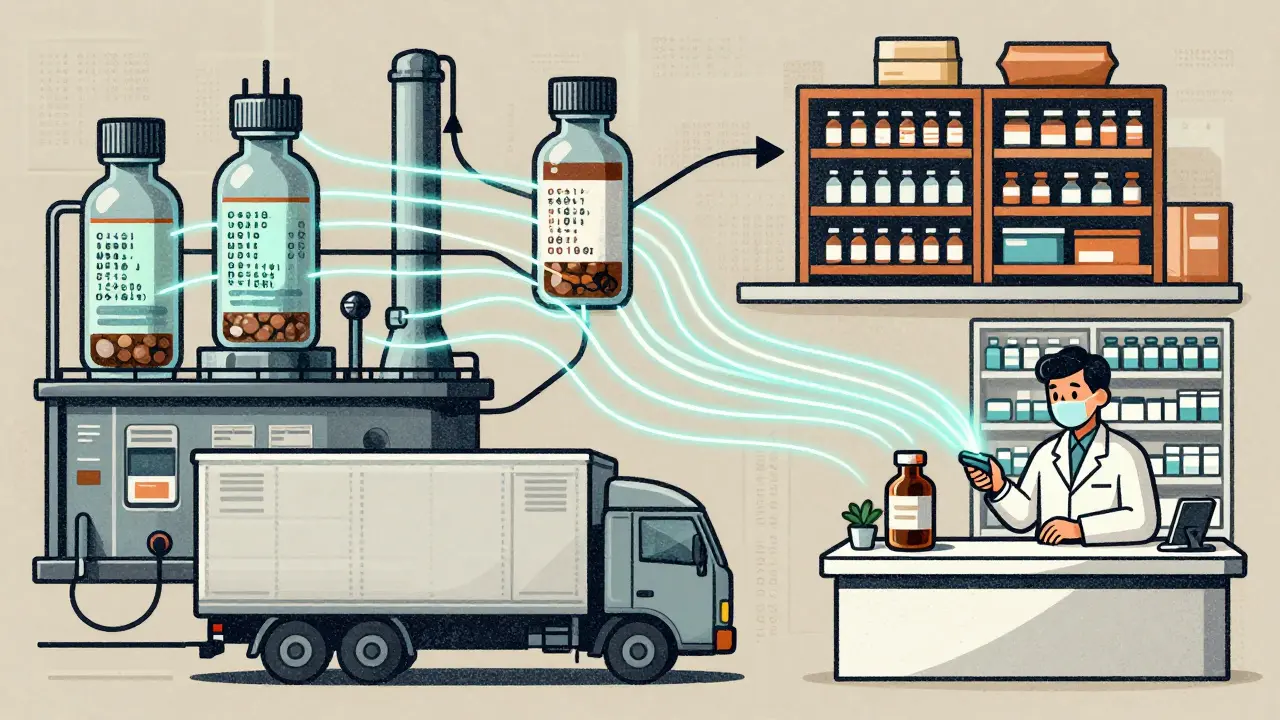
The DSCSA track-and-trace system is the U.S. government's solution to stop counterfeit drugs by requiring every prescription package to have a unique digital identifier. By 2024, all manufacturers, wholesalers, and pharmacies must verify drugs electronically to ensure safety.
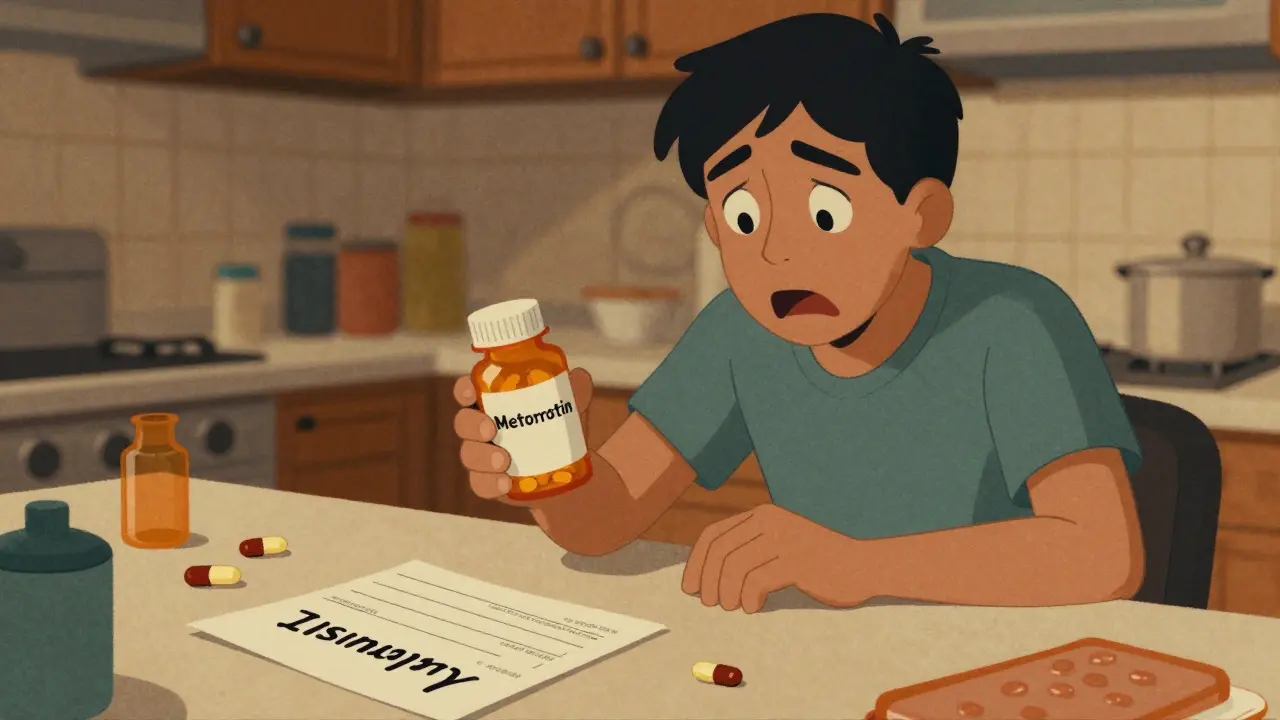
If you receive the wrong medication from the pharmacy, act fast. Stop taking it, call your doctor, preserve evidence, and report the error. These steps can prevent harm and protect your legal rights.
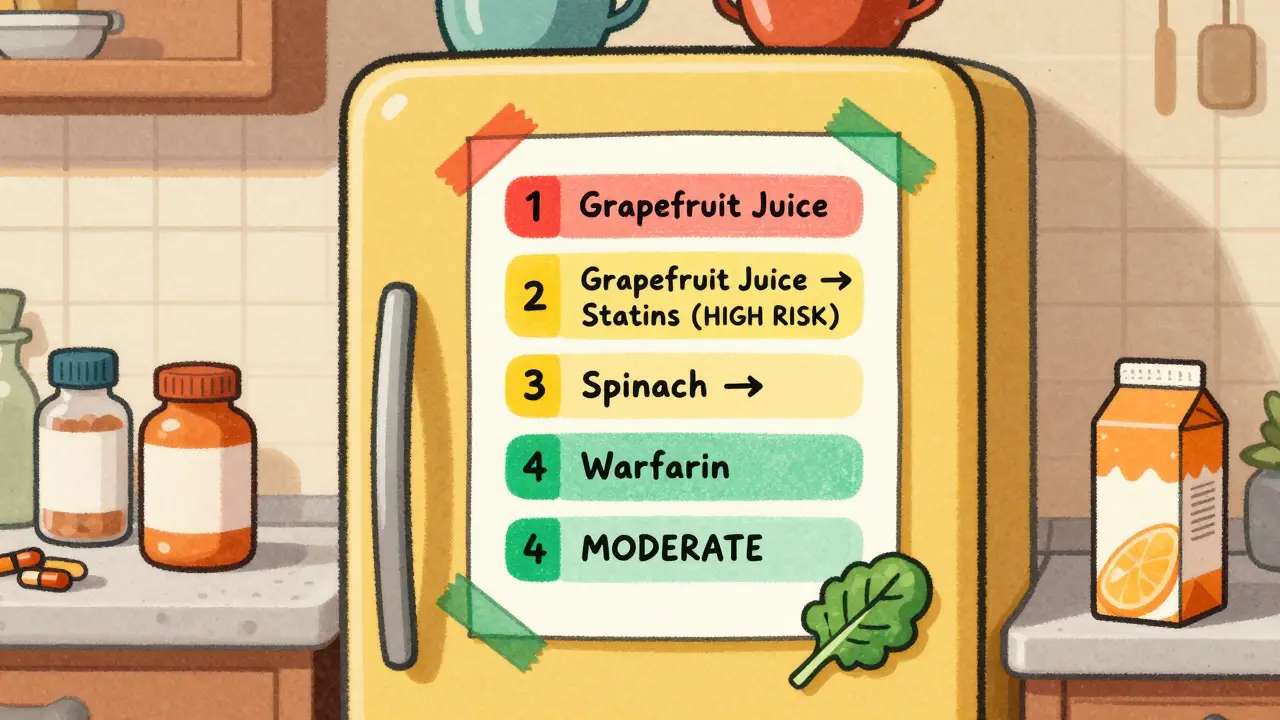
Learn how to create a simple, life-saving food and medication interaction checklist at home. Avoid dangerous reactions with warfarin, statins, antibiotics, and more using trusted sources and a clear, color-coded system.
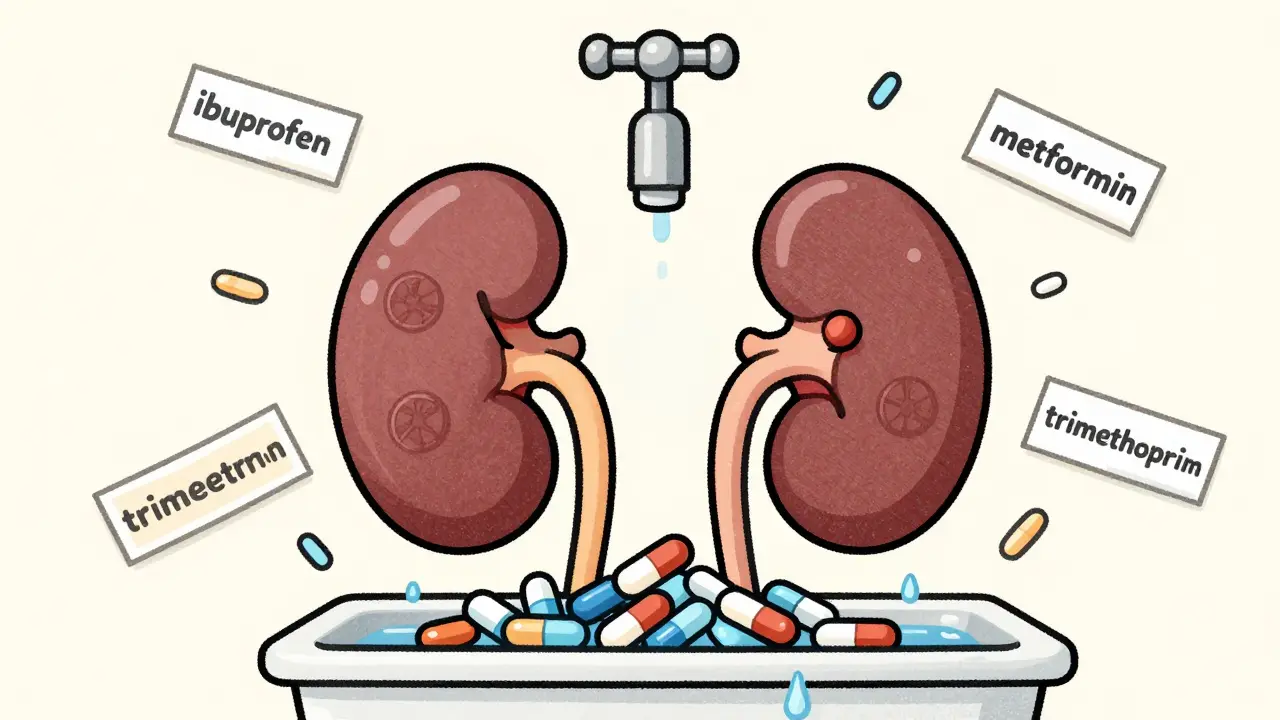
Kidney disease slows drug clearance, causing toxic buildup that can lead to organ failure. Learn which medications are most dangerous, how to spot risks, and what steps to take now to protect your kidneys.
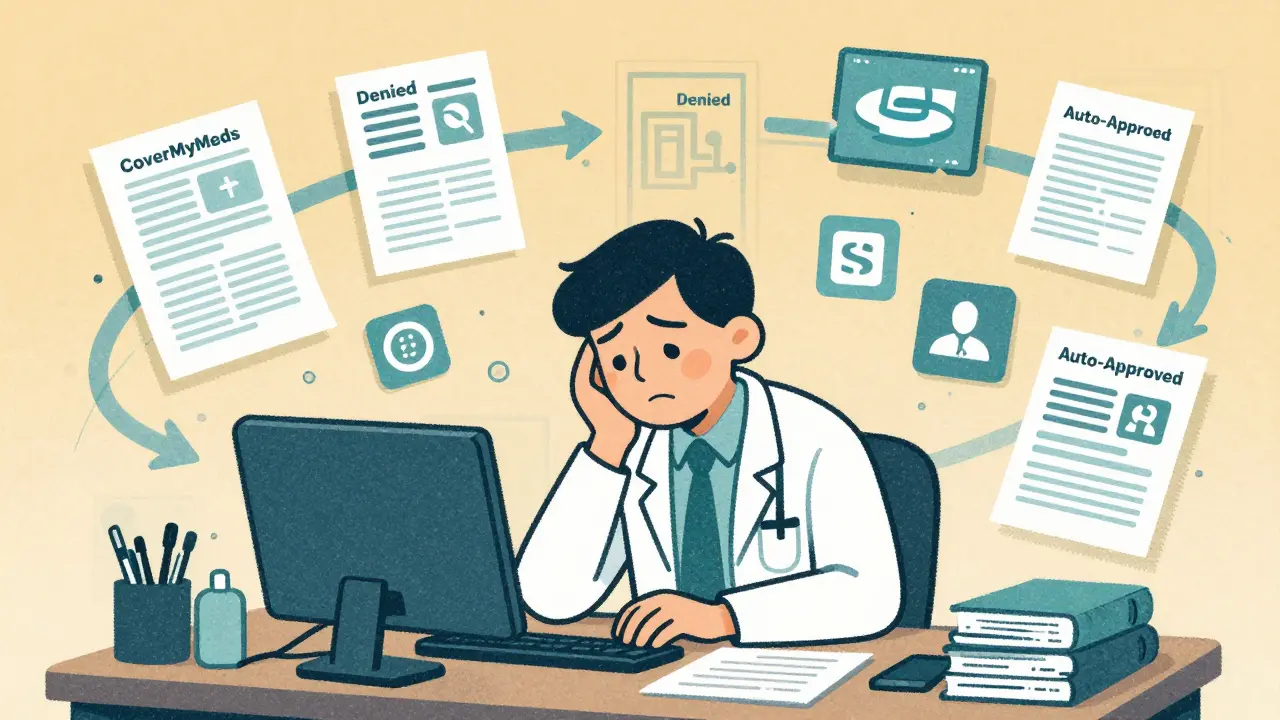
Learn how healthcare providers navigate prior authorization to get generic medications approved by insurers, including documentation requirements, submission methods, approval timelines, and practical strategies to reduce delays and denials.
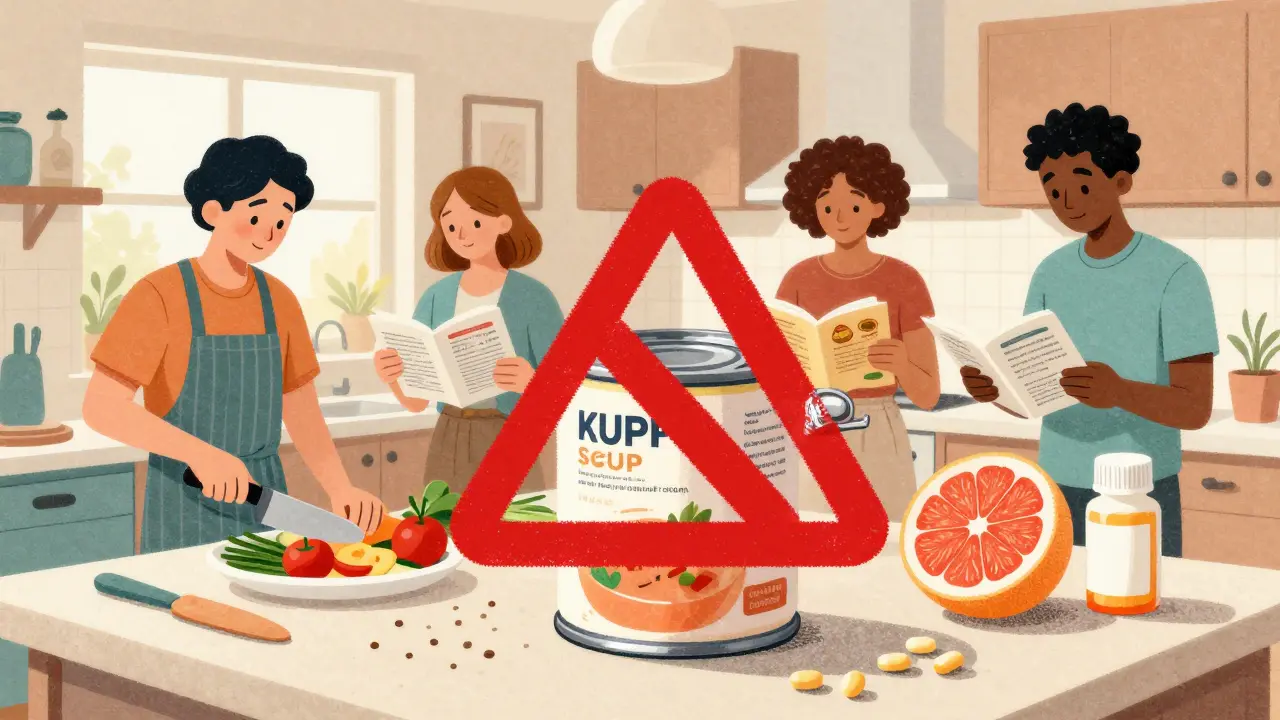
Simple lifestyle changes like walking, eating less salt, and sleeping better can reduce medication risks, lower doses, and sometimes eliminate the need for pills-backed by science and real patient results.
FDA black box warnings are the strongest safety alerts for prescription drugs, signaling life-threatening risks. Learn what they mean, which drugs carry them, and how to stay safe.