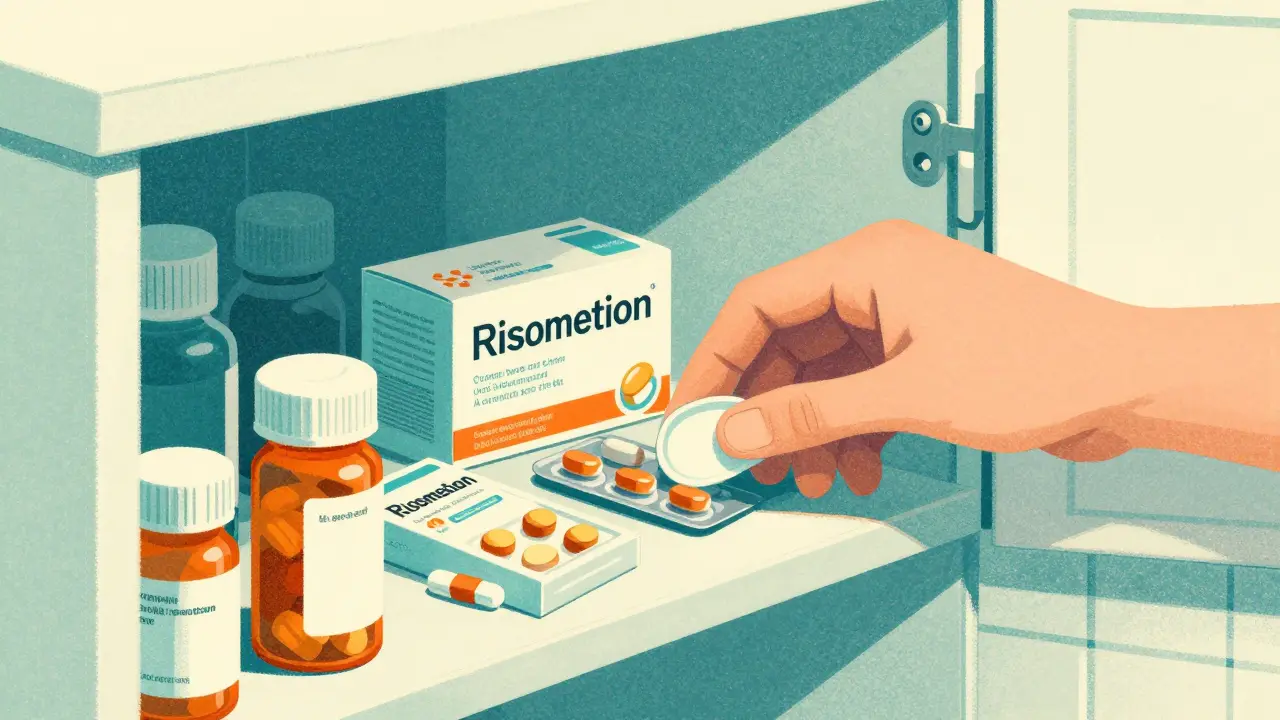
Finding a pile of old prescriptions in your cabinet is a common problem, but getting rid of them is where most people struggle. You probably know that flushing pills down the toilet or tossing them in the trash is a bad idea-it poisons our water and risks having someone else find the drugs. The gold standard for solving this is using prepaid drug mail-back envelopes is a secure, pre-addressed mailing system that allows individuals to anonymously send expired or unwanted medications to DEA-registered facilities for professional destruction. This method removes the guesswork and the commute to a police station or pharmacy, making it one of the safest ways to clear out your medicine cabinet without harming the planet.
Why Mail-Back Envelopes Beat the Trash Can
When you throw medication in the garbage, you're creating a security risk. Kids or pets can find those pills, or "dumpster divers" can steal them for misuse. From an environmental perspective, pharmaceuticals don't just disappear in a landfill; they leach into the soil and eventually hit the groundwater. The FDA (Food and Drug Administration) has explicitly stated that take-back options are the best way to handle unused meds because they ensure the drugs are actually destroyed, not just relocated.
Mail-back services use a process called medical waste incineration. Instead of sitting in a pit, your meds are burned at high temperatures in DEA-registered facilities. Some providers, like American Rx Group, even use waste-to-energy plants, meaning your old blood pressure meds are literally helping create electricity. This is a massive upgrade over the old-school method of flushing, which puts chemicals directly into our aquatic ecosystems.
What You Can and Cannot Mail
Not every item in your bathroom cabinet can go into these envelopes. Most providers follow a strict set of rules to ensure safety during transit. If you put the wrong thing in the mail, you could potentially cause a hazardous materials incident in a postal truck.
Accepted items usually include:
- Prescription medications (tablets, capsules, patches)
- Over-the-counter (OTC) drugs like ibuprofen or cough syrup
- Medications for pets
- Controlled substances (Schedules II through V)
- Small amounts of liquids or lotions (typically limited to 4 ounces per envelope)
Strictly prohibited items:
- Needles or Sharps: These must go in a puncture-resistant sharps container, never a paper envelope.
- Inhalers or aerosols: These can explode under pressure in a plane or truck.
- Illicit drugs or Schedule I controlled substances.
- Commercial pharmaceutical waste from businesses.
| Provider | Best For... | Key Feature | Tracking Ability |
|---|---|---|---|
| Mail Back Meds | Individual homeowners | Flexible pack sizes (3 to 250) | Full portal tracking |
| Stericycle (Seal&Send) | Companies & Clinics | Corporate sustainability reporting | Serial number tracking |
| American Rx Group | Eco-conscious users | Waste-to-energy conversion | Standard confirmation |
| Opioid REMS Program | Opioid-specific disposal | Free via participating pharmacies | Varies by pharmacy |
Step-by-Step: How to Dispose of Your Meds
The process is designed to be foolproof. If you've ever sent a letter through the mail, you already have all the skills you need. Follow these steps to make sure your disposal is legal and secure.
- Get Your Envelope: You can buy these online from commercial providers or check with your local pharmacy. As of March 31, 2025, the Opioid Analgesic REMS Mail-Back Envelope Program provides free envelopes specifically for opioid medications at participating pharmacies.
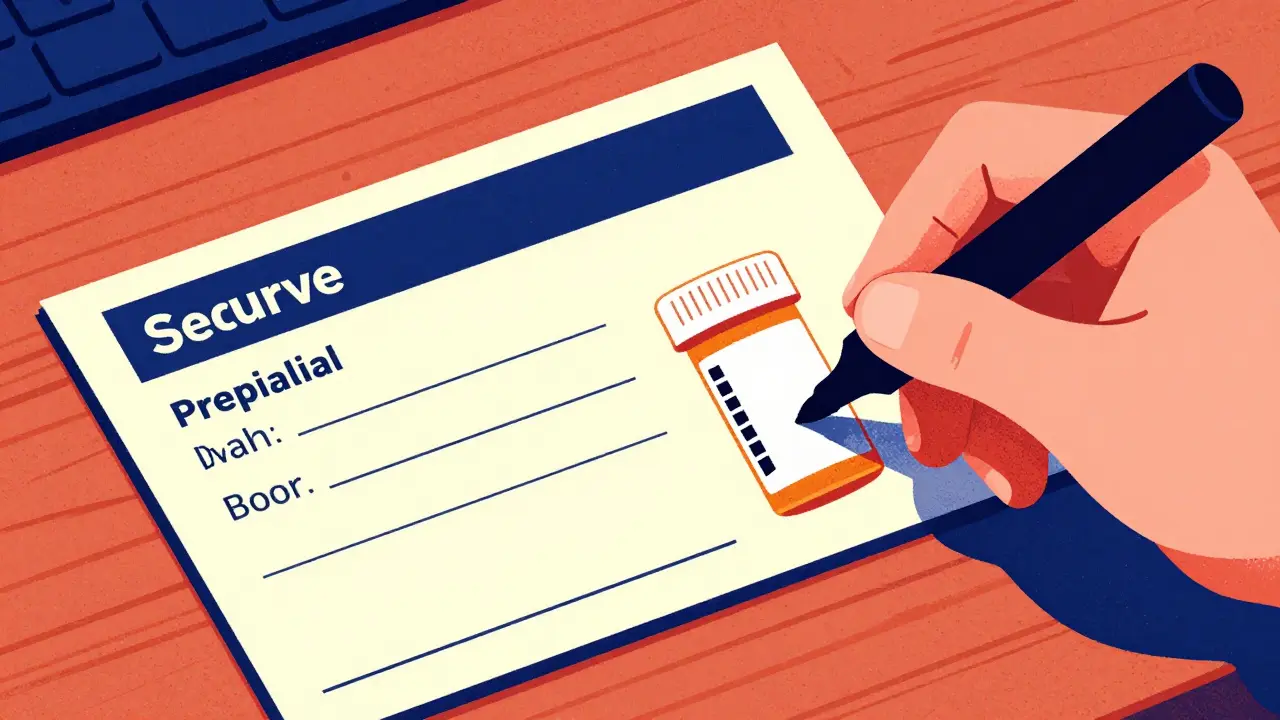
- Prepare Your Meds: This is the most important part for your privacy. Use a permanent marker to scratch out or black out all personal information on the pill bottle labels. This prevents your name, address, and prescription history from being seen by anyone during the shipping process.
- Fill and Seal: Place your medications into the envelope. Be mindful of the weight limit-most envelopes have a maximum capacity of 8 ounces. Once full, use the provided tamper-evident seal or "Keep Safe" tape to close it tightly.
- Mail it via USPS: Take the sealed envelope to any United States Postal Service (USPS) office or drop it in a blue collection box. Warning: Do not take the filled envelope back to your pharmacy or a police station; these envelopes are prepaid for the mail system only.
Avoiding Common Mistakes
Even with a simple system, people still make a few critical errors. First, don't try to "squeeze" too many bottles into one envelope. If the envelope is bulging or the seal is strained, it may rip during transit, leaking medication into the mail stream. If you have more than 8 ounces of waste, simply order a second envelope.
Another mistake is neglecting the liquid limit. If you're mailing a bottle of liquid medication, ensure it's under 4 ounces and tightly capped. Leaking liquids can ruin the adhesive on the envelope, causing it to open. If you have a large bottle of syrup, it's better to split it between two envelopes or find a local physical drop-off site.
What Happens After You Mail the Envelope?
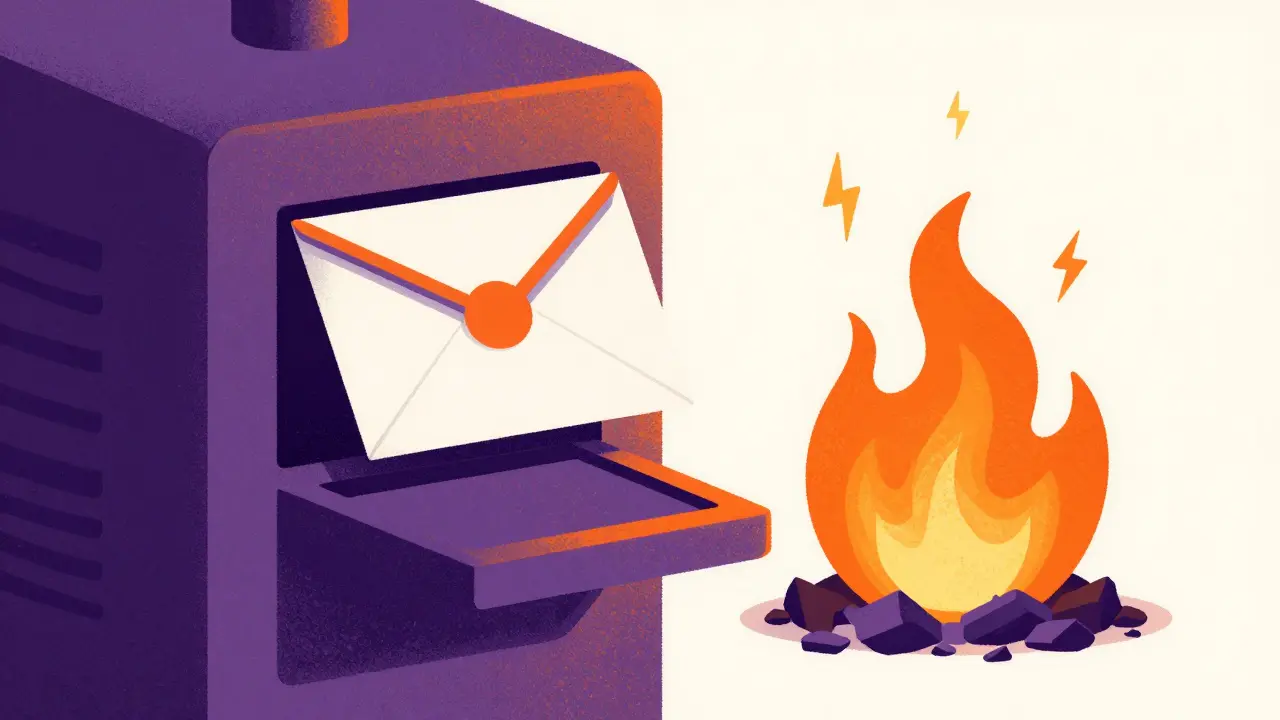
Once your envelope leaves your hand, it enters a highly regulated chain of custody. It travels through the USPS to a secure facility. Because these facilities are DEA-registered, they are audited to ensure that no medications are diverted back into the community.
The medications are then fed into high-temperature incinerators. This doesn't just burn the paper and plastic; it breaks down the chemical compounds of the drugs themselves, rendering them inert. If you used a trackable service like Mail Back Meds, you can log into a portal to see exactly when your package was received and the specific date it was incinerated. This provides peace of mind that your medications didn't end up in a landfill or a river.
Are these envelopes free?
It depends. Some commercial providers sell them in packs (3-packs, 50-packs, etc.). However, some pharmacies and government-funded programs, like the Opioid REMS program launched in 2025, provide them for free to patients. Always ask your pharmacist if they have free disposal envelopes available.
Can I put my old insulin pens or EpiPens in the envelope?
No. Insulin pens, EpiPens, and any other devices with needles are considered "sharps." Because they can puncture the envelope and injure postal workers, they are strictly prohibited. You must use a dedicated sharps disposal container or a specialized sharps mail-back program.
Do I need to take the pills out of their bottles?
You can leave them in the bottles for convenience, but you must black out your personal information on the label. If you have a lot of loose pills and no bottles, you can put them in a clear plastic bag before placing them in the mail-back envelope.
What if I don't live near a USPS office?
Since the envelopes are prepaid and pre-addressed, you can simply place the sealed envelope in your own residential mailbox (if you have USPS pickup) or any official USPS blue collection box located in your neighborhood.
How do I know my meds were actually destroyed?
If you use a premium provider like Mail Back Meds, they provide a tracking portal that shows the receipt date and the incineration date. For basic envelopes, the DEA registration of the receiving facility serves as the legal guarantee that the waste is handled according to federal law.
Next Steps for Your Home Cleanup
If you're tackling a big cleanup, start by sorting your meds into three piles: "Current," "Expired," and "Unsure." For the "Unsure" pile, a quick call to your pharmacist can tell you if a drug is still viable or needs to go. Once you've identified the waste, decide if you have specialized items like inhalers or sharps that require different packaging.
If you have a large volume of medication (over 8 oz), don't try to force it into one envelope. Order a bulk pack or check if your community has a National Prescription Drug Take Back Day coming up, where you can drop off larger quantities at law enforcement agencies for free.