Medications: Clear, Practical Guides on Drugs, Alternatives & Safety

Want straightforward help with medicines without the medical-speak? This category collects easy-to-read guides on common drugs, alternatives, dosages, side effects, and safe buying tips. You’ll find real-world advice you can use when talking with your doctor or when comparing options.

What you'll find here

Short, useful articles that answer real questions: what a drug does, how it’s dosed, common side effects, and when to call your provider. We cover alternatives for popular meds — for example, alternatives to Metformin, Rosuvastatin, and Cialis — and deep dives into inhalers like Symbicort and Ventolin. You’ll also see practical pieces on antibiotics (Flagyl, Zithromax), heart meds (Carvedilol), thyroid options (Synthroid), ADHD meds (Axepta/atomoxetine), fertility treatments, and diabetes drugs like Rybelsus.

Each guide focuses on what matters: active ingredient names, typical doses, common interactions, and what to watch for at home. We point out device differences too — like inhaler types and dose comparisons — because device choice can change how a medicine works for you.

How to use these guides

Start by reading the short overview to get the big picture. If you’re switching drugs or choosing an alternative, compare the active ingredient and the usual dose rather than just brand names. Keep a simple list of your current meds, allergies, and medical conditions to share with your prescriber or pharmacist.

Practical safety tips you’ll find here: check for drug interactions, ask if a generic is available (often cheaper and just as effective), and verify any online pharmacy by looking for a licensed pharmacy seal or registration. For buying meds online, we spell out what to ask for — valid prescription requirements, pharmacy contact info, and payment security — so you don’t end up with counterfeit products.

Examples from our posts: find alternatives to Statins and diuretics, learn about atomoxetine (Axepta) for ADHD, compare carvedilol substitutes for heart failure, or read a family-tested look at prescription savings like GoodRx. We also explain less obvious uses, like prochlorperazine in eating-disorder care, and break down drug action for meds such as tiotropium bromide and chloramphenicol.

When to see a clinician: any new or severe side effect, sudden worsening of symptoms, signs of allergic reaction, or if you’re unsure how a new medicine fits with your other treatments. Use these guides to prepare your questions — what dose, how often, side effects to expect, and follow-up timing.

Want help finding a specific article? Use the site search or scan the list of recent posts at the top of this category. If you prefer, print a short summary for your next appointment — it makes conversations with doctors and pharmacists faster and clearer.
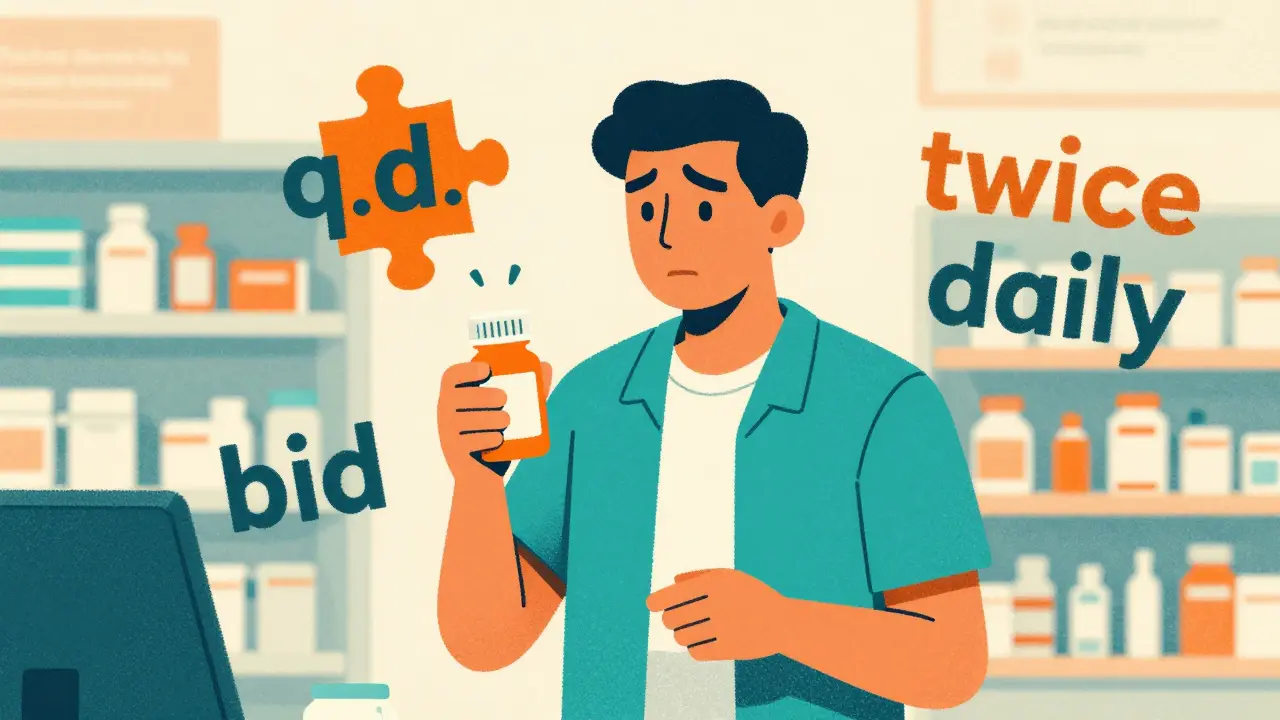

Health Literacy Strategies: How to Understand Medication Labels and Dosing
Medications

Health Literacy Strategies: How to Understand Medication Labels and Dosing

Learn how health literacy strategies, like the Universal Medication Schedule and Teach-Back method, reduce dosing errors and improve medication safety.

View More
Vaccination and Fever Reducers: Timing Children’s Medications
Medications

Vaccination and Fever Reducers: Timing Children’s Medications

Learn the best timing for giving fever reducers after childhood vaccinations to ensure maximum vaccine efficacy and baby comfort.

View More
How to Use Prepaid Drug Mail-Back Envelopes for Safe Medication Disposal
Medications

How to Use Prepaid Drug Mail-Back Envelopes for Safe Medication Disposal

Learn how to safely use prepaid drug mail-back envelopes to dispose of expired medications, protect the environment, and prevent drug misuse.

View More
Anticholinergic Burden in Older Adults: Understanding Cognitive Risk Factors
Medications

Anticholinergic Burden in Older Adults: Understanding Cognitive Risk Factors

Discover how anticholinergic burden affects cognitive health in older adults and learn how to identify risky medications to prevent avoidable memory loss.

View More
How to Overcome Swallowing Difficulties to Keep Taking Medicine
Medications

How to Overcome Swallowing Difficulties to Keep Taking Medicine

Struggling to swallow pills? Learn safe techniques like the lean forward method and discover alternative medication forms to ensure you never miss a dose.

View More
Biosimilar vs Generic Drugs: Which Treatment Option is Right for You?
Medications

Biosimilar vs Generic Drugs: Which Treatment Option is Right for You?

Confused between biosimilars and generics? Learn the critical differences in molecular structure, cost, and safety to choose the best affordable treatment option.

View More
Government Medication Assistance Programs by State: What’s Available in 2026
Medications

Government Medication Assistance Programs by State: What’s Available in 2026

Government medication assistance programs vary by state and can save thousands on prescriptions. Learn how Medicare Extra Help and state SPAPs work in 2026, who qualifies, and what to do now.

View More
How to Simplify Complex Medication Regimens for Older Adults
Medications

How to Simplify Complex Medication Regimens for Older Adults

Simplifying medication regimens for older adults reduces pill burden, improves adherence, and supports independent living. Learn how once-daily dosing, combination pills, and deprescribing can make a real difference-with real-world examples and proven tools.

View More
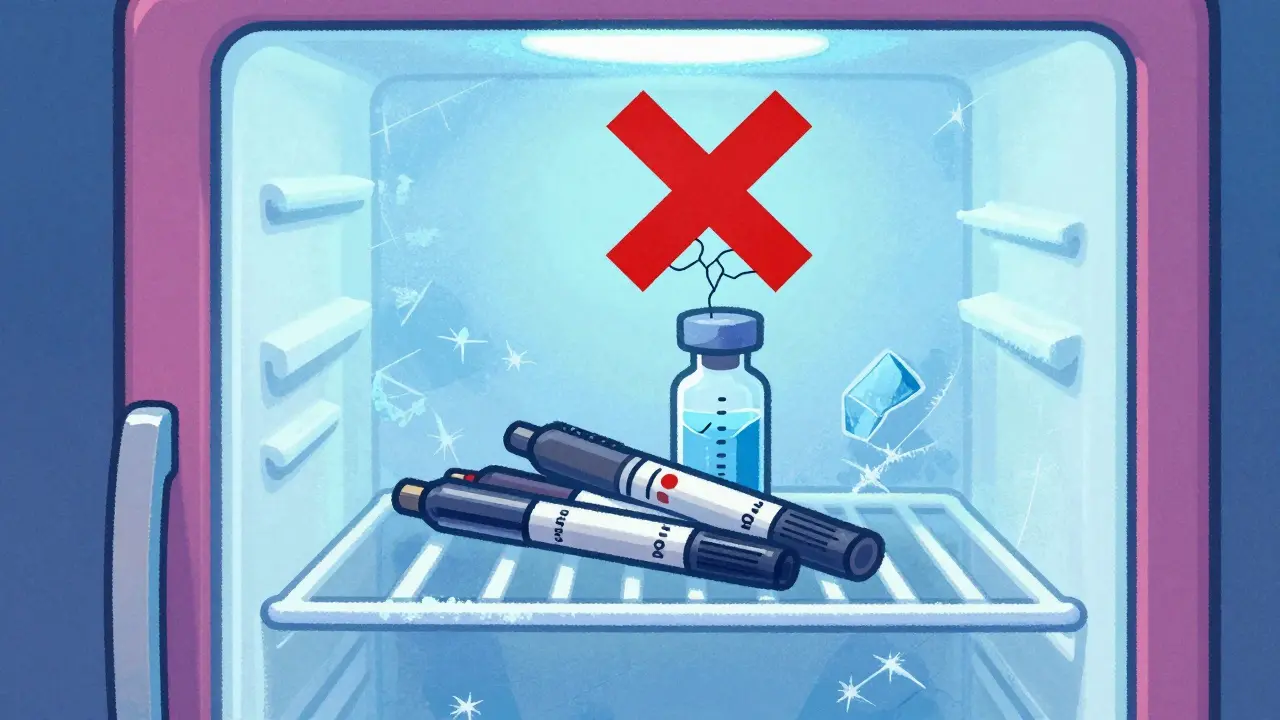
How to Store Insulin Pens, Vials, and Supplies Correctly
Medications

How to Store Insulin Pens, Vials, and Supplies Correctly

Learn how to store insulin pens, vials, and supplies properly to avoid dangerous blood sugar spikes. Follow FDA and ADA guidelines on temperature, shelf life, travel tips, and disposal.

View More
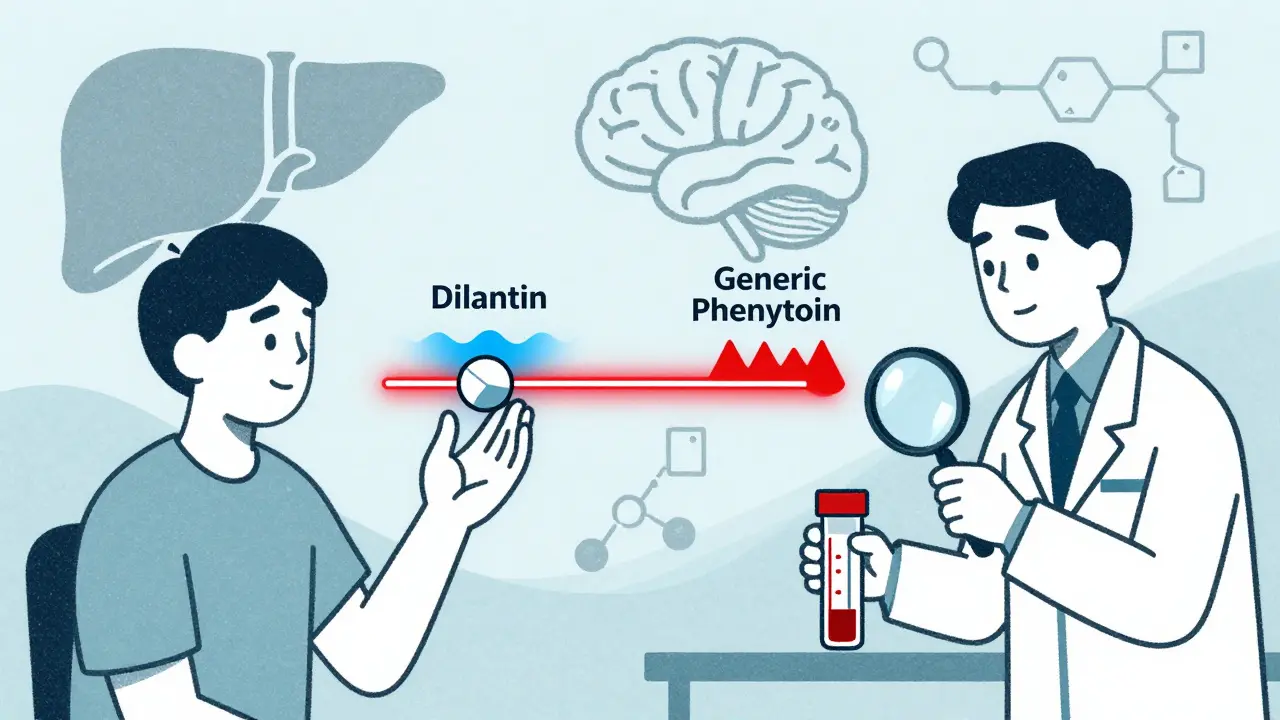
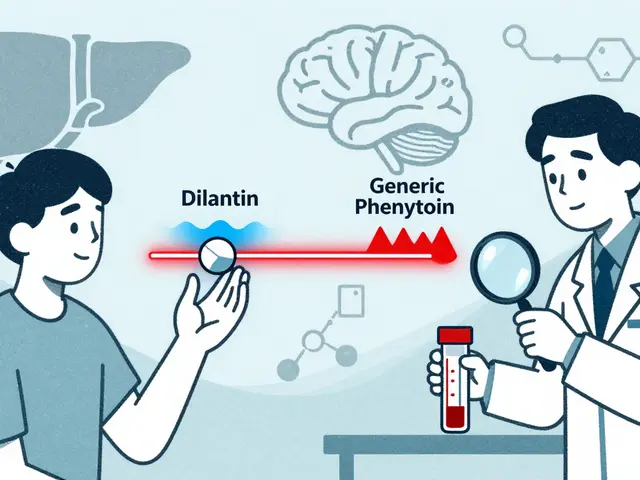
Phenytoin and Generics: What You Need to Know About Therapeutic Drug Monitoring
Medications

Phenytoin and Generics: What You Need to Know About Therapeutic Drug Monitoring

Phenytoin has a narrow therapeutic window and non-linear metabolism, making generic substitutions risky. Therapeutic drug monitoring is essential when switching formulations to prevent toxicity or seizure breakthrough.

View More