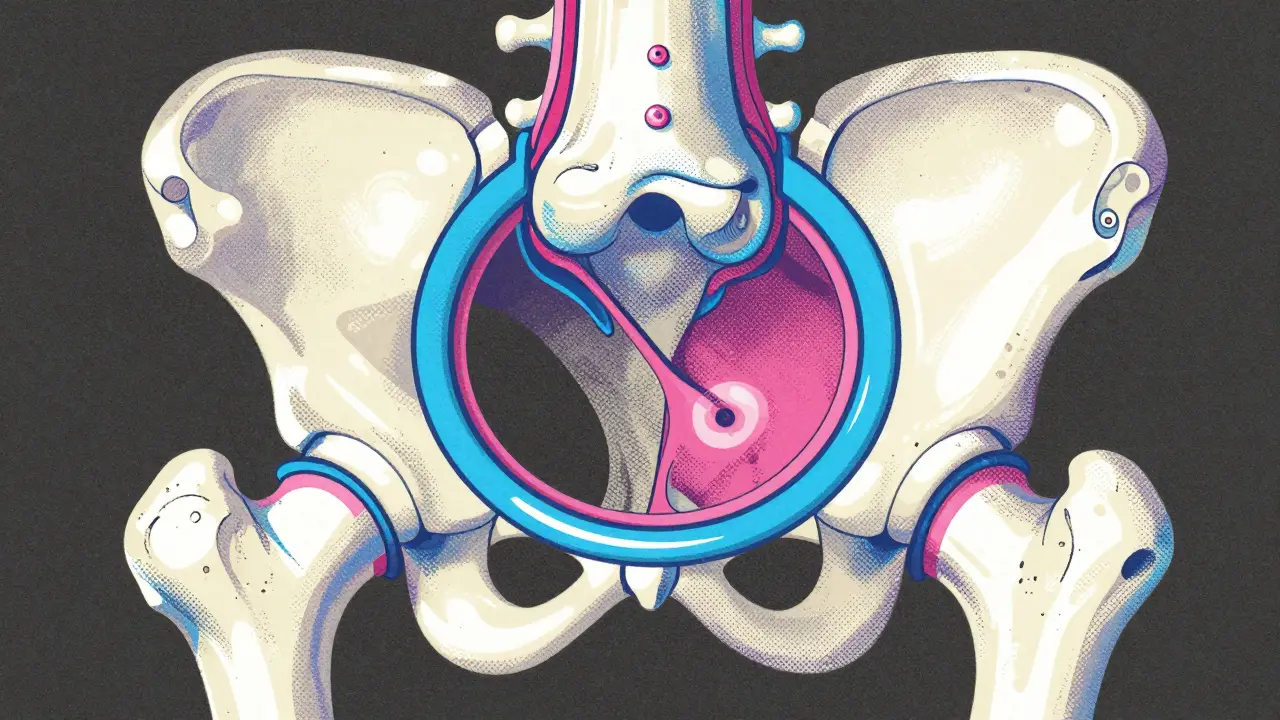
That sharp click or catch when you stand up or twist your leg can feel like a warning sign you can't ignore. For many adults, hip pain isn’t just stiffness; it signals structural changes deep inside the joint that need attention. Recent clinical data suggests that hip labral tears and early-stage osteoarthritis are often connected, affecting roughly 10% of the adult population. Ignoring these signals might lead to faster wear and tear, forcing you toward major surgeries sooner than necessary. The good news is that understanding your specific symptoms opens up targeted ways to modify daily movements and protect your joint health.
The Role of the Labrum and Arthritis Connection
To understand why your hip hurts, you need to know what protects it. The hip joint relies on a fibrocartilaginous structure called the acetabular labrum. Think of this acetabular labrum as the rubber seal on a car tire, maintaining fluid pressure and stability. When this tissue tears, the joint loses its ability to cushion impact effectively. Research from orthopedic literature indicates that a torn labrum can increase contact stress on the articular cartilage by up to 92%. This damage accelerates the progression of hip osteoarthritis, where the protective cushion between bones thins down over time.
These conditions often travel together. You might have heard of femoroacetabular impingement (FAI), a shape issue where extra bone bumps into the socket. Studies show that 64% of cam-type FAI cases involve a labral tear. If left unchecked, this mechanical friction leads to cartilage breakdown. Dr. Brian White from Western Orthopaedics notes that a compromised labral seal reduces synovial fluid retention by 40-60%, essentially starving the cartilage of nutrition. Understanding this relationship helps explain why treating the pain alone won’t fix the underlying mechanical problem.
Recognizing Your Symptoms Early
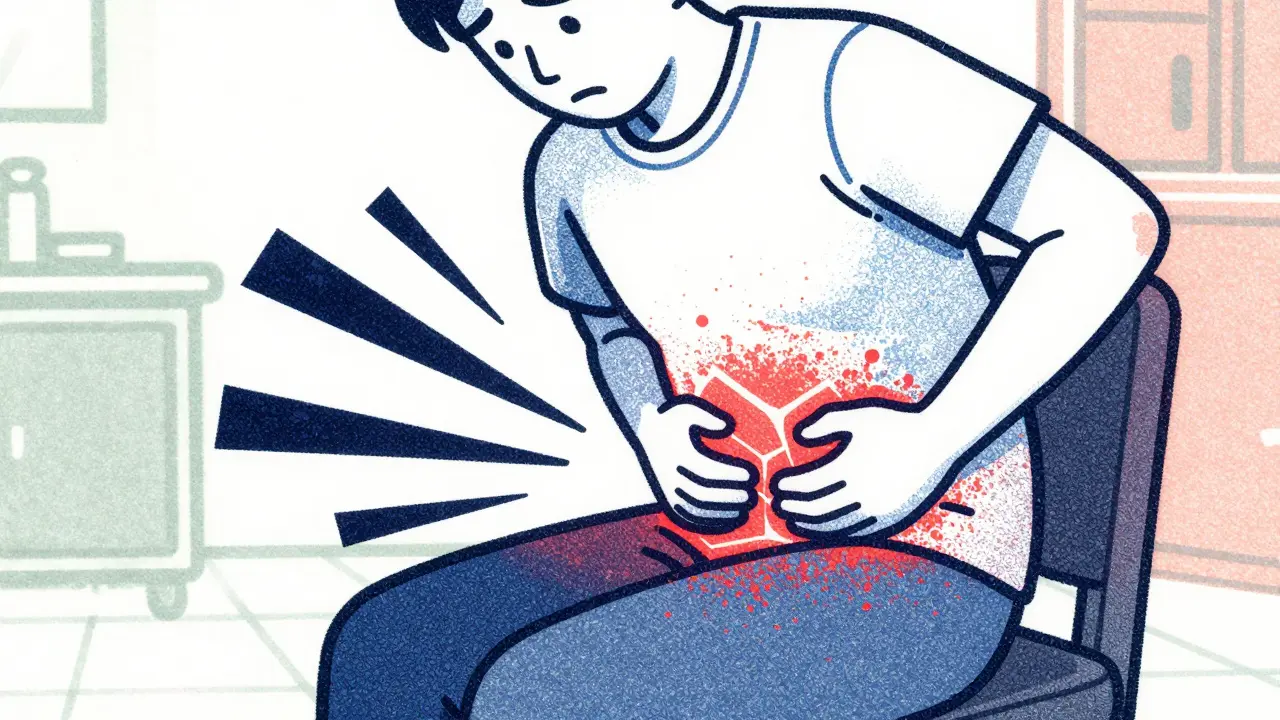
Distinguishing between simple stiffness and a structural tear requires paying attention to specific sensations. A hallmark sign of a labral injury is a mechanical symptom, such as locking, catching, or popping inside the joint during movement. This differs from general muscle soreness. While generalized aches might fade after rest, joint pathology often persists even after a weekend off. Epidemiological studies highlight that women are diagnosed with these tears 2.3 times more frequently than men, particularly between ages 30 and 50. Recognizing that imaging findings don’t always match symptoms is crucial; 38% of asymptomatic individuals over 50 show tears on MRI but have no pain.
- Mechanical Catch: Feeling like something gets stuck in the hip socket.
- Deep Groin Pain: Discomfort felt deeper than muscle strain, radiating sometimes to the thigh.
- Stiffness After Sitting: Difficulty getting up after prolonged periods, especially with hips bent past 90 degrees.
- Nighttime Aggravation: Pain disturbing sleep or waking you up when rolling over.
Treatment Options and Outcomes
Once you identify the issue, you face decisions about how to manage it. Treatment strategies generally split between conservative measures and surgical intervention. Conservative care involves managing inflammation and mechanics without cutting open the joint. Medical professionals often recommend nonsteroidal anti-inflammatory drugs (NSAIDs) combined with physical therapy focusing on hip abductor strengthening. Data from the Hospital for Special Surgery shows that activity modification alone manages symptoms in 40-60% of mild cases.
Surgical options exist for those with structural deformities that exercise cannot correct. Hip arthroscopy allows surgeons to repair or debride the damaged labrum and remove excess bone. Patient satisfaction rates for labral repair hover around 85-92% at five years, significantly higher than debridement alone. However, surgery carries risks and recovery time. Below is a comparison of common approaches based on 2023 outcome data.
| Treatment Type | Success Rate (5 Years) | Typical Recovery Time |
|---|---|---|
| Conservative Management | 40-60% | Immediate (Lifestyle change) |
| Hip Arthroscopy (Repair) | 85-92% | 4-6 months |
| Corticosteroid Injections | Temporary relief (3.2 months avg) | Variable |
| Total Hip Arthroplasty | 90%+ for severe OA | 3-6 months |
While surgery offers structural correction, experts like Dr. Thomas P. Vail caution that labral pathology shouldn't be the sole driver for surgery in older patients over 60. At that age, global cartilage loss from established osteoarthritis often dictates the long-term outcome regardless of whether the labrum is fixed. Choosing the right path depends heavily on your age, activity level, and the severity of cartilage damage seen on quantitative MRI scans.
Activity Modification Strategies
If you choose to delay surgery or recover post-op, changing how you move is non-negotiable. This isn't just about doing less; it's about moving smarter. The Cleveland Clinic's 2023 protocol outlines specific parameters for protecting the joint while maintaining strength. You need to limit hip flexion to less than 90 degrees, avoiding positions that pinch the front of the hip. Combining flexion with internal rotation beyond 30 degrees creates the highest risk of impingement.
Real-world application requires modifying your environment. Simple adjustments yield significant benefits for pain management:
- Driving Adjustments: Place a wedge cushion in your car seat to decrease hip flexion by 10-15 degrees.
- Toilet Seats: Install a raised toilet seat to reduce the angle of hip bend when sitting down.
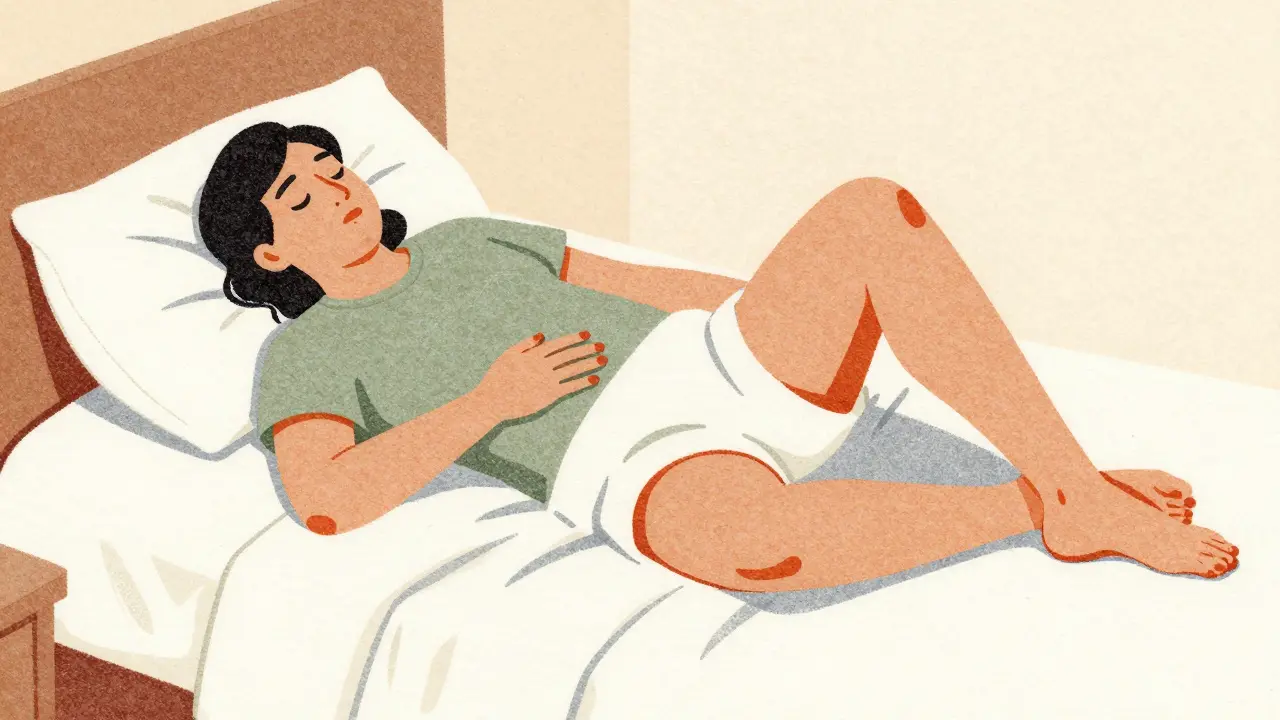
- Sleeping Position: Use a pillow between your knees to prevent twisting and maintain alignment.
Patient surveys reveal that 92% of athletes modified their routines successfully by eliminating deep squats and lunges initially. Replacing running with swimming or elliptical training maintains cardiovascular health without loading the joint excessively. Documentation from the Arthritis Foundation indicates that 62% of users reported improvement using these specific modifications. The key is identifying your "pain provocation positions"-usually specific angles of movement-and removing them from your daily routine before they trigger flare-ups.
Navigating the Road Ahead
Managing hip pain is a long-term commitment involving both medical oversight and personal vigilance. As technology advances, tools like wearable sensors can now provide real-time feedback on your hip positioning. A pilot study demonstrated that monitoring hip mechanics reduced pain episodes by 52% over three months. You also have newer medication options, such as extended-duration viscosupplements approved recently, though these typically offer modest improvement compared to structural fixes.
Most importantly, avoid the trap of total inactivity. Deconditioning weakens the muscles surrounding the joint, shifting more load onto the bones. Aim for “movement quality over quantity” as advised in the latest rehabilitation guidelines. By balancing rest, targeted strengthening, and smart modifications, many patients can delay or even avoid invasive procedures for years. Listen to your body, track what works, and consult specialists who prioritize preserving your natural anatomy.
Can a labral tear heal on its own?
The fibrocartilage has poor blood supply, so complete healing is rare. However, symptoms often improve with activity modification and physical therapy, making the injury manageable without repair.
Is hip arthroscopy better than physical therapy?
For structural issues like FAI, arthroscopy has higher satisfaction rates (85-92%). For minor cases without bony abnormalities, physical therapy and activity modification are effective and cost far less ($1,200-$2,500 annually vs $25,000 for surgery).
What exercises should I avoid with hip pain?
Avoid deep squats, lunges, sit-to-stands, and activities requiring hip flexion beyond 90 degrees. Running and cross-legged sitting often aggravate anterior labral tears.
Does cortisone help with arthritis?
It provides temporary relief averaging 3.2 months. However, repeated injections carry a 12% risk of cartilage damage, so limits are placed on frequency (usually 3 per year max).
When should I consider hip replacement?
Replacement is usually considered for Kellgren-Lawrence Grade 3-4 osteoarthritis or when conservative measures fail for over 6 months. Age over 60 with advanced joint space narrowing is a strong indicator.
angel sharma
April 3, 2026 AT 02:15
You really need to focus on the movement quality aspect because that is where most people fail completely. I have seen so many individuals give up too soon when they feel the initial sharpness during recovery exercises. The body adapts much faster than you think when you stay consistent with your daily modifications. People often forget that resting means staying still which can actually weaken the muscles further. We need to push through the discomfort slightly while avoiding the actual injury thresholds mentioned here. Swimming provides such an amazing environment for keeping strength without pounding on the joint surfaces. It feels like cheating when you realize water supports you against gravity so well during rehab work. Everyone wants a quick fix but the data shows activity modification is the real hero here for longevity. You should try elevating your car seat even if it looks silly at first glance. Sleeping with pillows between knees sounds uncomfortable until you wake up pain free. Consistency wins every single time against the slow decay of cartilage in older hips. Never ignore the mechanical symptoms because they tell you exactly what positions hurt specifically. Small changes add up over months instead of needing drastic surgical intervention later on. Listen to your own body feedback loop more than what generic advice says about timelines. This path requires patience but leads to better outcomes than rushing into anesthesia risks.
Beth LeCours
April 4, 2026 AT 05:02
Just skip surgery if you can help it honestly.
Will Baker
April 4, 2026 AT 14:21
That is basically telling everyone to suffer through chronic damage without any structural correction. Most people do not understand how permanent that cartilage loss can become without medical help. Your advice ignores the reality that some mechanics just cannot be fixed by sitting still longer. Optimism is great but sometimes bone grinding on bone requires steel plates and repairs.
Sakshi Mahant
April 6, 2026 AT 01:55
Small structural issues often lead to bigger problems down the road for most people. Many of us overlook the connection between the seal function and fluid retention within the joint. I think the part about driving adjustments is something we can implement immediately today. Family members often notice these stiffness symptoms before we admit there is pain involved. Prevention seems far better than waiting for the locking sensation to happen repeatedly.
Divine Manna
April 6, 2026 AT 11:41
While your sentiment is noble you are missing the physiological nuance regarding synovial fluid dynamics completely. The acetabular labrum does not merely hold pressure but dictates loading vectors across the femoral head surface. Ignoring the mechanical etiology results in accelerated degenerative cascades regardless of comfort levels. Surgical intervention remains the gold standard for impingement correction in younger demographics specifically. Physical therapy fails when bony architecture prevents normal range of motion entirely. One must distinguish between inflammatory pain versus structural instability at the earliest presentation phase. Your reliance on lifestyle modifications assumes no underlying morphological deformity exists initially. Quantitative MRI data provides necessary evidence before committing to non-invasive strategies exclusively.
Joey Petelle
April 6, 2026 AT 11:53
The average person does not have the resources to afford high end arthroscopy procedures anyway. Real healing comes from grit and ignoring the minor annoyances until they force hospital admission. These fancy protocols cater to people who care more about statistics than survival instincts. Wealth determines outcome quality regardless of what the medical journals publish about success rates.
Rob Newton
April 7, 2026 AT 19:22
Ignoring pain signals never results in improved joint health metrics statistically speaking. You sound like someone who would walk on glass just to prove a point.
Joseph Rutakangwa
April 8, 2026 AT 02:35
Great points about mechanics though early detection matters most always. Simple movements prevent complex surgeries later in life generally. Keep advocating for conservative care first options please.