Learn the best timing for giving fever reducers after childhood vaccinations to ensure maximum vaccine efficacy and baby comfort.
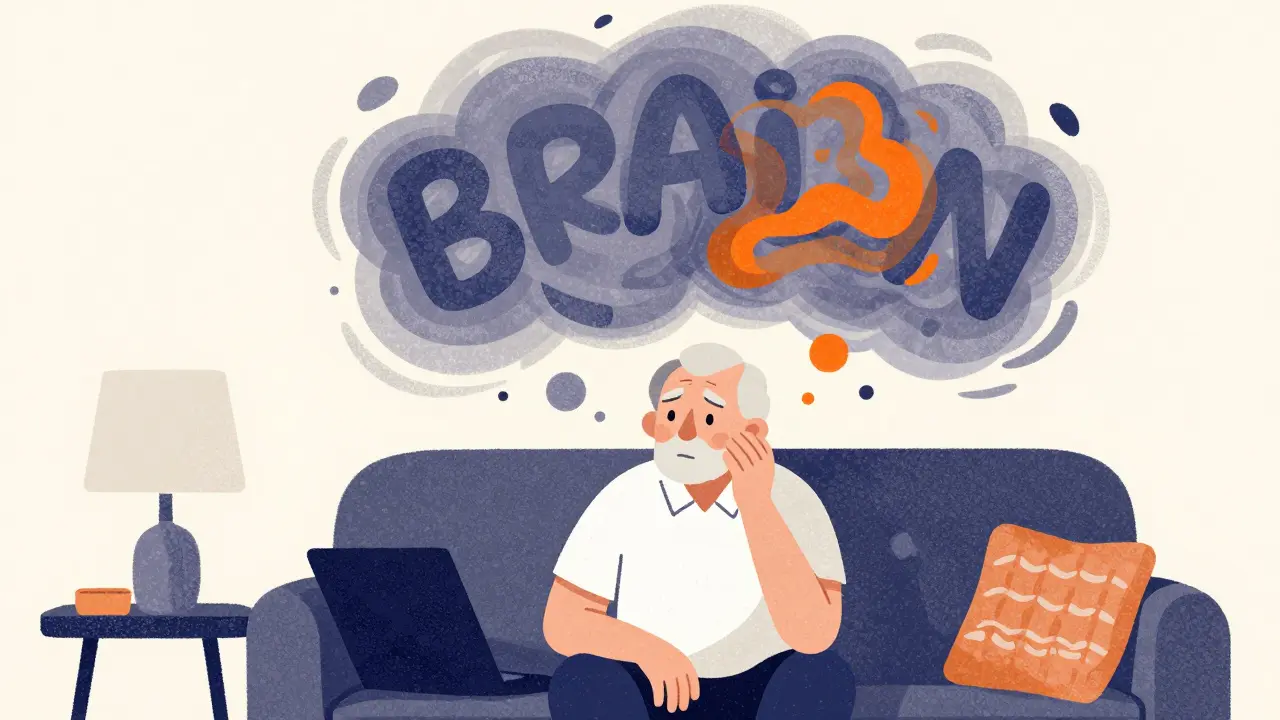
Discover how anticholinergic burden affects cognitive health in older adults and learn how to identify risky medications to prevent avoidable memory loss.

Learn what sarcopenia is, how it affects muscle mass after age 40, and the science-backed strength training protocols needed to prevent loss and maintain independence.

Discover how to safely manage night shift work with sedating medications and alertness boosters. Learn about drug timing, risks, and creating a personal safety plan to avoid accidents.

Government medication assistance programs vary by state and can save thousands on prescriptions. Learn how Medicare Extra Help and state SPAPs work in 2026, who qualifies, and what to do now.

Simplifying medication regimens for older adults reduces pill burden, improves adherence, and supports independent living. Learn how once-daily dosing, combination pills, and deprescribing can make a real difference-with real-world examples and proven tools.

TNF inhibitors help control autoimmune diseases but raise questions about cancer risk. This article breaks down the real data, compares drug safety, and gives clear steps for patients concerned about skin cancer and long-term use.

Text message reminders can significantly improve medication adherence when personalized, timed correctly, and integrated with clinical care. Learn how to set them up effectively-and what to avoid.

Knowing what to ask your doctor before starting a new medication can prevent side effects, improve adherence, and save your health. Here are the essential questions backed by research and real patient experiences.

Opioid agreements and PDMPs are essential tools for safe pain management. Learn how they work together to prevent overdose, reduce misuse, and protect patients on long-term opioid therapy.