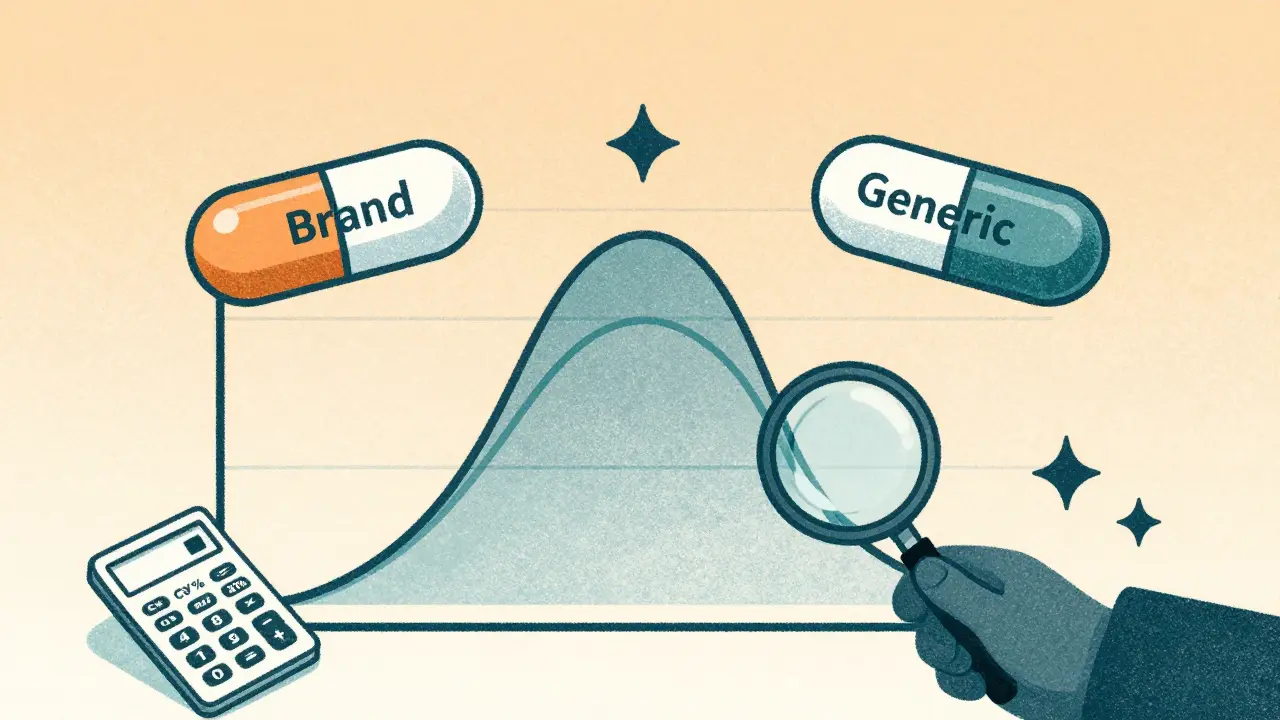
Power and sample size are critical in bioequivalence studies. Get them wrong, and your generic drug won’t get approved. Learn how variability, equivalence limits, and study design shape your sample size-and how to avoid common pitfalls.
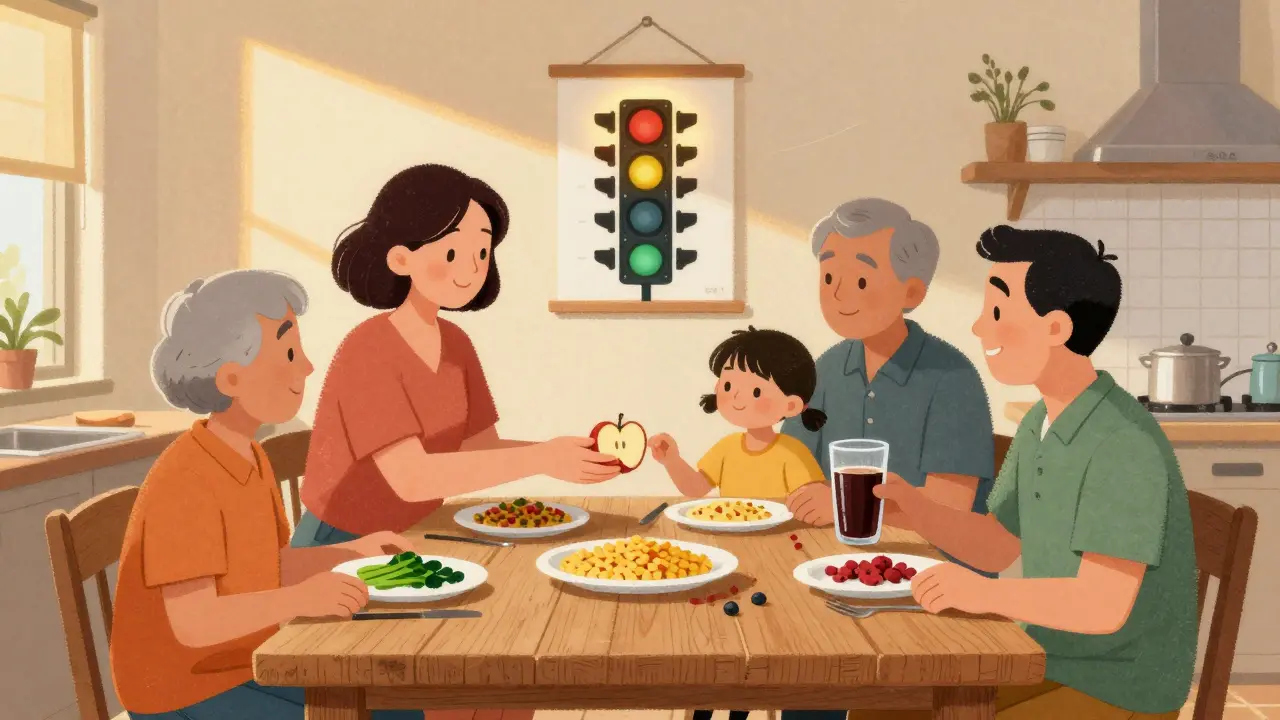
Childhood obesity is best treated through family-based behavioral strategies that change home habits, not just the child's diet. Evidence shows this approach works better than any other, with lasting results for kids and parents alike.
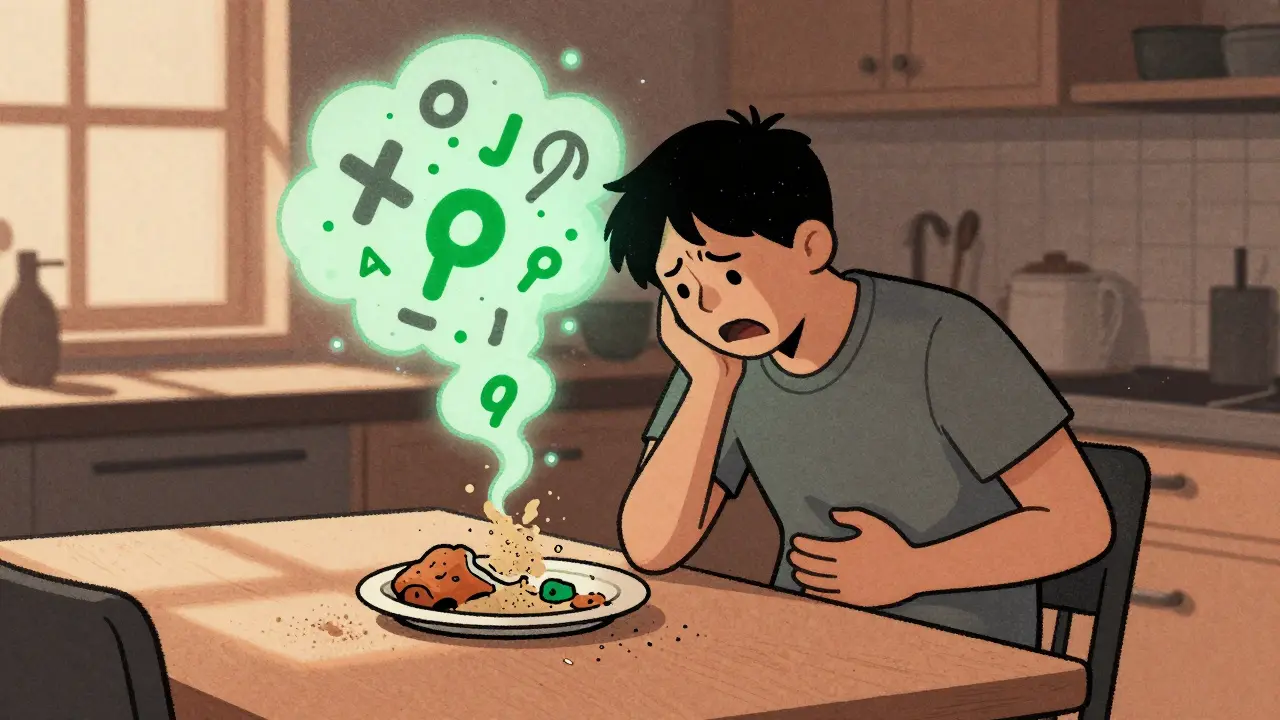
Uremic symptoms like nausea and itching signal advanced kidney failure. Learn when dialysis is truly needed-not based on numbers alone, but on how you feel.
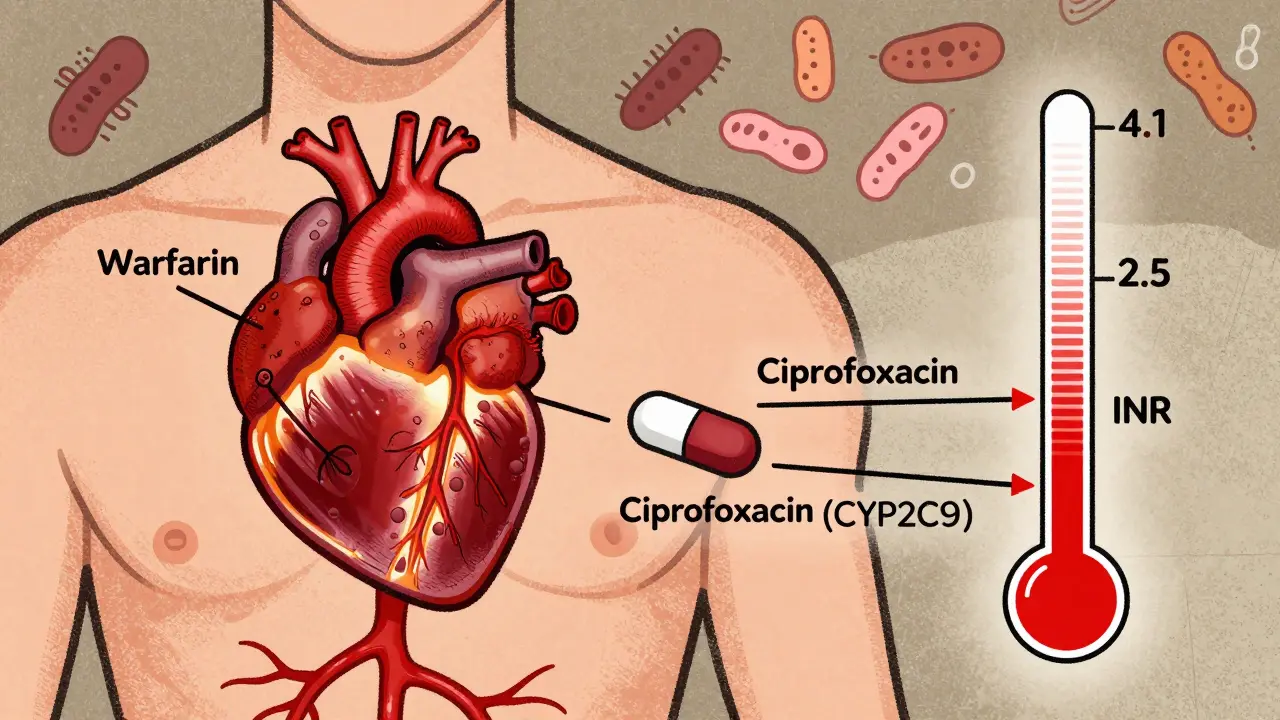
Antibiotics can dangerously raise INR levels in warfarin users, leading to life-threatening bleeding. Learn which antibiotics pose the highest risk, how to monitor your INR, and what steps to take to prevent serious complications.
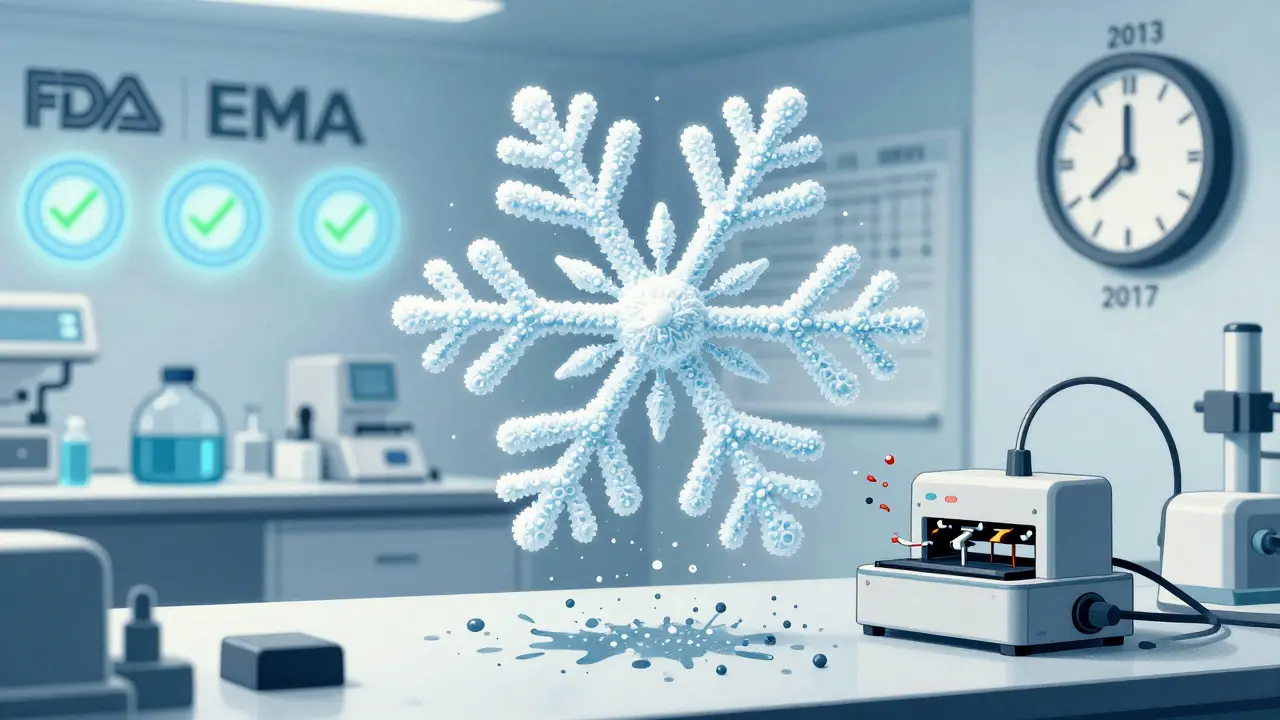
Monoclonal antibody biosimilars offer proven, cost-effective alternatives to expensive biologic drugs like Herceptin and Rituxan. With multiple approved examples and growing clinical use, they're changing cancer and autoimmune care without sacrificing safety.
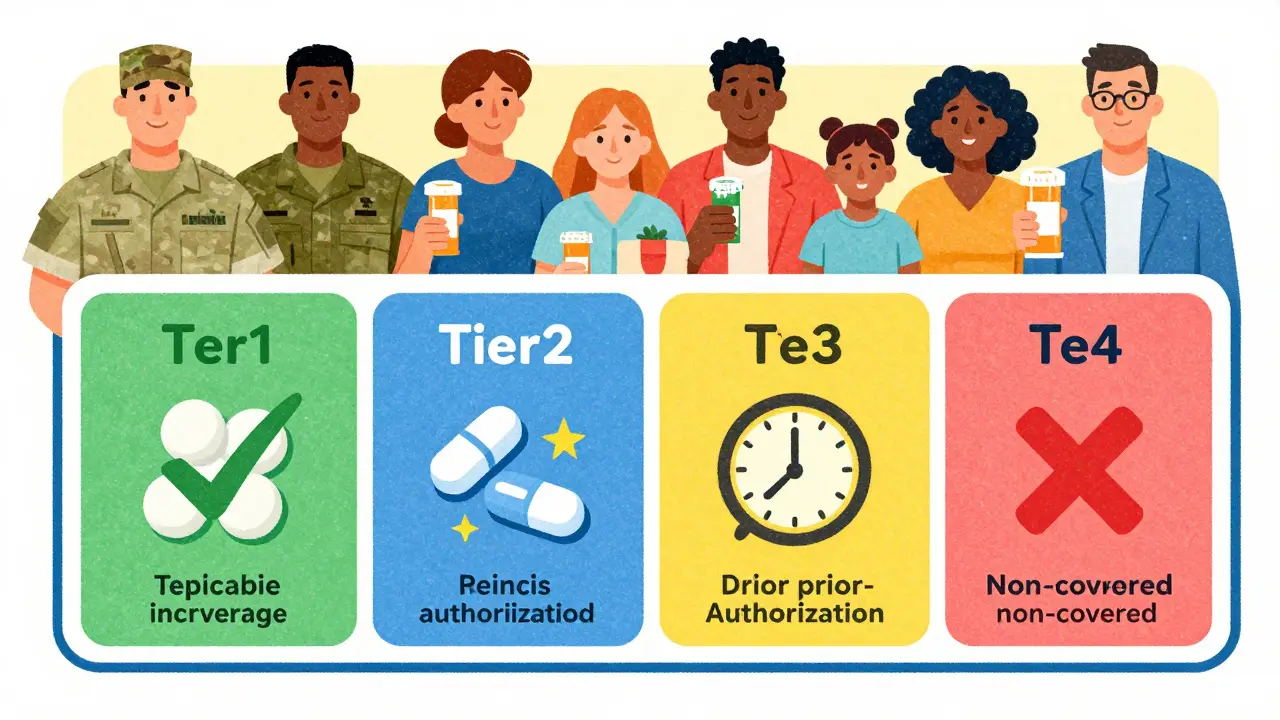
TRICARE covers over 5,500 generic and brand-name drugs. Learn how to check formulary status, compare copays for military pharmacies, home delivery, and retail options, and navigate prior authorizations. Updated for 2026 with latest copay changes.
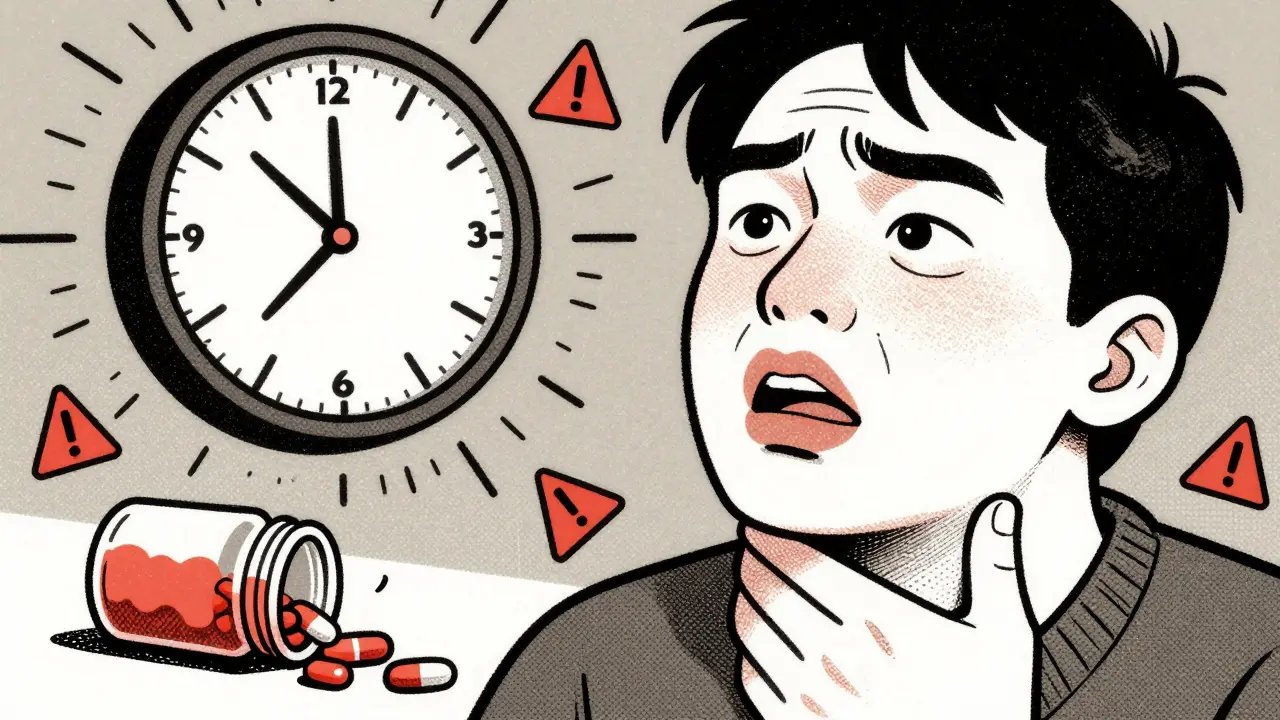
Learn the early warning signs of dangerous medication side effects that could be life-threatening. Know when to act fast, what symptoms to watch for, and how to protect yourself from serious drug reactions.
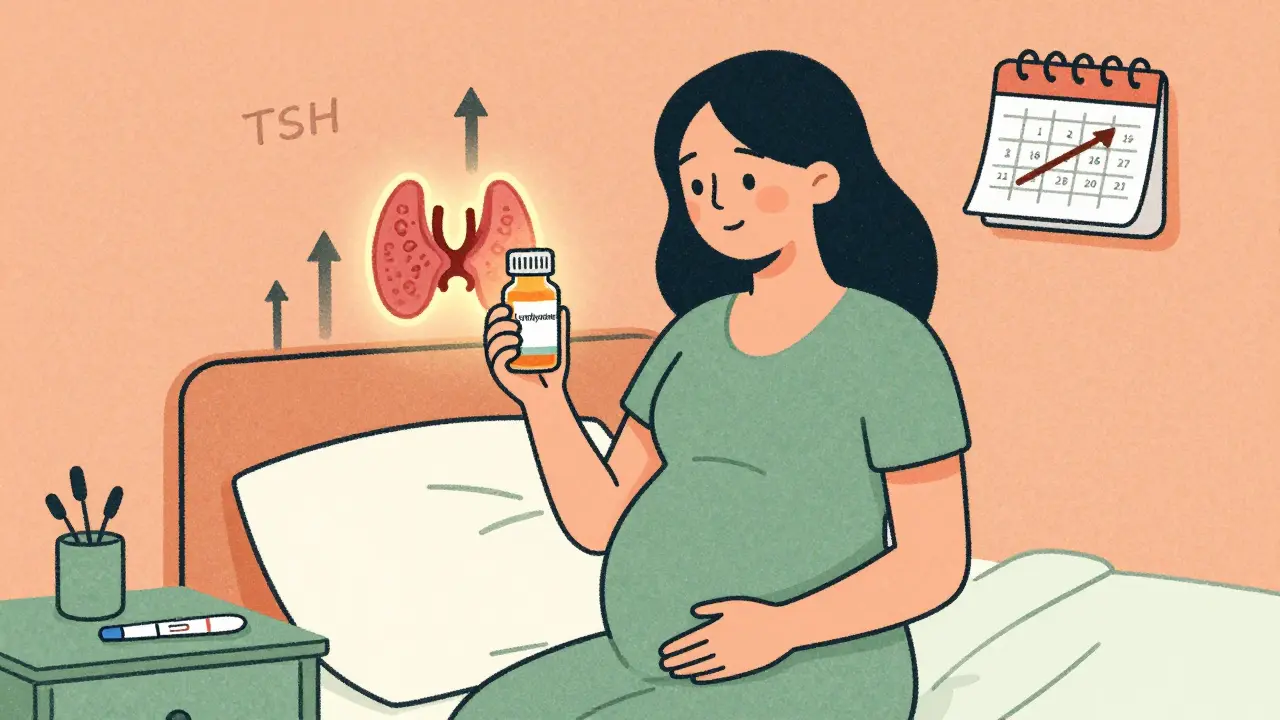
Proper thyroid medication management during pregnancy is critical for fetal brain development. Levothyroxine doses typically need a 20-30% increase soon after conception, with TSH monitored every 4 weeks to stay below 2.5 mIU/L. Delayed adjustments raise miscarriage and developmental risks.
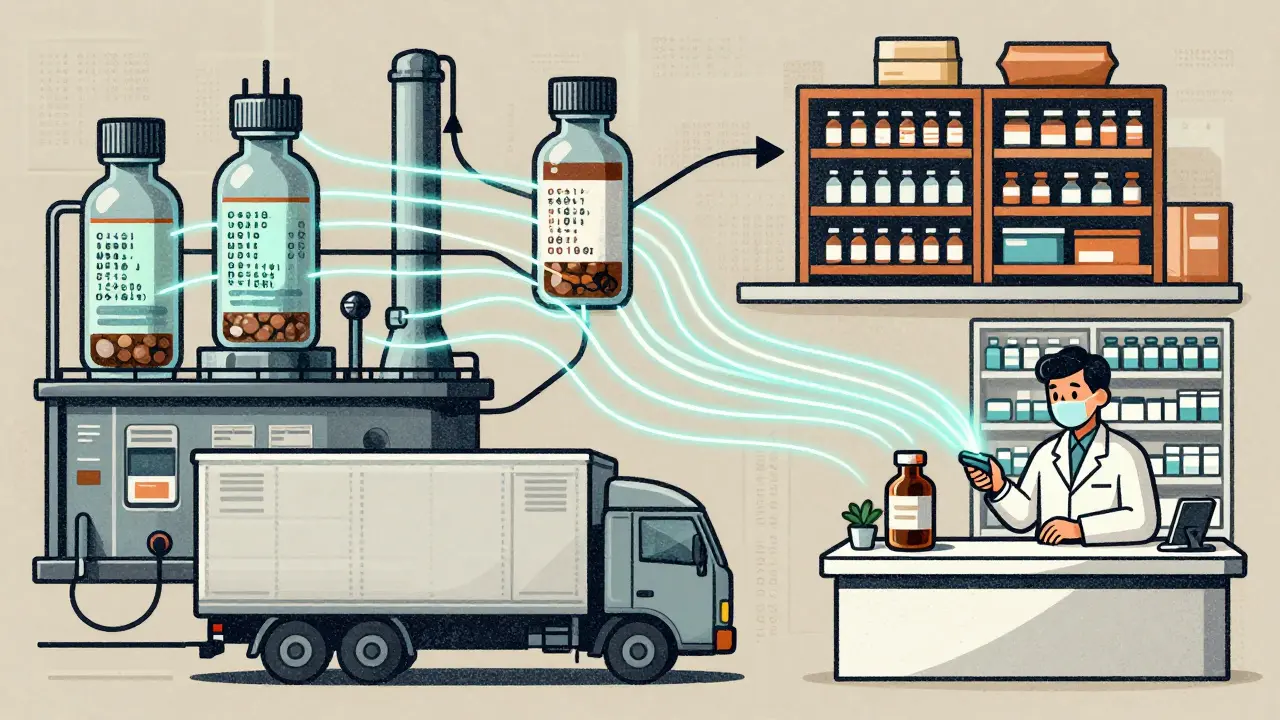
The DSCSA track-and-trace system is the U.S. government's solution to stop counterfeit drugs by requiring every prescription package to have a unique digital identifier. By 2024, all manufacturers, wholesalers, and pharmacies must verify drugs electronically to ensure safety.
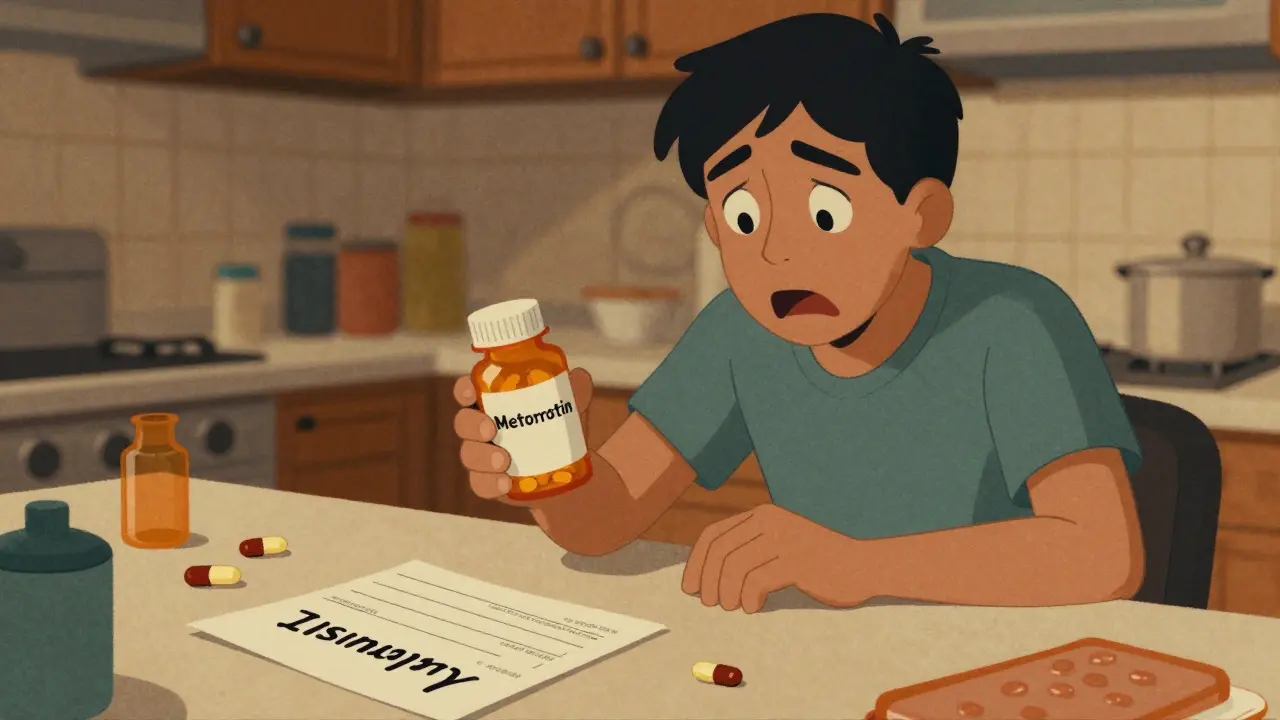
If you receive the wrong medication from the pharmacy, act fast. Stop taking it, call your doctor, preserve evidence, and report the error. These steps can prevent harm and protect your legal rights.