Medication Side Effect Checker
This tool helps you determine if your symptoms could indicate a dangerous medication side effect that requires immediate medical attention. Based on FDA guidelines and the latest medical research, it identifies critical warning signs that shouldn't be ignored.
Check Your Symptoms
Select any symptoms you're experiencing after taking a new or existing medication:
When you take a new medication, you’re trusting it to help you feel better. But sometimes, what’s meant to heal can hurt - badly. The difference between a mild side effect and a life-threatening reaction often comes down to one thing: timing and awareness. Most people know that nausea or drowsiness might come with a prescription. But what you might not realize is that some symptoms - even if they seem small - could be the first warning of something far more dangerous.
What Makes a Side Effect Dangerous?
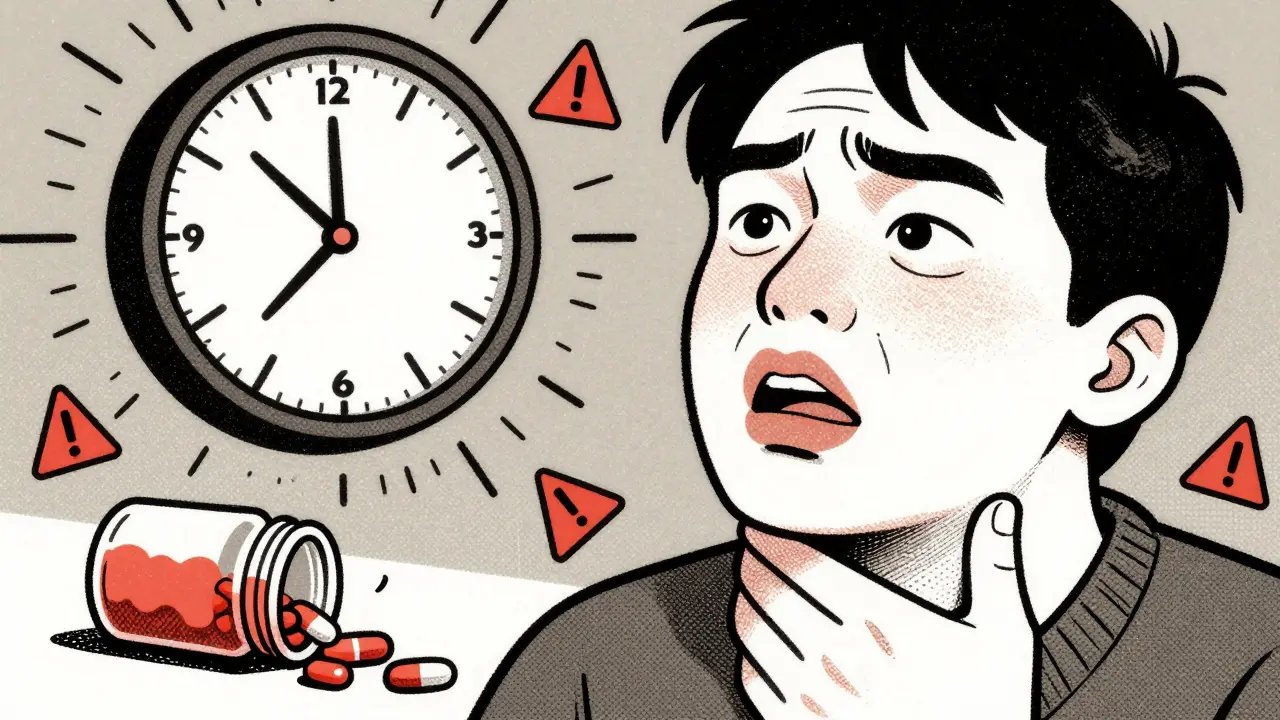
Not all side effects are created equal. The U.S. Food and Drug Administration defines a serious side effect as one that causes death, hospitalization, disability, permanent damage, or birth defects. These aren’t rare outliers. In 2022 alone, adverse drug reactions sent over 1.3 million people to the emergency room and contributed to roughly 128,000 deaths in the U.S. That’s more than traffic accidents or opioid overdoses in some years. The real danger isn’t just the reaction itself - it’s how fast it can escalate. A rash that shows up a day after taking a pill might be harmless. But if that same rash appears within an hour, along with swelling or trouble breathing, it could be anaphylaxis - a reaction that can kill in minutes.Red Flags That Demand Immediate Action
There are a few symptoms that should never be ignored. If you experience any of these after taking medication, call 911 or go to the nearest emergency room right away:- Difficulty breathing - feeling like your throat is closing, wheezing, or gasping for air
- Swelling of the face, lips, tongue, or throat - even if it’s mild at first, it can worsen quickly
- Hives or a sudden rash - especially if it spreads fast or is accompanied by itching or burning
- Chest pain or pressure - not just discomfort, but a crushing, squeezing sensation
- Heart rate over 120 beats per minute - racing, fluttering, or pounding without exercise or stress
- Seizures or convulsions - even a single brief episode
- Unusual bleeding or bruising - nosebleeds you can’t stop, blood in urine or stool, or bruises appearing without injury
- Severe vomiting or diarrhea with blood - not just upset stomach, but vomiting that won’t stop or stool that looks black or bloody
- Extreme drowsiness or confusion - you can’t stay awake, can’t answer simple questions, or feel like you’re in a fog
- Yellowing of skin or eyes - this isn’t just fatigue; it’s jaundice, which can signal liver failure
- Little or no urine output - especially if you’re also swollen, tired, or confused
These aren’t "maybe" signs. They’re red lights. And they don’t wait. Anaphylaxis can progress from mild itching to cardiac arrest in under 30 minutes. Liver damage from certain diabetes or weight-loss drugs can turn fatal within 24 to 48 hours if missed. Delaying care isn’t just risky - it’s often fatal.
Less Obvious but Just as Deadly Reactions
Some dangerous side effects don’t scream for attention. They whisper. And by the time they shout, it’s too late. Take drug-induced anemia. You might feel more tired than usual, or get short of breath climbing stairs. It’s easy to blame stress or lack of sleep. But if you’re on antibiotics, anti-seizure meds, or certain cancer drugs, this could be your body losing red blood cells. Left unchecked, it can lead to heart failure. Or consider DRESS syndrome - Drug Rash with Eosinophilia and Systemic Symptoms. It starts with a rash, fever, and swollen glands. Sounds like the flu, right? But it can trigger liver failure, kidney damage, and lung inflammation. The average time from starting the drug to full-blown DRESS is 2 to 6 weeks. By then, organ damage may already be irreversible. Another silent killer is serum sickness. It mimics an allergic reaction but shows up days or weeks later: joint pain, fever, swelling, nausea. People often think they’ve caught a virus. But if you recently started a new medication - especially antibiotics like penicillin or biologics - this could be your immune system attacking itself.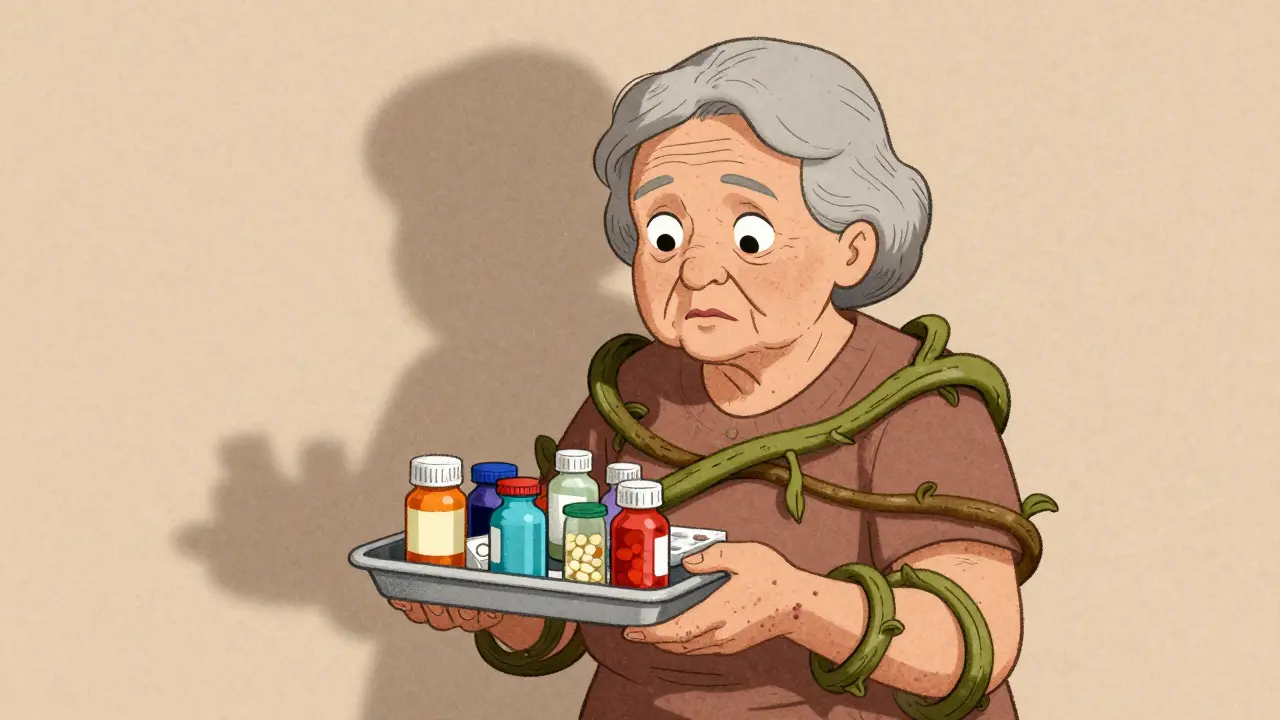
Who’s at Highest Risk?
Not everyone faces the same level of danger. Certain groups are far more vulnerable.- Adults 65 and older - their bodies process drugs slower. They’re 2.7 times more likely to have a dangerous reaction.
- People taking five or more medications - this is called polypharmacy. It increases the risk of harmful interactions by 300%.
- Those with kidney or liver disease - these organs clear drugs from your body. If they’re not working well, drugs build up to toxic levels.
- People with known allergies - if you’ve reacted to one drug, you’re more likely to react to others in the same class.
One of the most common causes of dangerous mix-ups? Look-alike, sound-alike drugs. Insulin and heparin - one lowers blood sugar, the other thins blood - are often confused. A single wrong injection can cause coma or uncontrollable bleeding. That’s why pharmacists now use tall-man lettering (like INSULIN vs. heparin) and color-coded labels. But you still need to double-check your pills.
What to Do When You Suspect a Dangerous Reaction
Here’s the simple, life-saving protocol:- Stop taking the medication - but only if you’re sure it’s the cause. Never stop cold turkey if you’re on blood pressure meds, antidepressants, or seizure drugs. Abruptly quitting can trigger seizures, heart attacks, or severe withdrawal.
- Call 911 - if you have any of the red flag symptoms listed above. Don’t wait. Don’t text your doctor. Don’t Google it. Emergency services can give you epinephrine, oxygen, IV fluids - things no app or website can provide.
- Call your doctor within 24 hours - for symptoms like unusual bruising, persistent nausea, or fatigue that won’t go away. Don’t wait until your next appointment. This isn’t "maybe it’ll pass." This is "something’s wrong."
- Bring all your meds to your next visit - including vitamins, supplements, and over-the-counter painkillers. Many dangerous reactions happen because of interactions, not the main drug. The "Brown Bag Method" - dumping everything out on the table - catches more problems than any checklist.
How Technology Is Helping Prevent These Reactions
It’s not all on you. The healthcare system is catching up. In 2024, Mayo Clinic rolled out an AI-powered tool that scans your age, weight, kidney function, and current meds to predict your risk of a dangerous side effect - with 89% accuracy. The National Institutes of Health is now testing genetic screening before prescribing high-risk drugs like carbamazepine. People who got tested first saw a 47% drop in severe reactions. Apple and the American Heart Association are testing smartwatches that detect irregular heart rhythms caused by medications. The FDA is pushing for "smart packaging" on high-risk drugs - bottles that track when you take them and alert you if you miss a dose or take too much. But none of this replaces your own awareness. Technology helps. But you’re the first line of defense.Don’t Guess. Document.
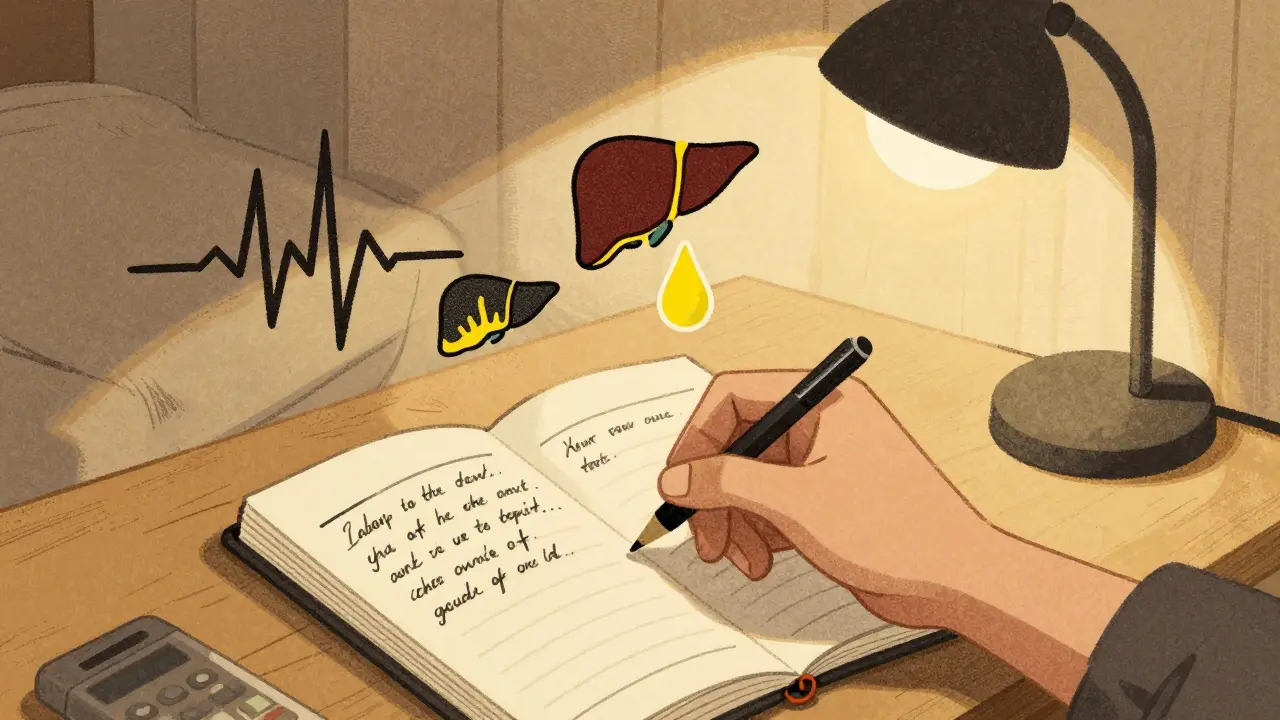
Keep a simple log: date, time, medication name, dose, and any new symptom - even if it seems tiny. Did you get a headache? Note it. Did your skin feel itchy? Write it down. Did you feel unusually dizzy after lunch? Track it. This log becomes your best tool. When you see your doctor, you’re not saying, "I think something’s off." You’re saying, "Here’s what happened, when, and how it changed." That’s how doctors spot patterns. That’s how they save lives.Final Thought: Trust Your Gut
You know your body better than any algorithm. If something feels wrong - if you’ve never felt this way before, even if your doctor says "it’s normal" - speak up. Push for answers. Ask: "Could this be a side effect?" "Should I be worried?" "What should I do if it gets worse?" Medications are powerful tools. But they’re not harmless. The goal isn’t to scare you off pills. It’s to help you use them safely. Because the most dangerous side effect isn’t the one you don’t know about - it’s the one you ignore.What are the most common dangerous side effects of medications?
The most common dangerous side effects include severe allergic reactions (anaphylaxis), internal bleeding, irregular heartbeat, liver or kidney damage, seizures, and drug-induced organ failure. Gastrointestinal bleeding, cardiac events, and anaphylaxis are the top three reasons people end up in emergency rooms due to medications, according to FDA data from 2024.
How soon after taking a drug do dangerous side effects appear?
Life-threatening reactions like anaphylaxis usually happen within minutes to an hour after taking the drug. Other serious reactions - like liver damage or DRESS syndrome - can take days or even weeks to show up. That’s why it’s important to monitor your body closely for the first few weeks after starting any new medication.
Can over-the-counter drugs cause dangerous side effects?
Absolutely. Pain relievers like ibuprofen and naproxen can cause stomach bleeding or kidney damage, especially if taken long-term. Acetaminophen (Tylenol) is the leading cause of acute liver failure in the U.S. when taken in excess. Even common supplements like St. John’s Wort or high-dose vitamin E can interfere with blood thinners or raise blood pressure.
Should I stop taking my medication if I think I’m having a side effect?
Only if it’s a clear emergency - like trouble breathing or chest pain. For other symptoms, don’t stop abruptly. Quitting certain drugs like beta-blockers, antidepressants, or seizure medications suddenly can cause seizures, heart attacks, or severe withdrawal. Call your doctor first. They’ll tell you whether to stop, taper off, or switch.
Are older adults more at risk for dangerous medication side effects?
Yes. People over 65 are 2.7 times more likely to experience serious side effects because their bodies process drugs slower. They’re also more likely to take multiple medications, which increases the chance of dangerous interactions. Nearly half of older adults take five or more drugs daily - a major risk factor.
What should I do if I notice a new symptom after starting a new drug?
Write it down - when it started, how bad it is, and whether it’s getting worse. Then call your doctor or pharmacist within 24 hours. Don’t wait. Even if it seems minor, it could be the first sign of something serious. Keep a list of all your meds, including supplements, and bring it to every appointment.
Can genetic testing help prevent dangerous side effects?
Yes. The NIH’s Pharmacogenomics Research Network has shown that testing for certain gene variants before prescribing drugs like carbamazepine or warfarin can reduce severe reactions by nearly half. This isn’t routine yet, but it’s becoming more common - especially for psychiatric, pain, and heart medications.
How can I reduce my risk of dangerous medication side effects?
Use one pharmacy for all your prescriptions - they can flag dangerous interactions. Ask your doctor: "Is this absolutely necessary?" and "What are the risks?" Avoid taking more than five medications unless absolutely needed. Review your meds with your doctor every six months. And always tell them about vitamins, herbs, and OTC drugs you’re taking.
Antwonette Robinson
February 5, 2026 AT 06:09
Oh wow, another "trust your gut" article. Because clearly, the 12 million people who ignored their gut and still took their pills are just... dumb? 😴
Let me guess - the next post will be "How to Not Die from Breathing Air."
Also, DRESS syndrome? You mean that thing that took 47 days to show up in my cousin’s liver? Yeah. We didn’t know. Now she’s on transplant waiting list. Thanks for the heads-up, Dr. Google.
Ed Mackey
February 5, 2026 AT 07:51
hey this was super helpful. i just started a new med last week and i’ve been kinda worried about that weird rash. i didn’t know it could be serious so fast. thanks for listing the red flags. i’m gonna call my doc tomorrow. also… typo? i think u meant "seizures or convulsions" not "seizures or convulsions" lol. no biggie. just sayin. 💯
Alex LaVey
February 6, 2026 AT 11:09
As someone who’s been on 8 meds for 12 years, I just want to say: thank you.
This isn’t fear-mongering - it’s empowerment.
I’ve had my own brush with DRESS. Took 3 weeks. Thought it was "just allergies." Ended up in ICU. My wife saved me because she noticed my eyes turning yellow before I even felt it.
Keep sharing this. People need to know - especially older folks who think "it’s just aging."
You’re not scaring us. You’re giving us the tools to outsmart the system.
caroline hernandez
February 6, 2026 AT 15:35
From a clinical pharmacist perspective - this is spot-on.
Pharmacokinetic changes in geriatric populations are non-linear - hepatic metabolism declines by 30-40% after 65, renal clearance by 50%. Polypharmacy isn’t just "taking too many pills" - it’s creating a perfect storm of CYP450 inhibition, P-gp saturation, and volume-of-distribution shifts.
And yes - Tylenol over 3g/day? That’s hepatotoxic. Period.
Also - the Brown Bag Method? It’s gold. I’ve caught 17 dangerous interactions in the last 6 months using it. Bring your meds. Every. Single. Time.
Jesse Naidoo
February 7, 2026 AT 14:28
So… are we saying Big Pharma is hiding this? Because if you read between the lines, they don’t want you to know how fast things can go south.
And why is AI only "rolling out" now? Coincidence? I don’t think so.
Also - why are smart bottles only for high-risk drugs? What about the 300+ OTC meds that kill people quietly?
Someone’s making bank off people who "don’t know better."
Daz Leonheart
February 7, 2026 AT 14:33
My grandma took 12 pills a day. She never complained. Just said "it’s fine."
One day she stopped walking. Turned out it was the blood pressure med + ibuprofen combo. Kidney failure.
She didn’t know. We didn’t know.
Now I make her write everything down. Even if it’s "felt weird after lunch."
Small things matter. Thank you for saying it.
Coy Huffman
February 8, 2026 AT 09:32
I’ve been thinking a lot about how we treat medicine like candy.
"Oh, it’s just a pill."
But it’s not. It’s a chemical conversation with your body. And your body doesn’t have a user manual.
Maybe we should treat every new prescription like a new relationship - check in, observe, ask questions.
Not every change is a crisis. But every silence is a risk.
Thanks for the reminder.
Amit Jain
February 10, 2026 AT 09:12
Very good info. In India, many people take antibiotics without prescription. They think fever = antibiotics. But side effects like kidney damage or C. diff infection are common. Please tell people to see doctor first. Also, liver damage from painkillers is very common here too. Simple advice: don’t take more than 2 painkillers together. Ever.
Kunal Kaushik
February 10, 2026 AT 10:08
Just wanted to say… I’ve been on a new med for 3 weeks. Had a tiny rash. Thought "eh, it’ll go." But I read this and called my doc. Turns out it was early DRESS. They caught it. I’m on steroids now but I’m alive.
Thank you. Seriously.
❤️
Alex LaVey
February 11, 2026 AT 18:01
Hey Kunal - I’m so glad you spoke up. That’s exactly why this matters.
That rash? That tiny itch? That’s your body knocking. Don’t ignore the knock.
And thank you for sharing your story. You just saved someone else’s life by saying that.