Government medication assistance programs vary by state and can save thousands on prescriptions. Learn how Medicare Extra Help and state SPAPs work in 2026, who qualifies, and what to do now.
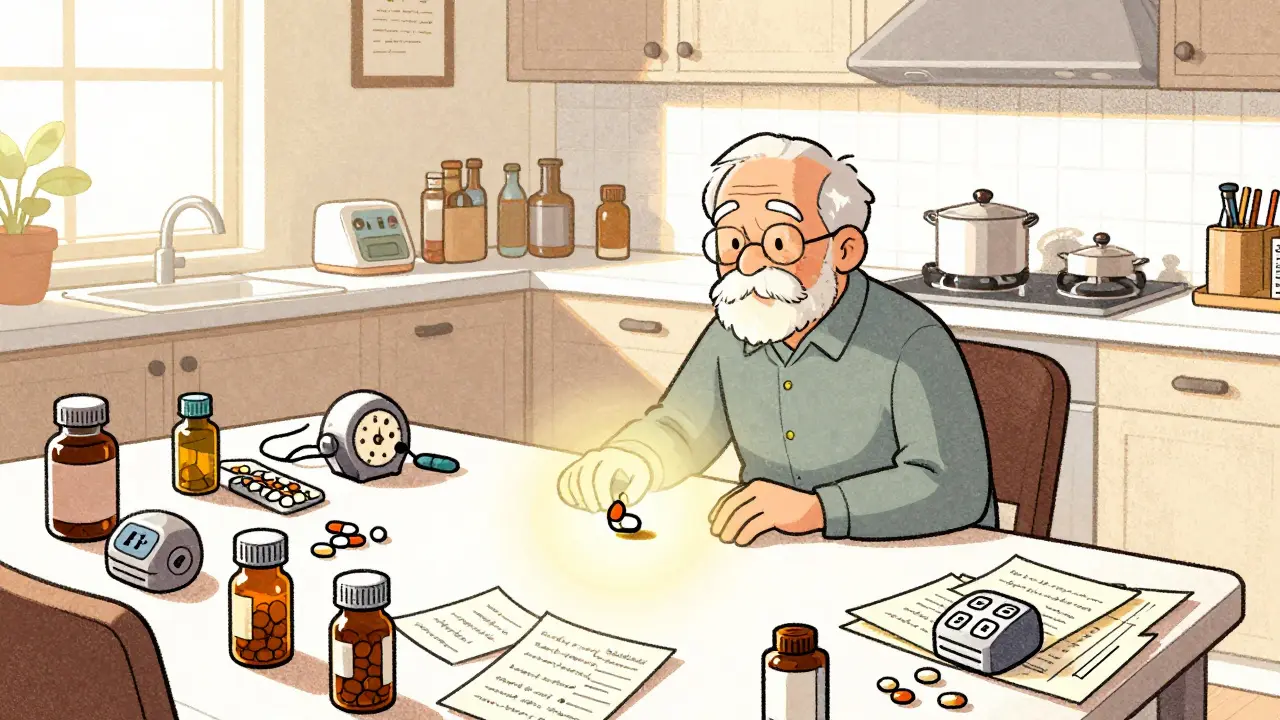
Simplifying medication regimens for older adults reduces pill burden, improves adherence, and supports independent living. Learn how once-daily dosing, combination pills, and deprescribing can make a real difference-with real-world examples and proven tools.
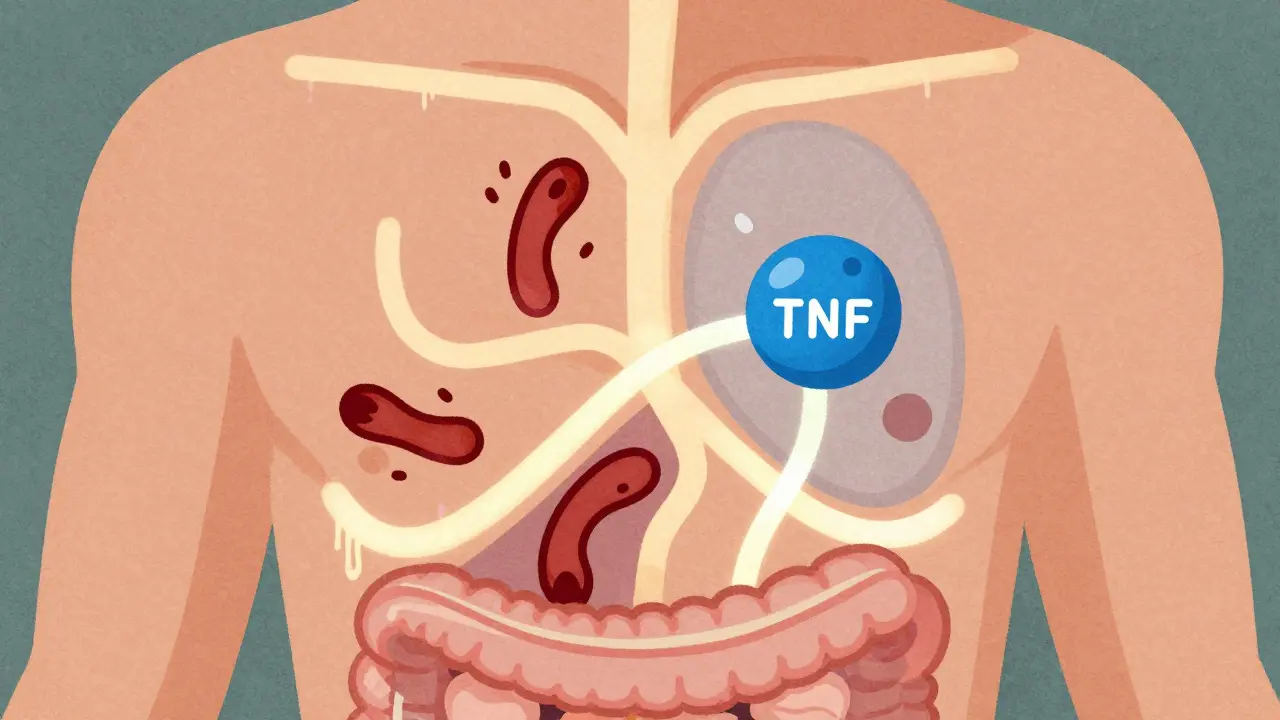
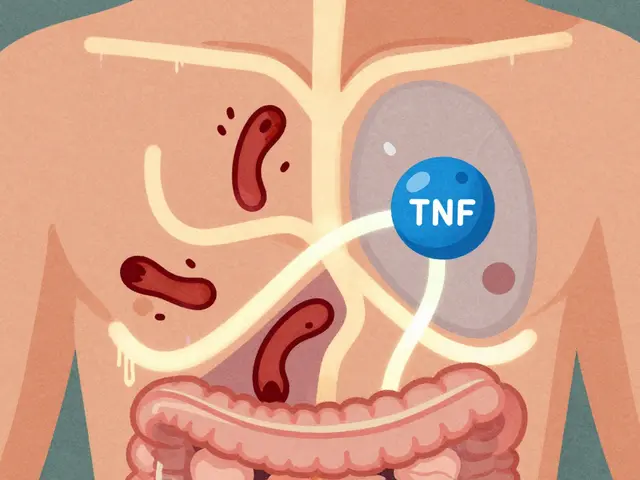
TNF inhibitors help control autoimmune diseases but raise questions about cancer risk. This article breaks down the real data, compares drug safety, and gives clear steps for patients concerned about skin cancer and long-term use.

Text message reminders can significantly improve medication adherence when personalized, timed correctly, and integrated with clinical care. Learn how to set them up effectively-and what to avoid.
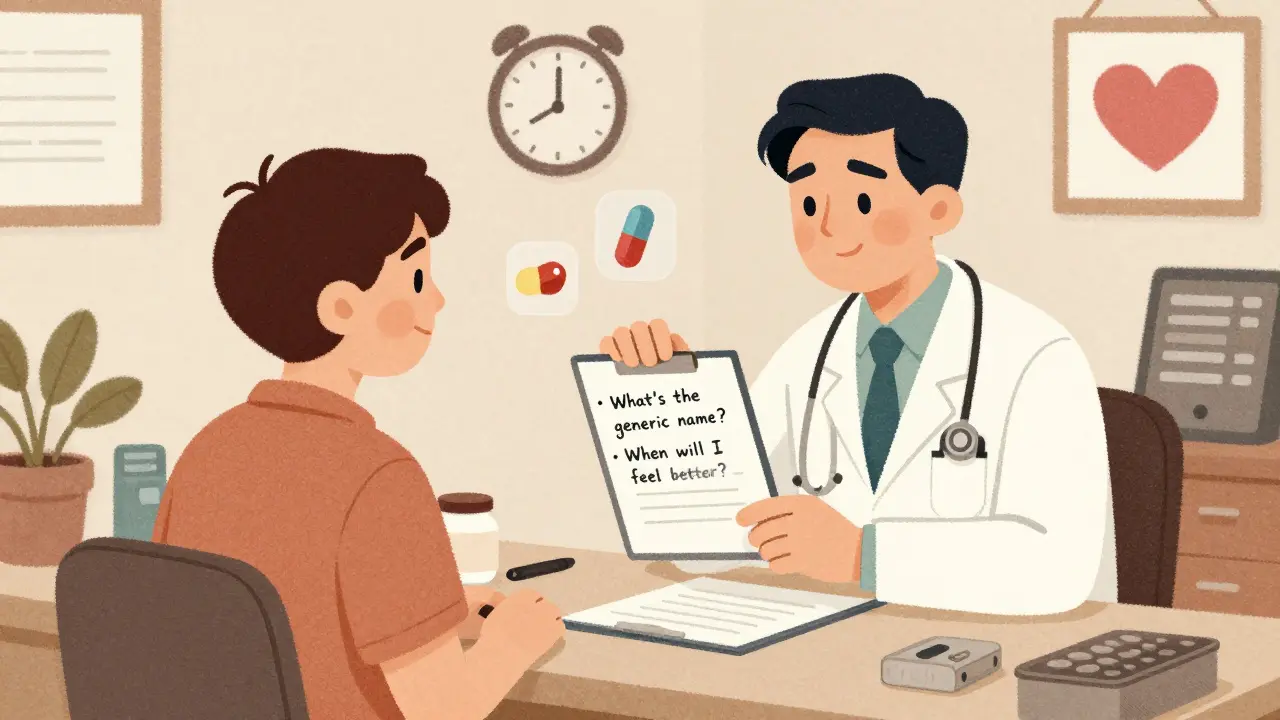
Knowing what to ask your doctor before starting a new medication can prevent side effects, improve adherence, and save your health. Here are the essential questions backed by research and real patient experiences.
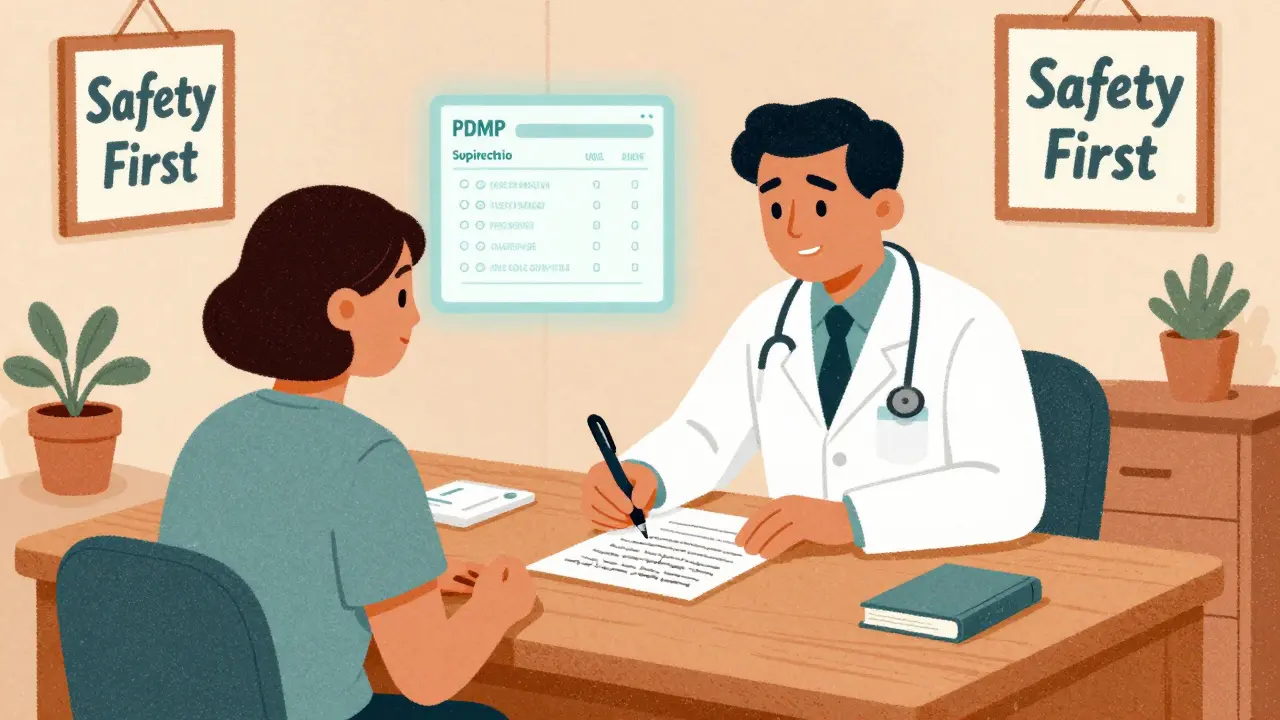
Opioid agreements and PDMPs are essential tools for safe pain management. Learn how they work together to prevent overdose, reduce misuse, and protect patients on long-term opioid therapy.
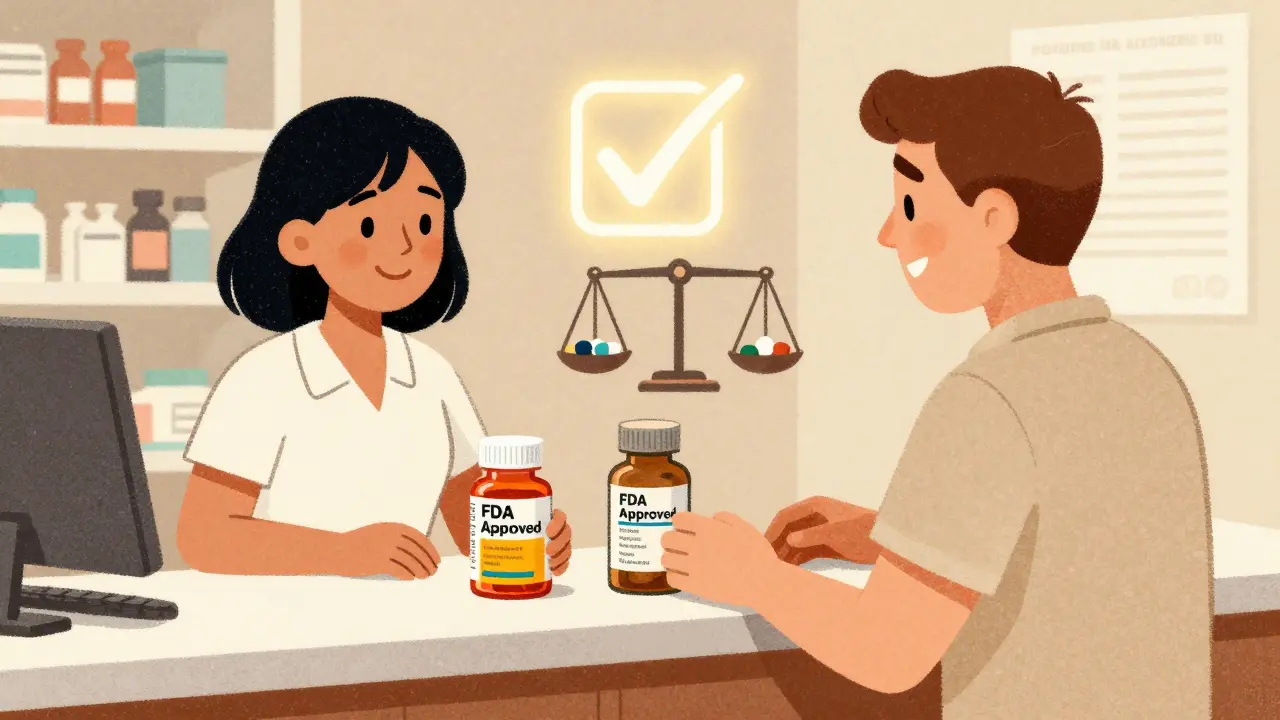
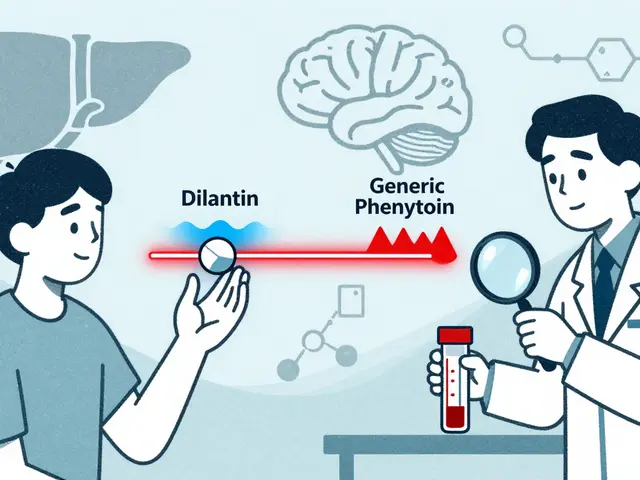
Clinical evidence shows generic drugs are as safe and effective as brand-name drugs for most people. But for thyroid, blood thinners, and seizure medications, small differences can matter. Here's what you need to know.
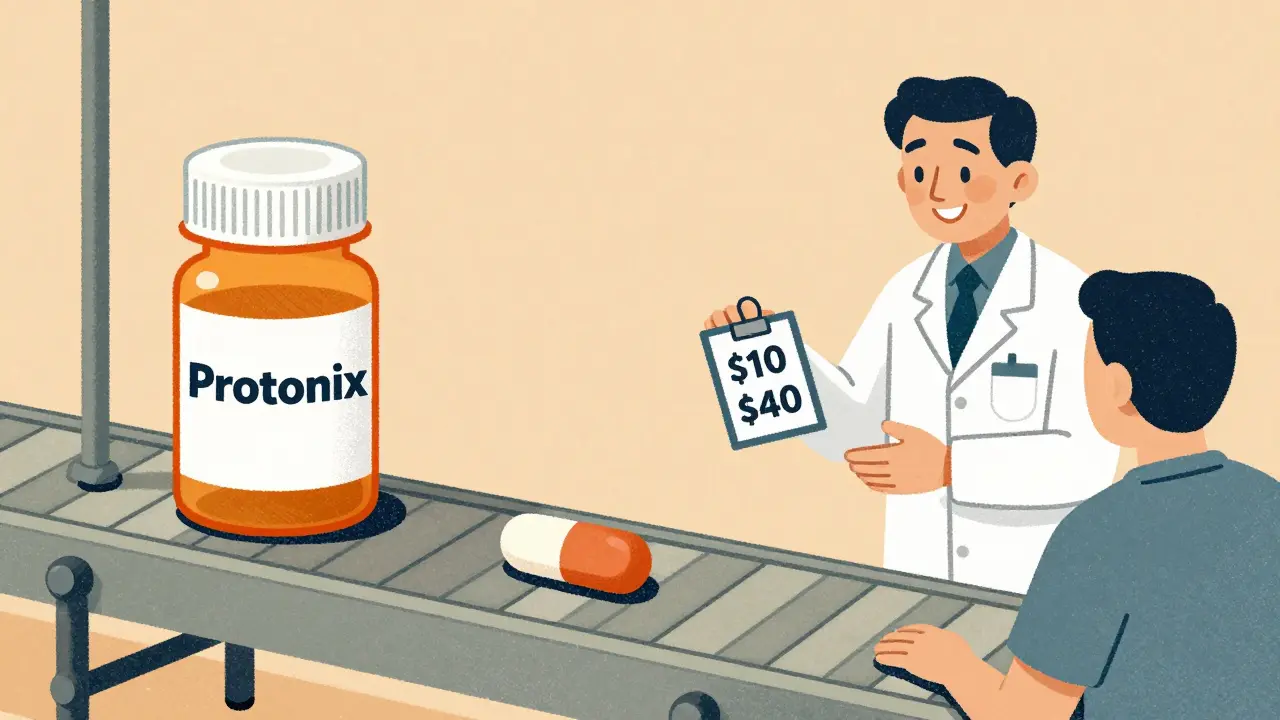
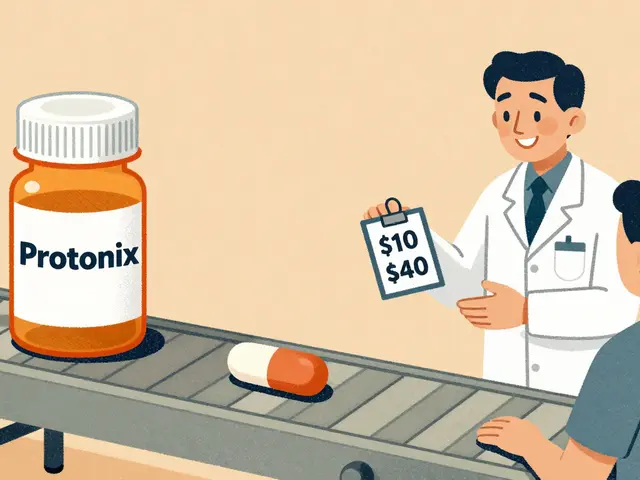
Authorized generics offer brand-name drug effectiveness at generic prices. Learn how insurance formularies place them, why they save money, and how to ensure you get the best coverage.

Regulatory capture occurs when industries manipulate the agencies meant to regulate them, leading to weaker protections, higher prices, and eroded public trust. Real cases from finance, energy, and pharma show how this happens-and what can be done about it.
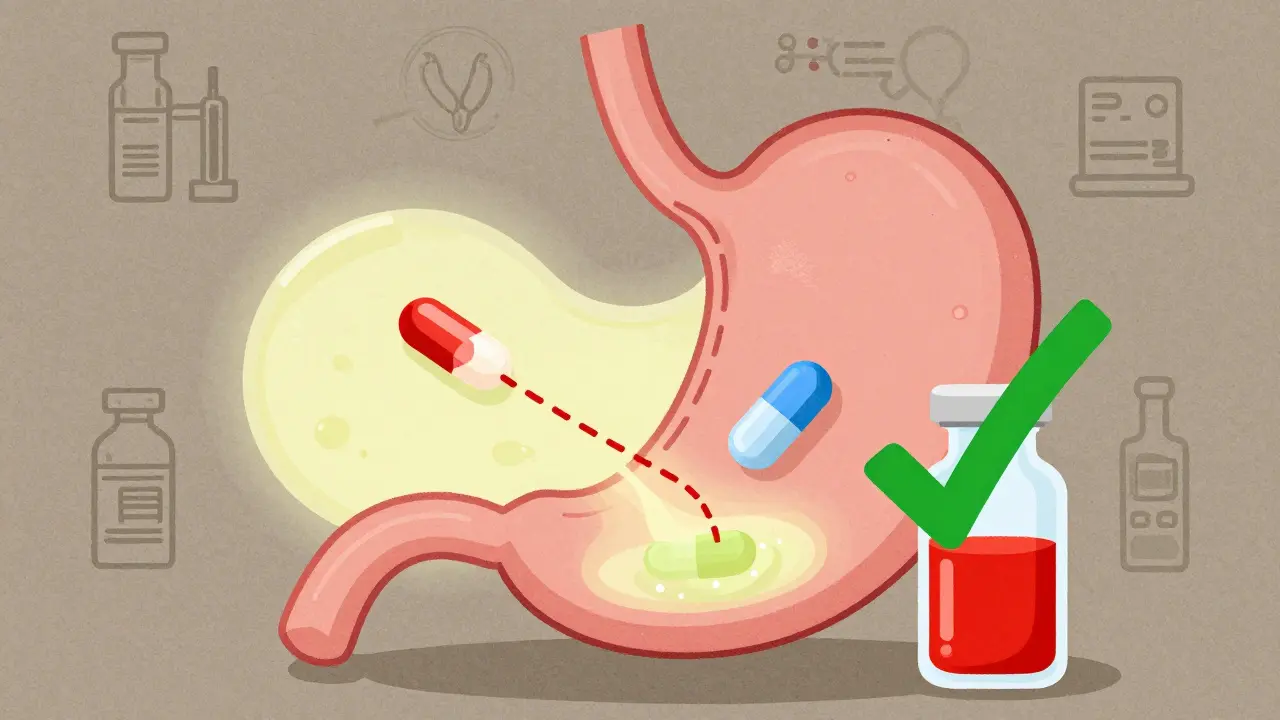
H2 blockers like famotidine and cimetidine can reduce the effectiveness of antivirals and antifungals by raising stomach pH and interfering with liver enzymes. Learn which drugs are at risk and how to avoid dangerous interactions.