Learn how to use FDA MedWatch to report side effects and adverse drug reactions. A complete guide for patients and healthcare professionals on forms, timelines, and safety reporting.
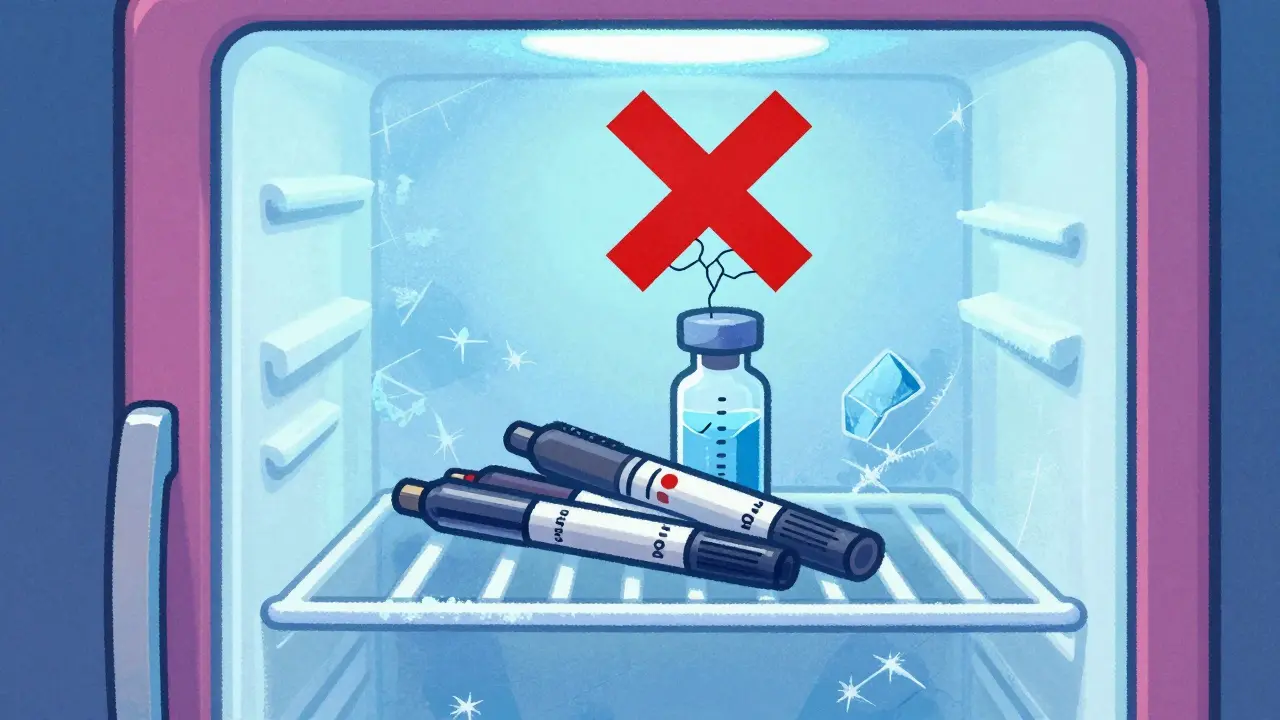
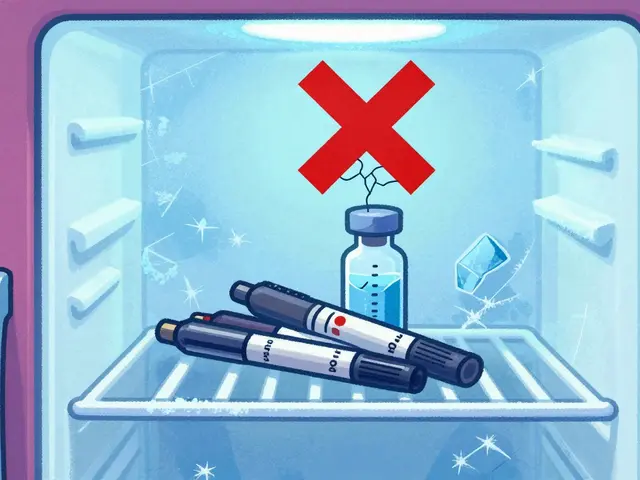
Learn how to store insulin pens, vials, and supplies properly to avoid dangerous blood sugar spikes. Follow FDA and ADA guidelines on temperature, shelf life, travel tips, and disposal.
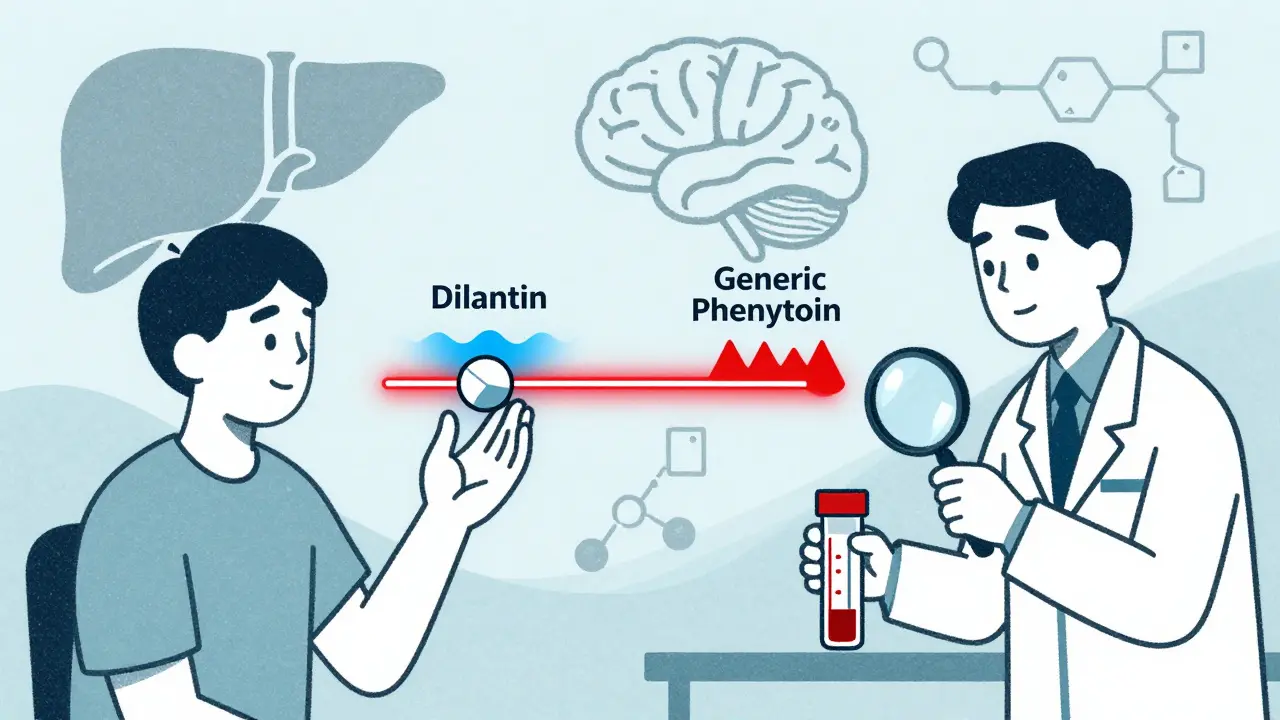
Phenytoin has a narrow therapeutic window and non-linear metabolism, making generic substitutions risky. Therapeutic drug monitoring is essential when switching formulations to prevent toxicity or seizure breakthrough.

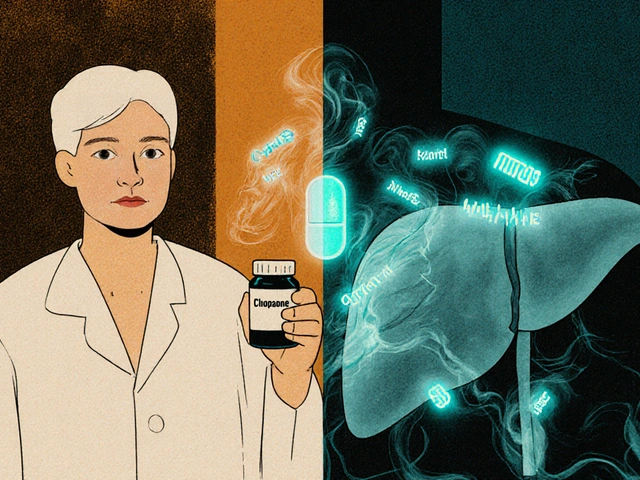
Cumulative drug toxicity is when side effects build up over time, often silently, leading to serious harm. Learn which drugs cause it, who's at risk, and how to protect yourself before it's too late.
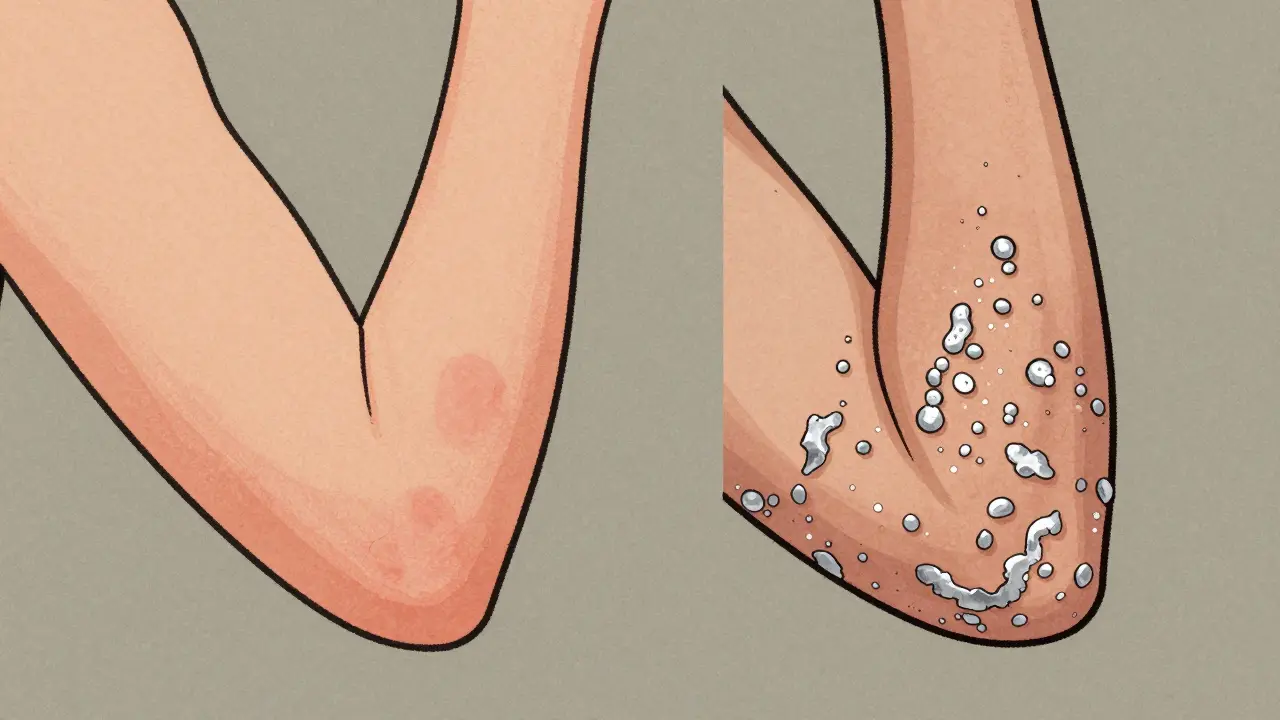
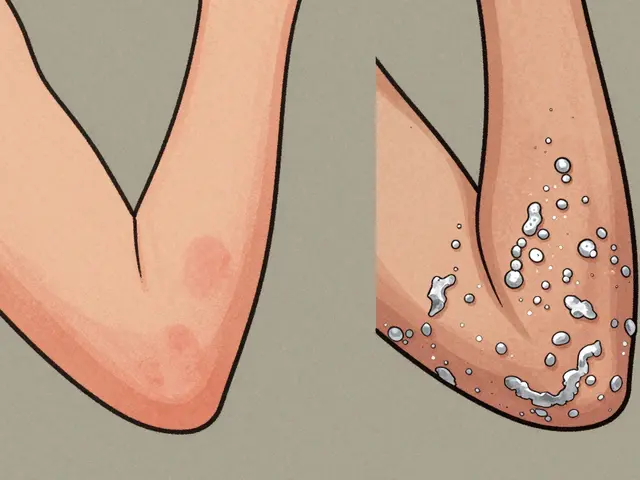
Eczema and psoriasis look similar but have key differences in rash appearance-location, texture, and scaling. Learn how to tell them apart to get the right treatment.
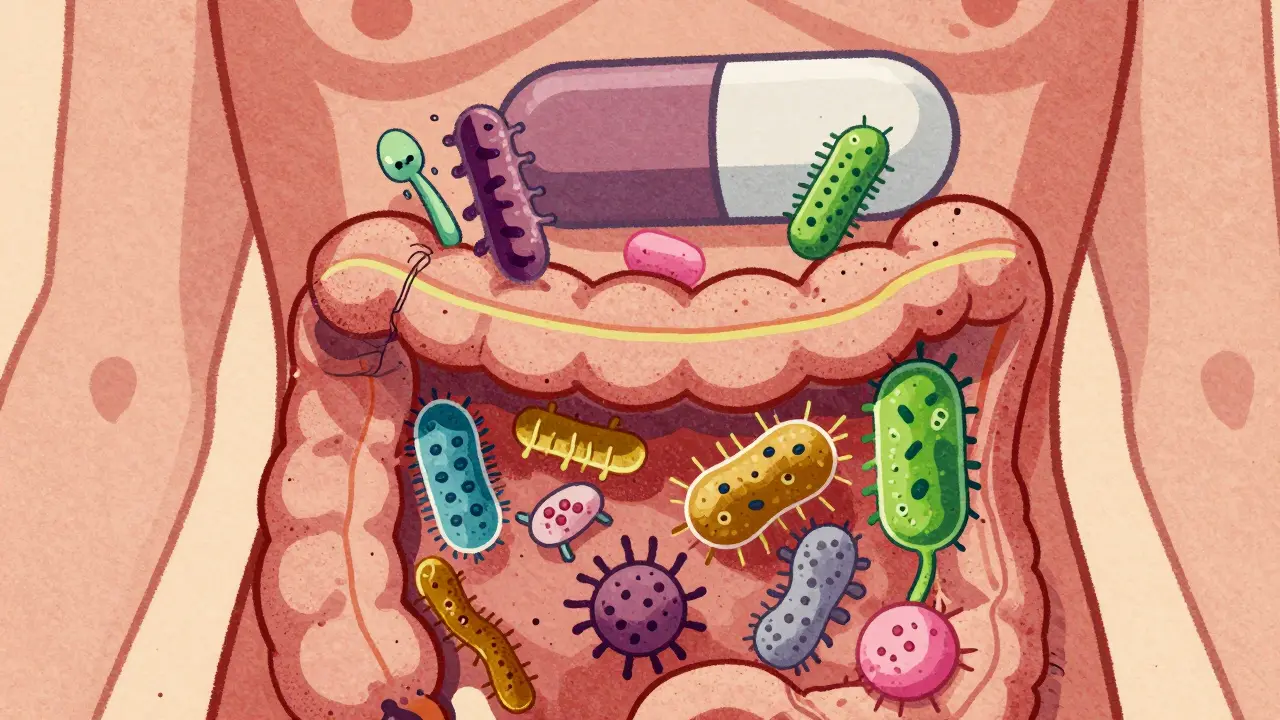
Probiotics can help with antibiotic-related diarrhea and infectious diarrhea in kids, but not all strains work for every gut issue. Learn what the science says - and what to look for on the label.
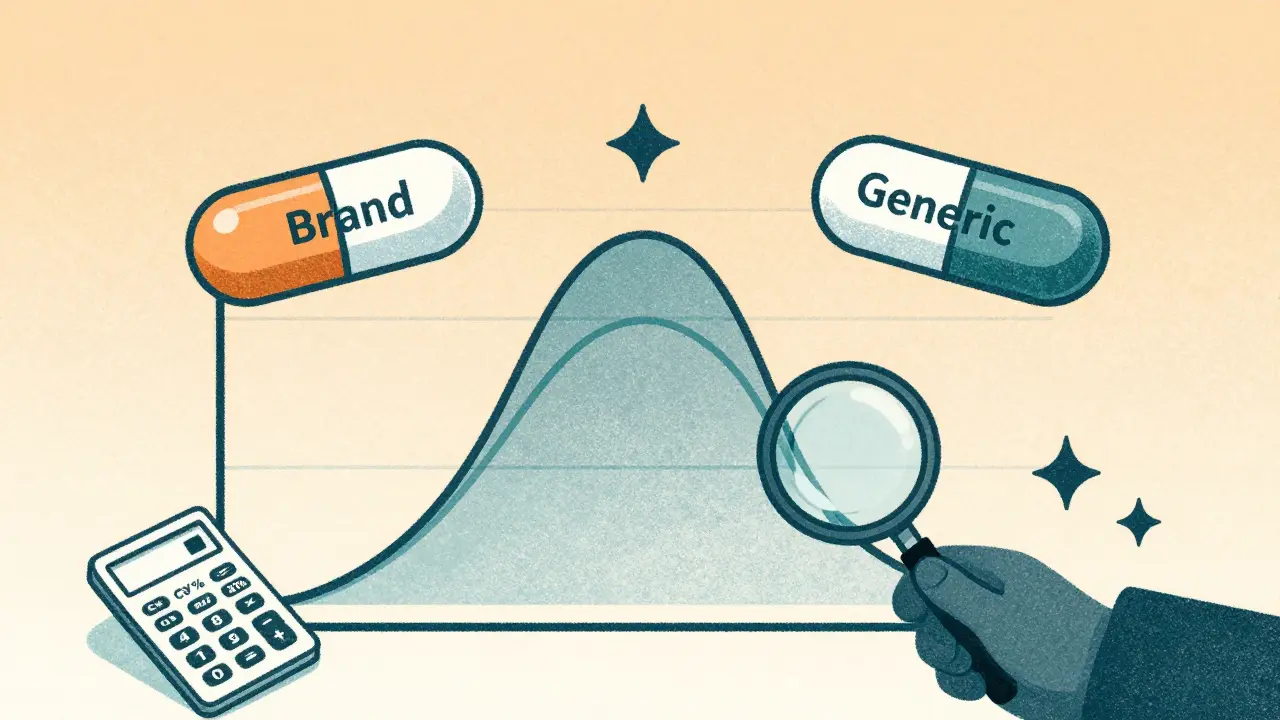
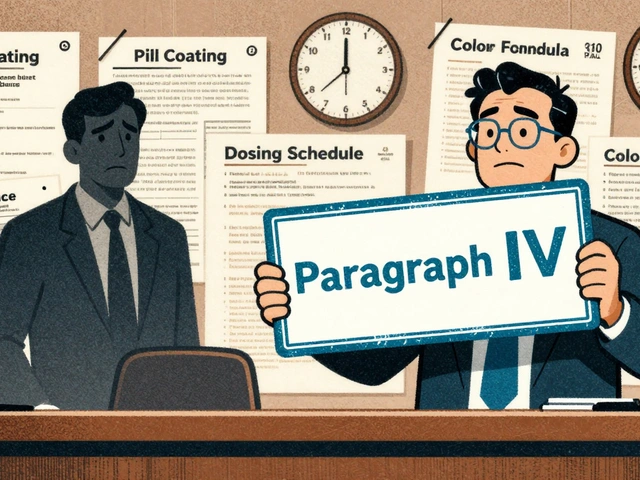
Power and sample size are critical in bioequivalence studies. Get them wrong, and your generic drug won’t get approved. Learn how variability, equivalence limits, and study design shape your sample size-and how to avoid common pitfalls.

Childhood obesity is best treated through family-based behavioral strategies that change home habits, not just the child's diet. Evidence shows this approach works better than any other, with lasting results for kids and parents alike.

Uremic symptoms like nausea and itching signal advanced kidney failure. Learn when dialysis is truly needed-not based on numbers alone, but on how you feel.
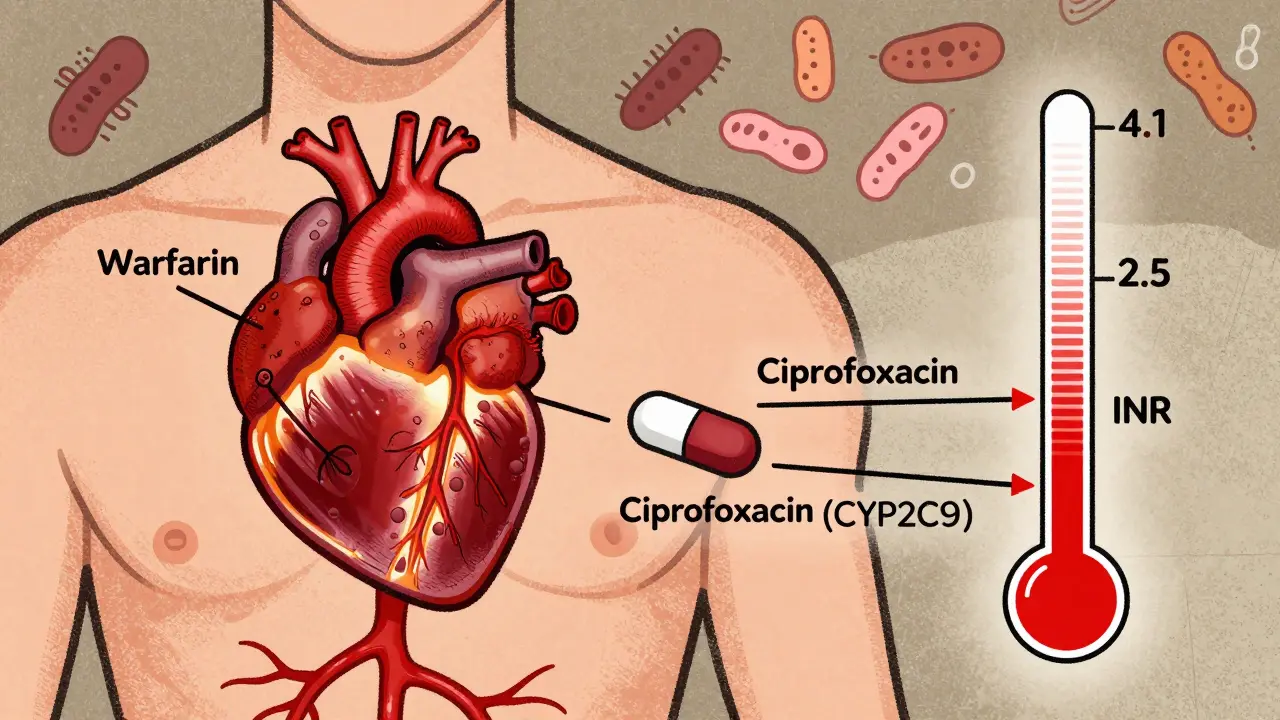
Antibiotics can dangerously raise INR levels in warfarin users, leading to life-threatening bleeding. Learn which antibiotics pose the highest risk, how to monitor your INR, and what steps to take to prevent serious complications.