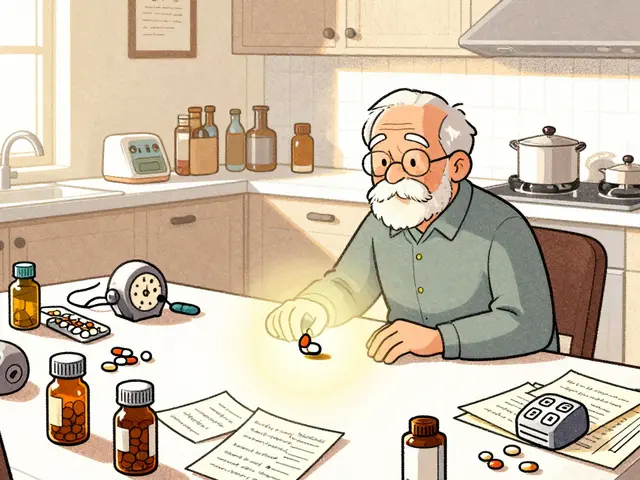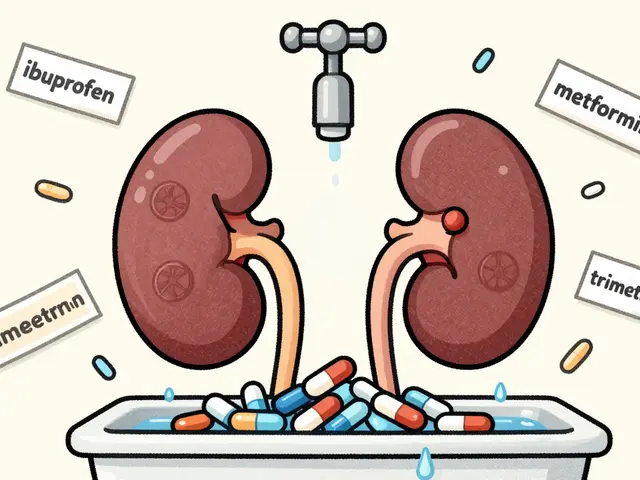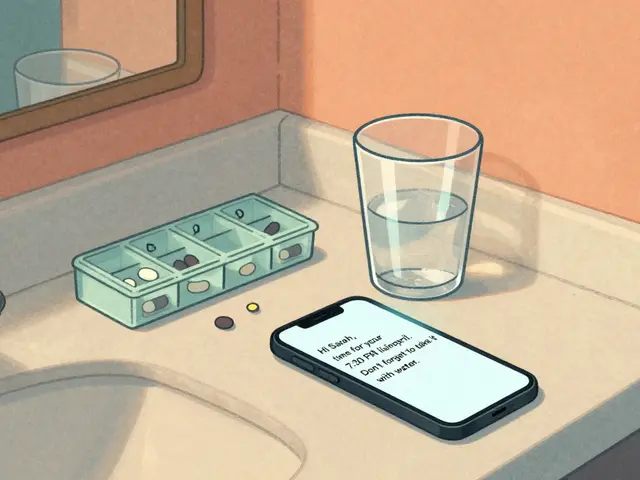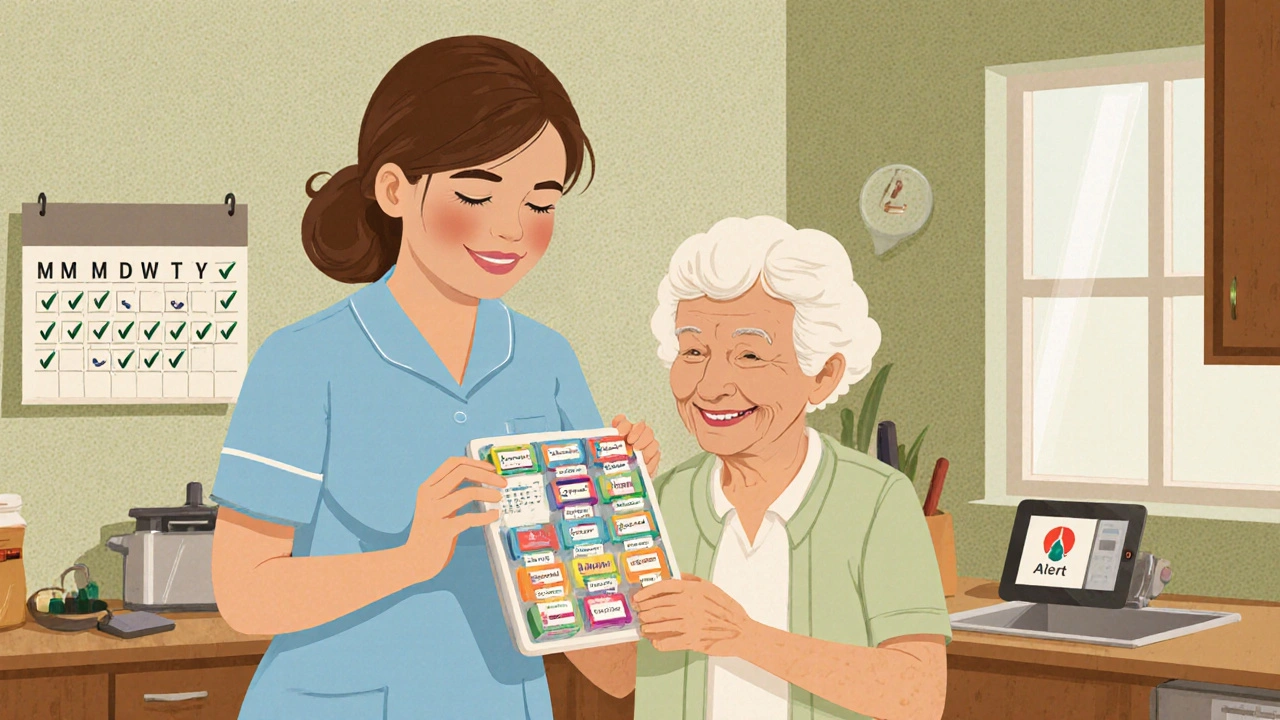
Home health services help seniors manage medications safely at home by organizing doses, preventing errors, and reducing hospital visits. Learn how these services work, who qualifies, and what tools make the biggest difference.
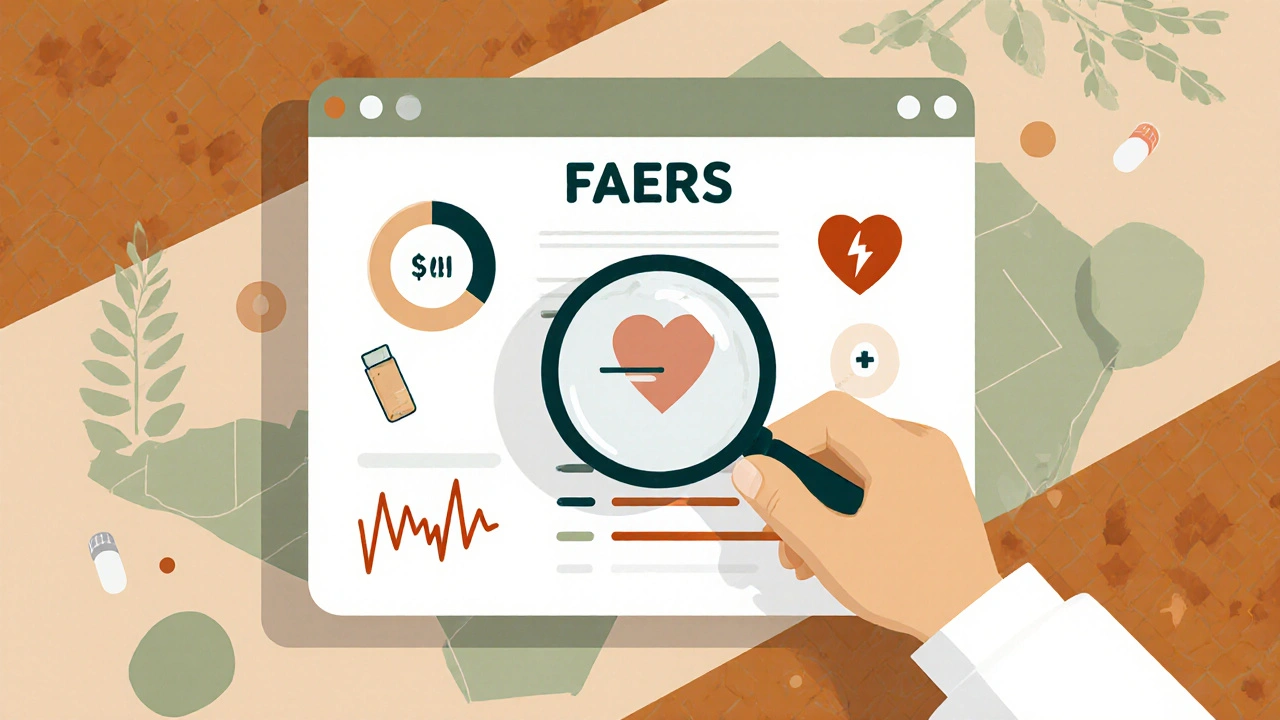
Learn how to access and use the FDA's FAERS database for drug safety monitoring. Understand what the data shows, what it doesn't, and how to avoid common mistakes when interpreting adverse event reports.
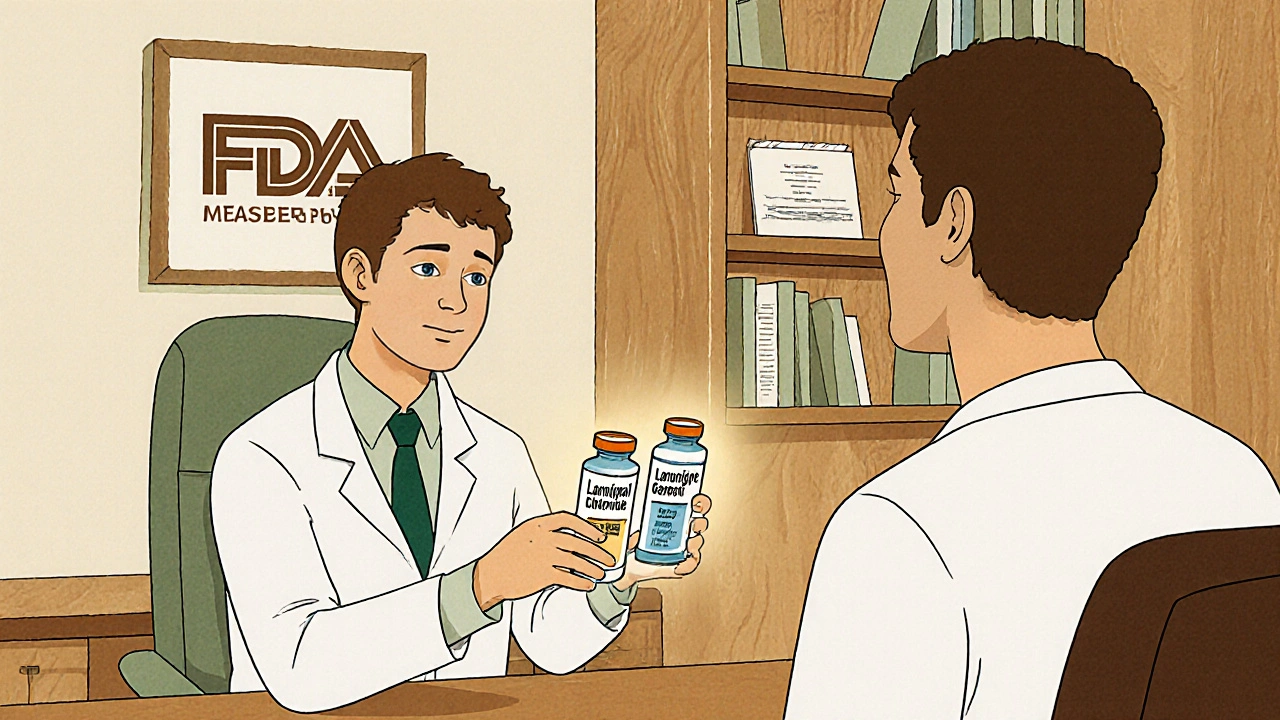
Providers share real experiences with generic medications, from life-saving savings to dangerous substitutions. Learn when generics work, when they don’t, and how to navigate the system safely.

Smoking can slash clozapine levels by up to 50%, leading to treatment failure or dangerous toxicity when you quit. Learn how tobacco affects this critical antipsychotic and what you need to do to stay safe.
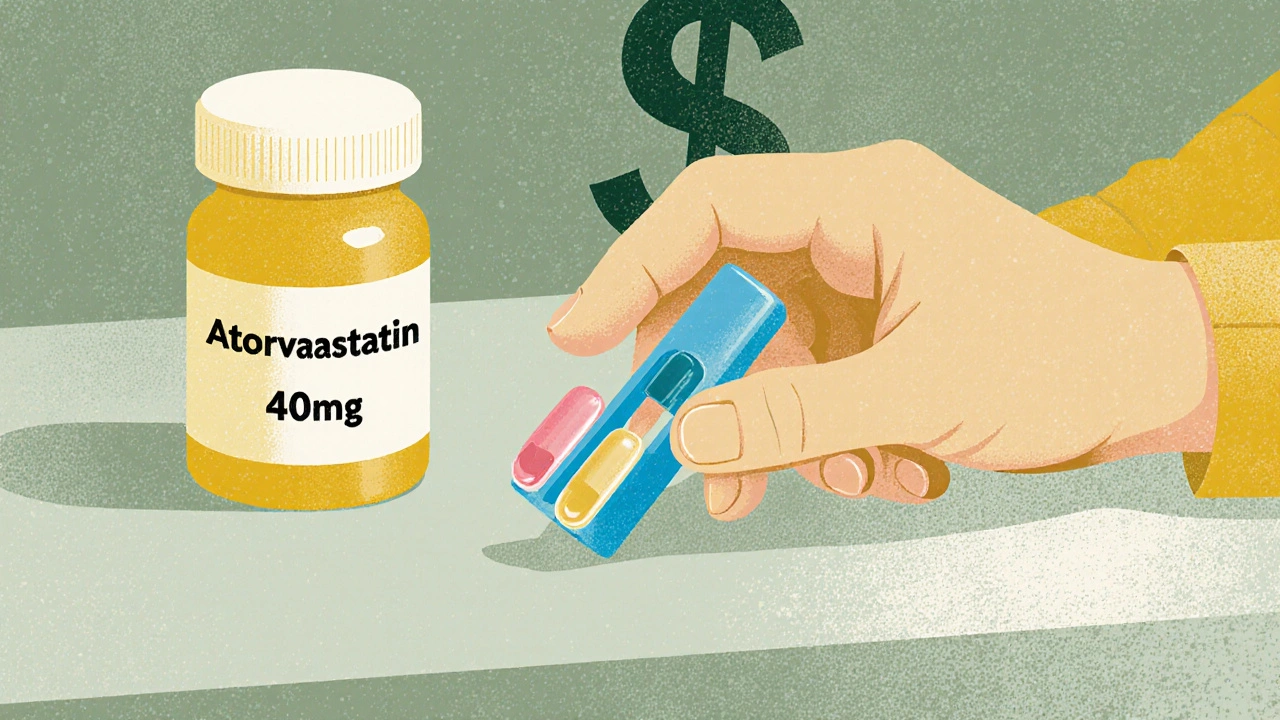
Learn how to safely split pills to save money on prescriptions without risking your health. Find out which meds can be split, what tools to use, and safer alternatives to cut costs.
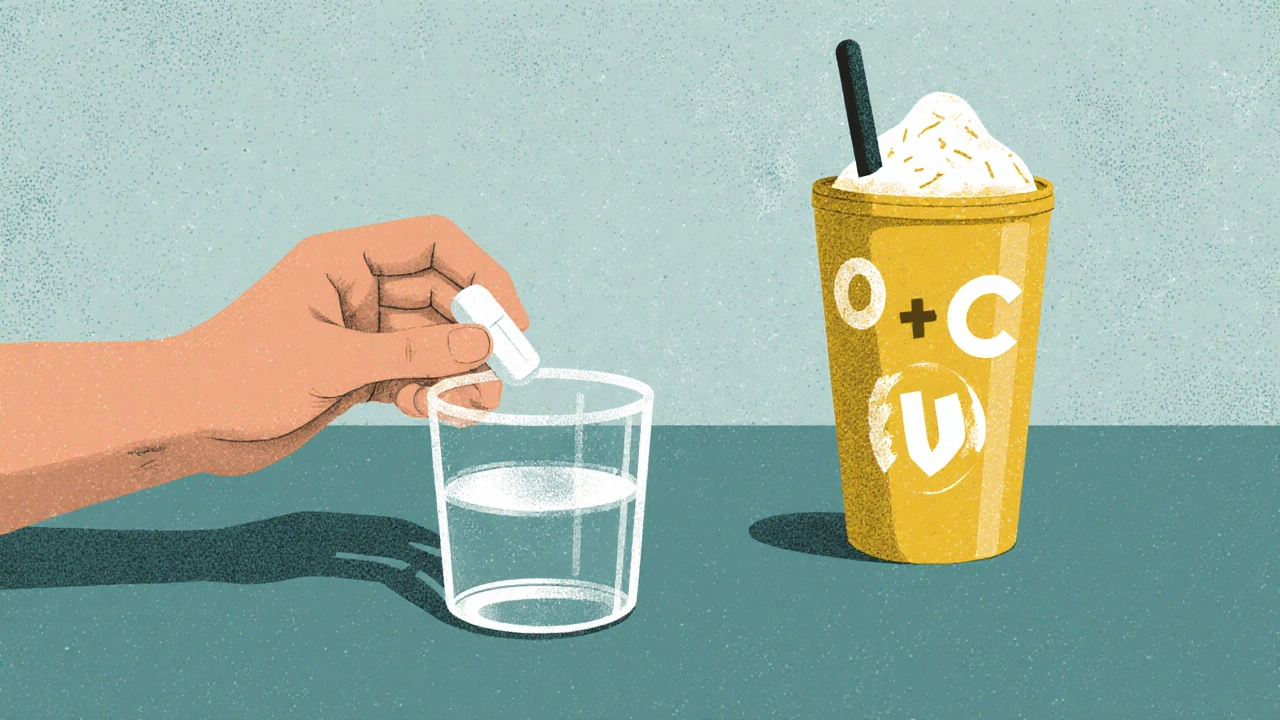
Learn how protein shakes interfere with levothyroxine absorption and how to time your doses correctly to avoid spikes in TSH levels. Expert-backed tips for morning and evening dosing.
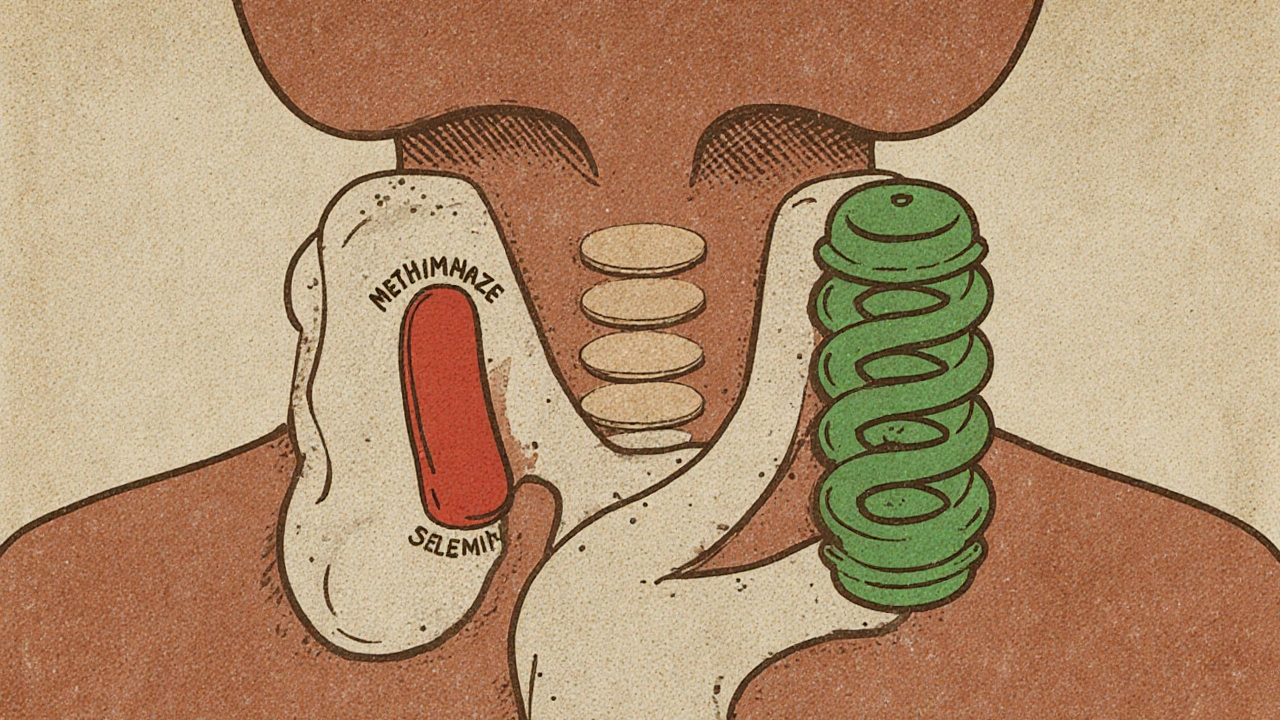
Learn how methimazole and selenium work together to treat Graves' disease, reduce thyroid antibodies, and protect against eye complications. Discover dosage, safety, and what to expect.
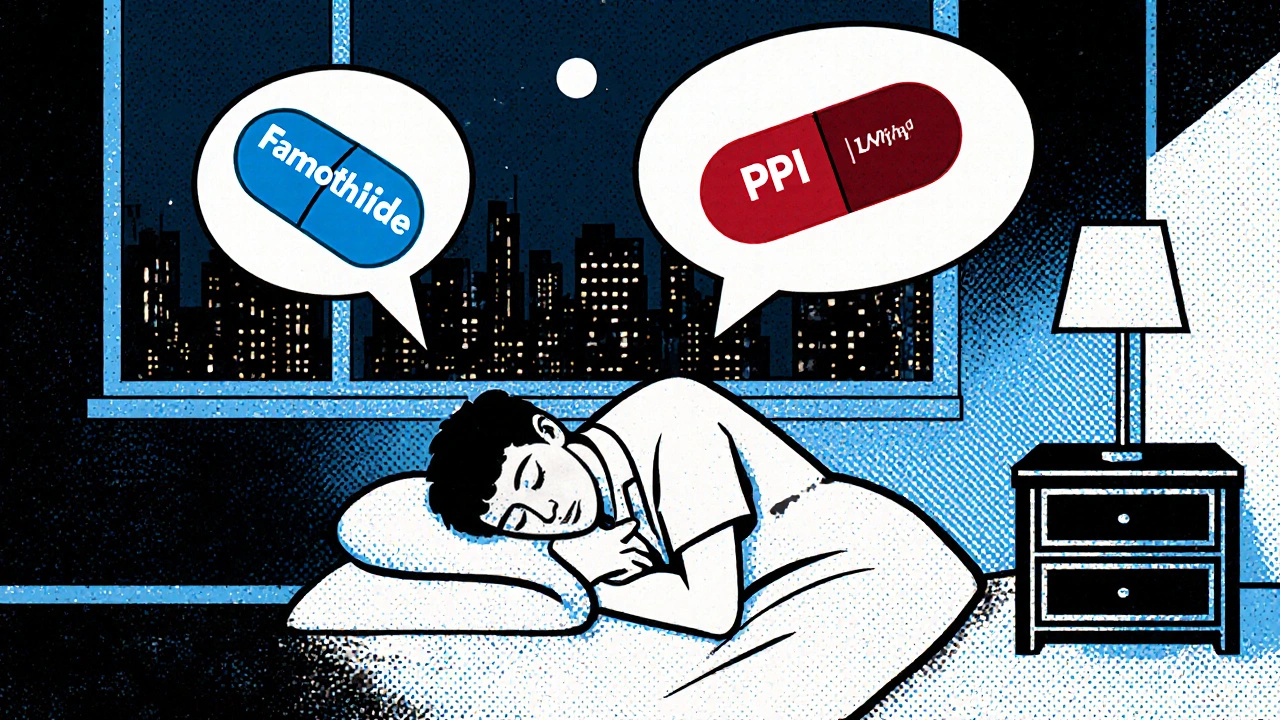
Explore the key differences between famotidine and proton pump inhibitors, covering how they work, effectiveness, side effects, cost, and when each is the right choice for acid reflux relief.
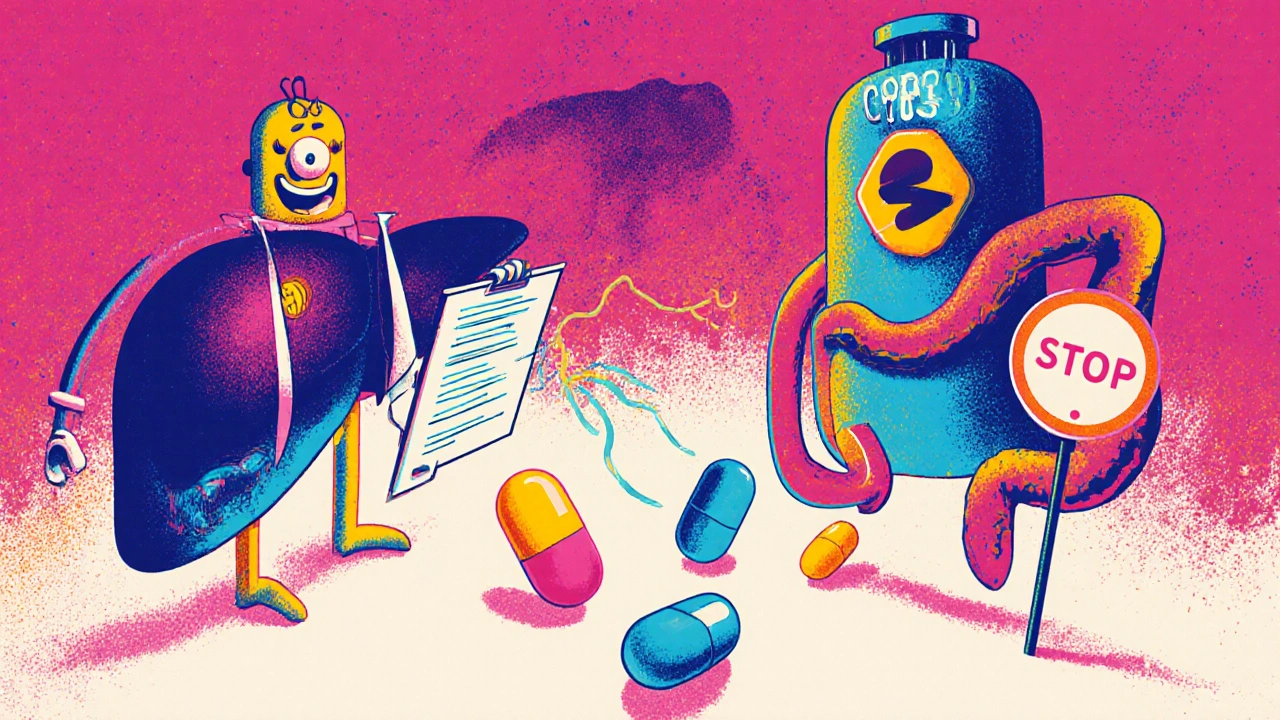
Learn how CYP3A4 and P‑gp affect antiviral drugs, key interaction partners, clinical risks, and step‑by‑step management strategies for safer therapy.
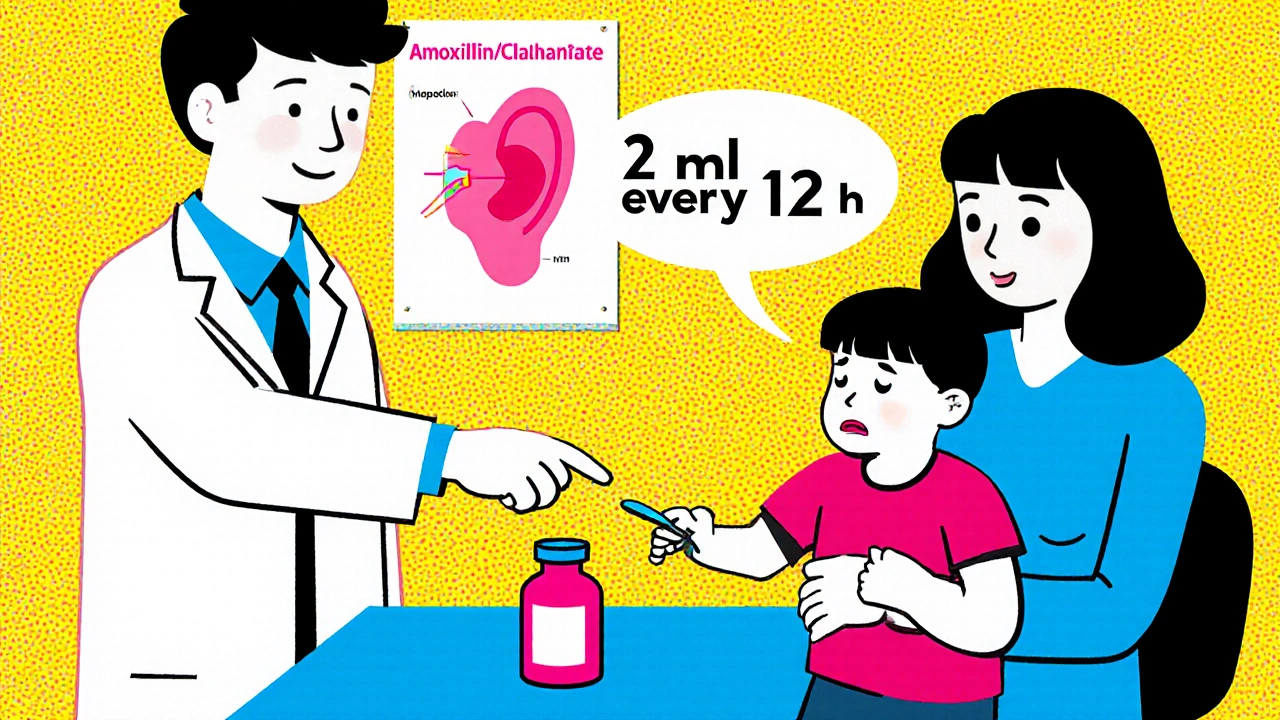
Learn how clavulanic acid works in children's antibiotics, proper dosing, safety concerns, and when to choose it over amoxicillin alone.