Generic drugs cost far less than brand-name versions not because ingredients are cheaper, but because labor is scaled, outsourced, and optimized across millions of units. Learn how production volume, global manufacturing, and compliance shape the real cost difference.

COVID-19 triggered widespread drug shortages and made illicit drugs deadlier through fentanyl contamination. While telehealth helped some access treatment, systemic failures left vulnerable populations behind-and the crisis is still unfolding.

Ashwagandha can dangerously increase thyroid hormone levels when taken with medications like levothyroxine, leading to over-replacement and serious health risks. Learn why doctors warn against combining them.
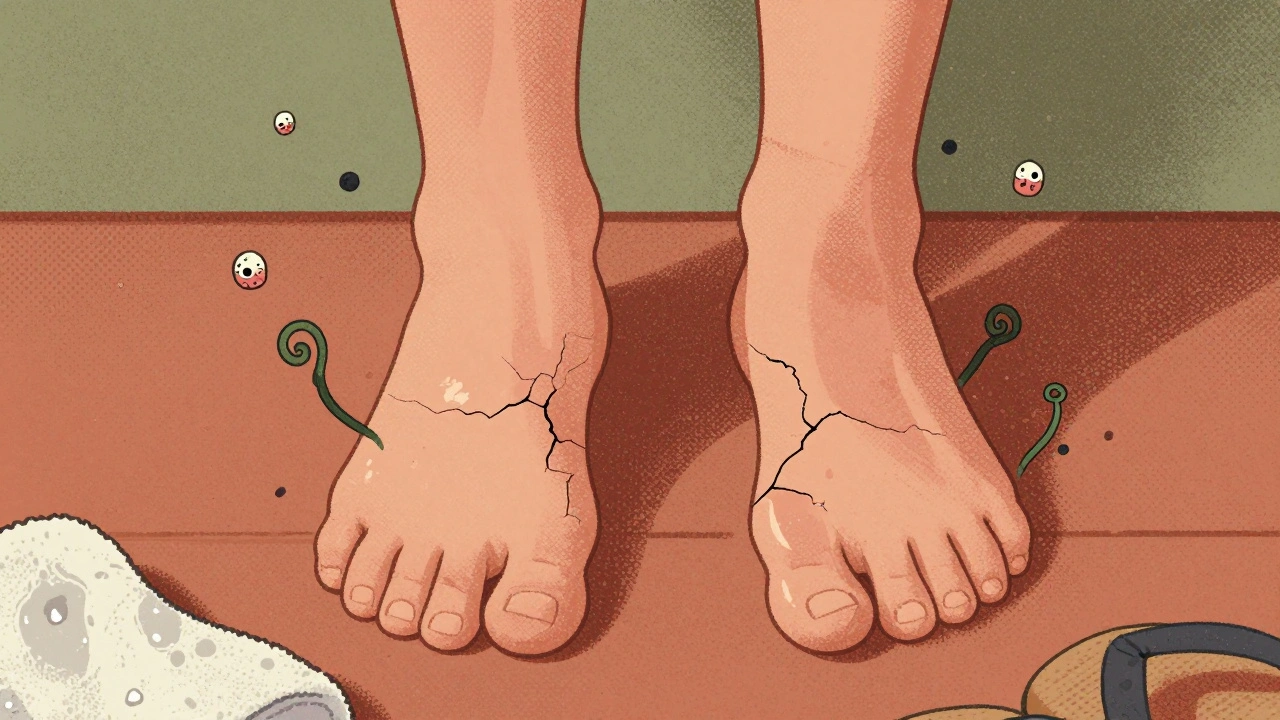
Learn the difference between athlete's foot and Candida infections, what treatments actually work, and how to prevent them from coming back. Based on current medical data and real-world outcomes.
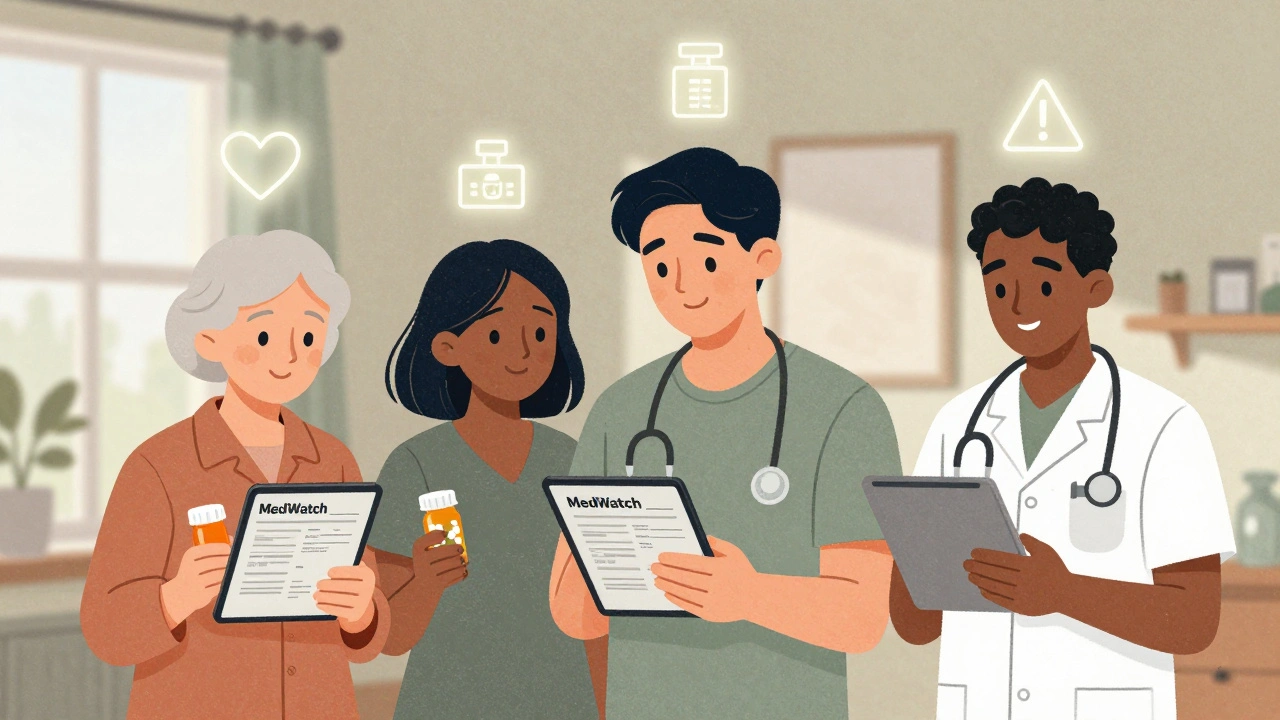
Learn how to report a suspected adverse drug reaction to the FDA through MedWatch. Step-by-step guide for patients, caregivers, and providers on what to report, how to submit, and why it matters.
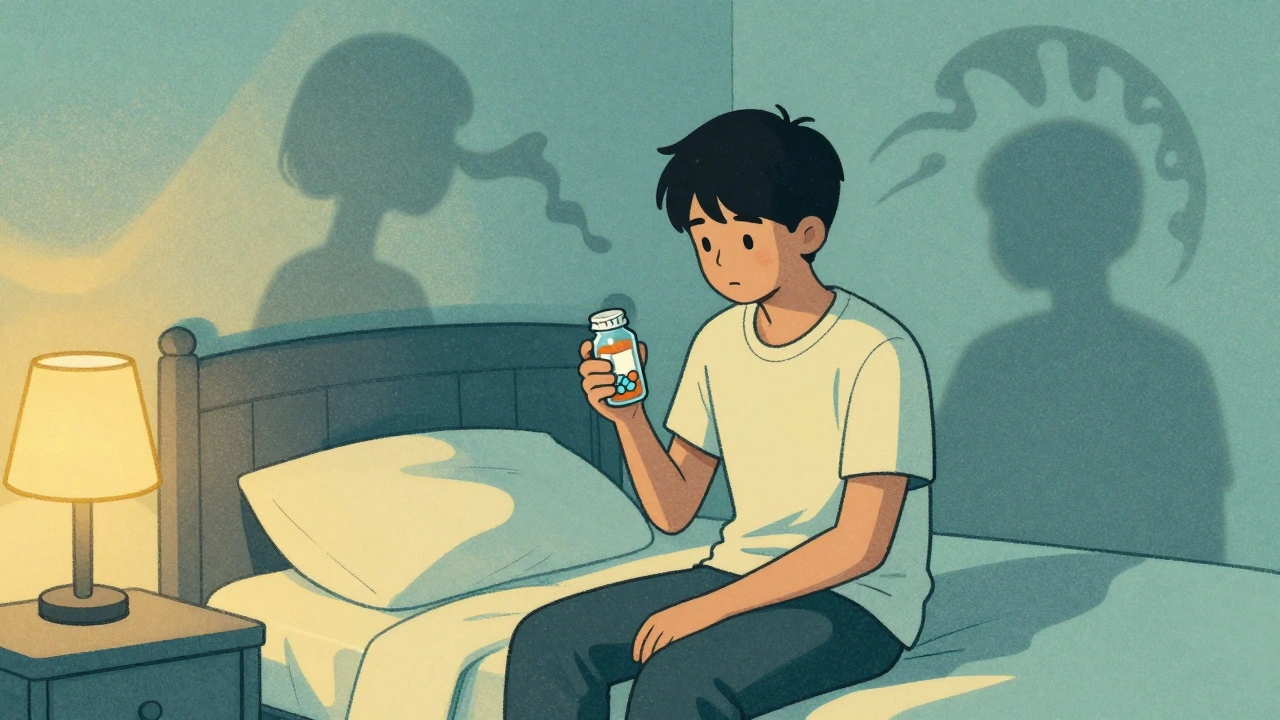
Psychiatric medications can help teens with depression and anxiety-but they also carry a risk of increasing suicidal thoughts, especially early in treatment. Learn how to monitor for warning signs, when to act, and what safety plans actually work.
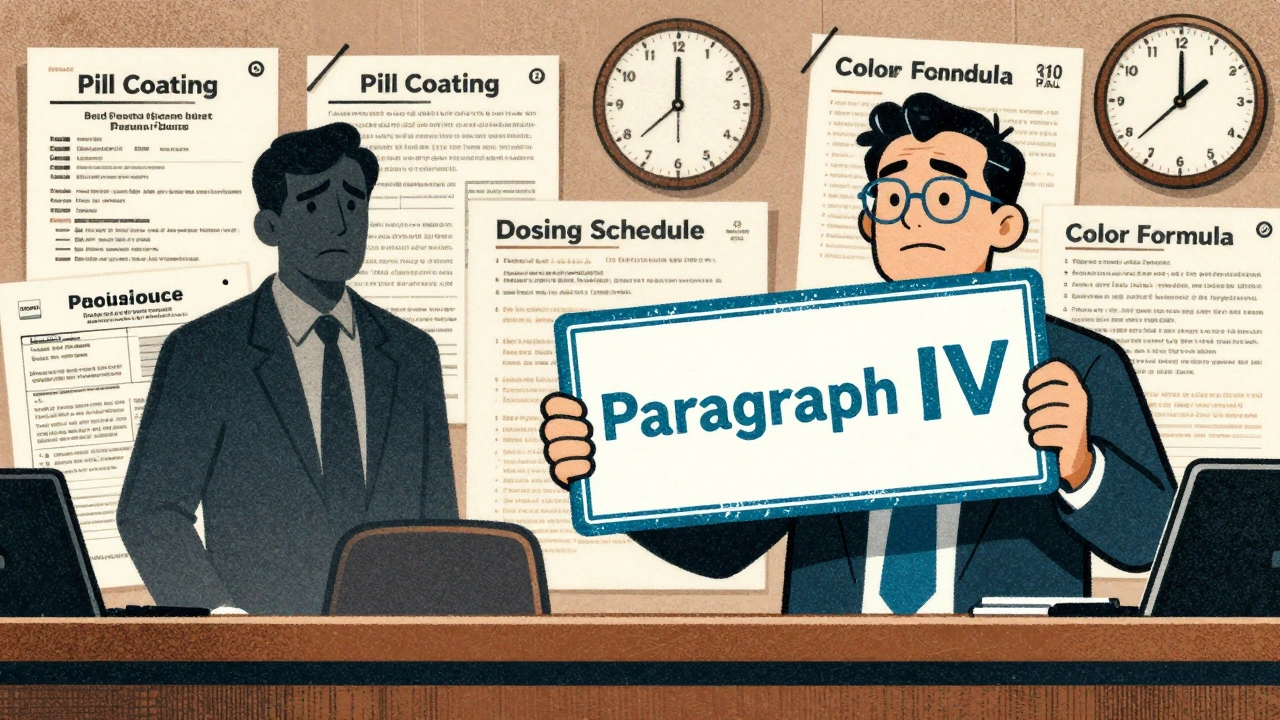
Paragraph IV certification under the Hatch-Waxman Act lets generic drugmakers challenge brand patents to speed up affordable drug entry. Learn how it works, why it succeeds, and how it saves patients billions.
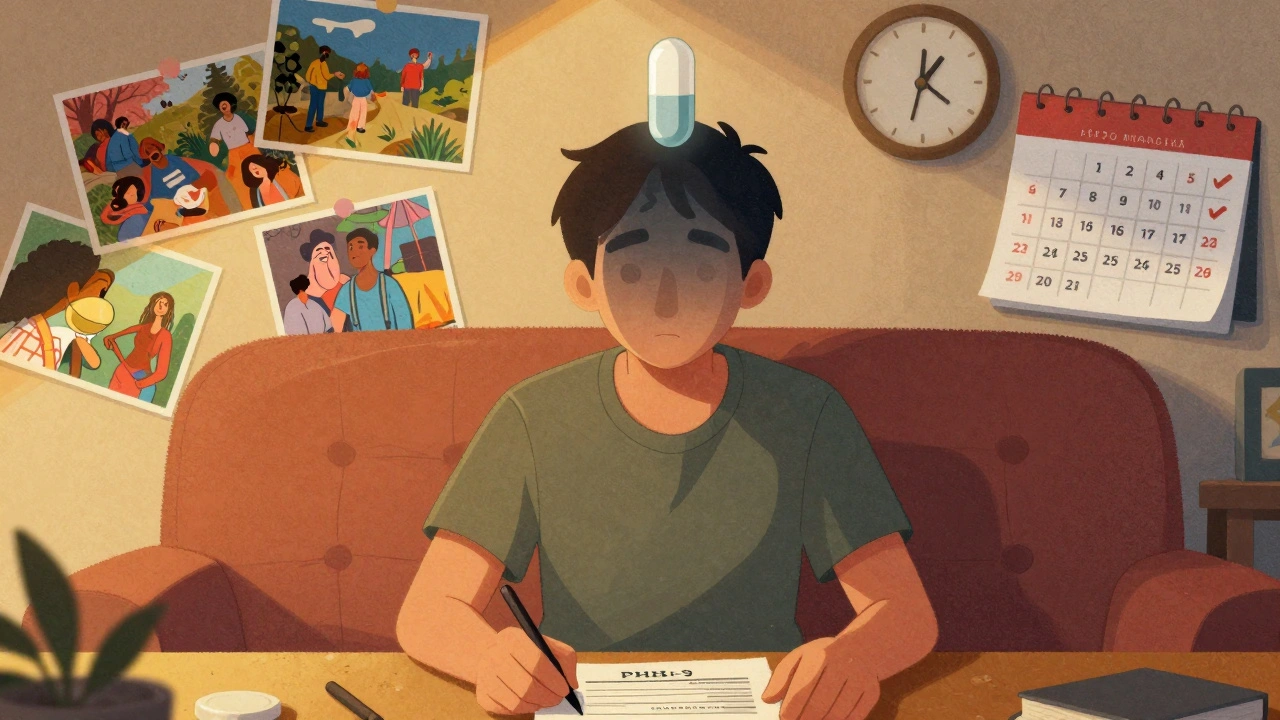
Opioids can trigger depression even when used as prescribed. Learn how mood changes happen, what signs to watch for, and how to break the cycle with proper monitoring and integrated care.
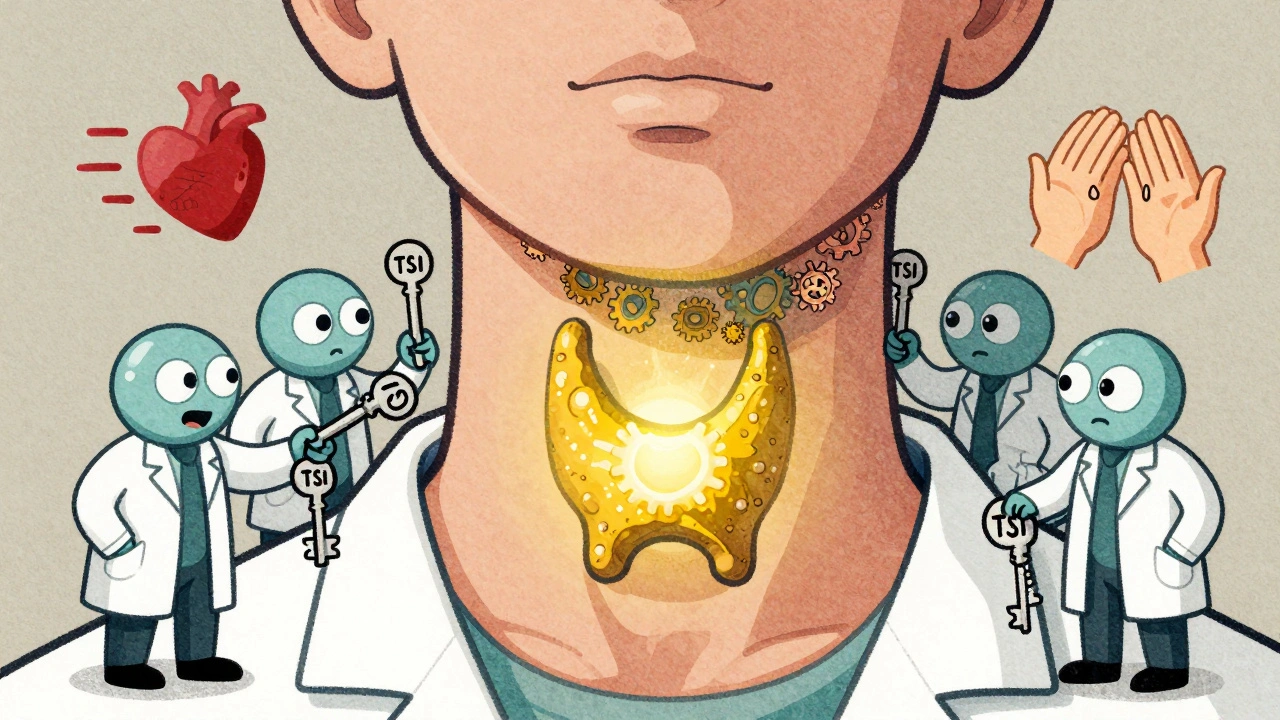
Graves' disease is an autoimmune disorder causing hyperthyroidism, with symptoms like weight loss, rapid heartbeat, and bulging eyes. Learn the three proven treatments - meds, radioactive iodine, and surgery - and what to expect after diagnosis.
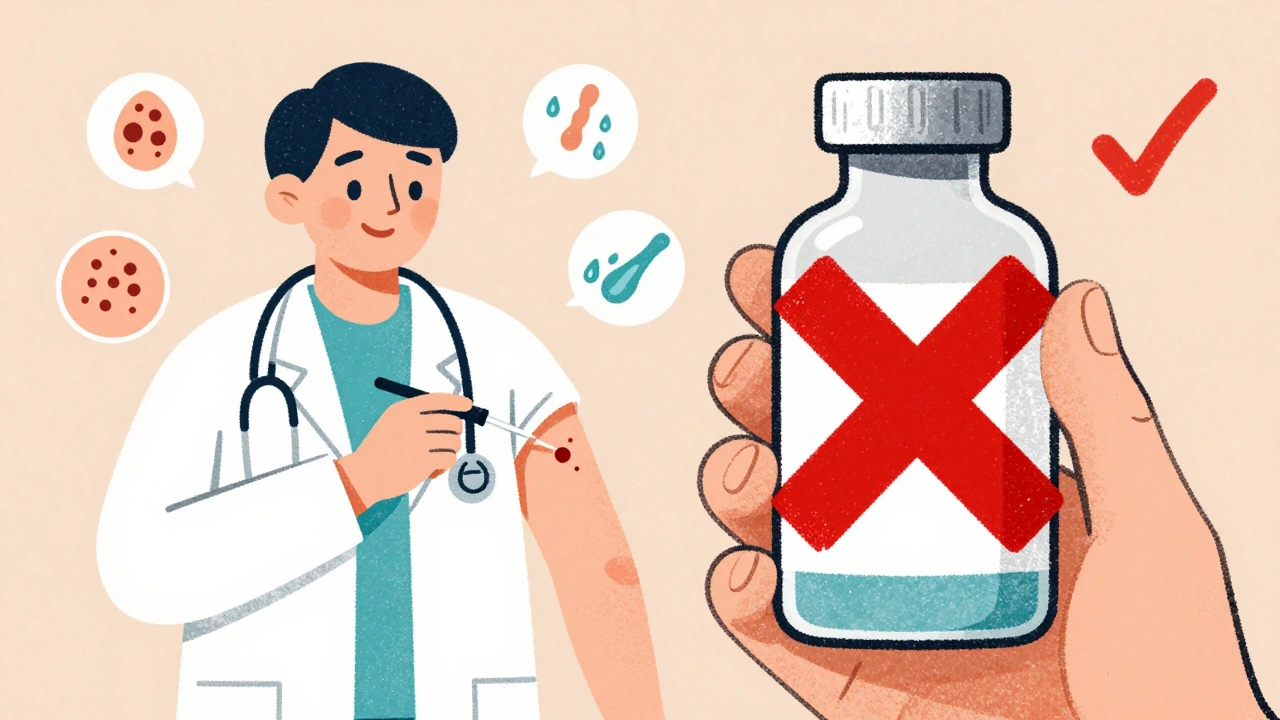
Most people labeled penicillin-allergic aren't truly allergic. Learn how skin testing and desensitization can safely restore access to effective antibiotics and NSAIDs-without unnecessary risks or costs.