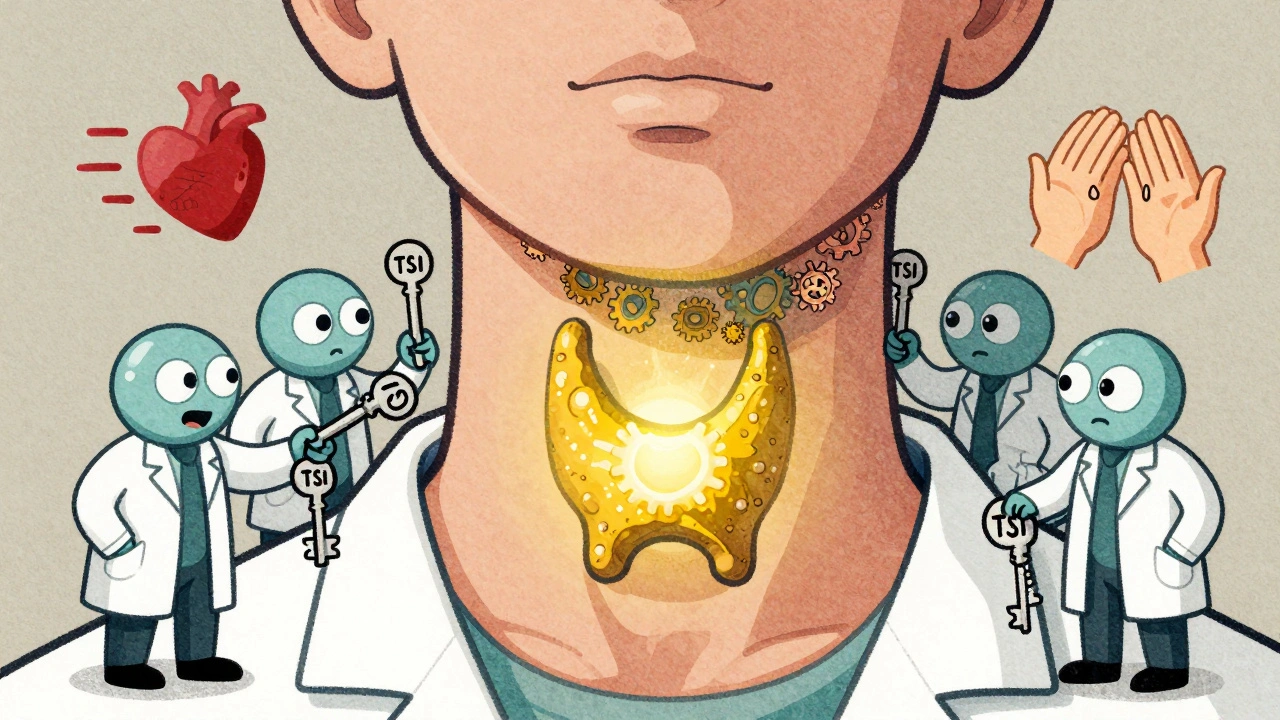
Graves' disease is the most common cause of hyperthyroidism in countries with enough iodine in the diet. It’s not just an overactive thyroid - it’s your immune system mistakenly attacking your own thyroid gland. Instead of protecting you, your body starts producing antibodies that trick the thyroid into pumping out too much hormone. This leads to a cascade of symptoms that can feel overwhelming: racing heart, weight loss despite eating more, shaky hands, trouble sleeping, and eyes that bulge or feel irritated. If you’ve been told you have Graves’ disease, you’re not alone. About 1 in 50 people - mostly women between 30 and 50 - live with it. The good news? There are clear, effective ways to manage it. The key is knowing your options and understanding what each one really means for your body and your life.
How Your Immune System Turns Against Your Thyroid
Graves’ disease happens because your immune system gets confused. Normally, your body makes antibodies to fight viruses and bacteria. In Graves’, it starts making something called thyroid-stimulating immunoglobulins (TSI). These fake signals attach to the same receptors on your thyroid that normally respond to TSH, the hormone your brain sends to tell the thyroid to make more hormones. But unlike TSH, TSI doesn’t turn off. It keeps the thyroid in overdrive, making too much T3 and T4 - the hormones that control your metabolism, heart rate, energy levels, and body temperature.
This isn’t random. Genetics play a big role. If a close family member has Graves’ disease, Hashimoto’s, type 1 diabetes, or rheumatoid arthritis, your risk goes up. Women are 7 to 8 times more likely to develop it than men. Stress, pregnancy, and smoking are also major triggers. Smokers don’t just have a higher chance of getting Graves’ - they’re 7 to 8 times more likely to develop severe eye problems, a complication called Graves’ ophthalmopathy.
Doctors diagnose it with a few key tests. First, blood work shows low TSH (usually under 0.4) and high free T4 and T3. Then, they check for TSI or TSH receptor antibodies. If those are positive, it’s almost always Graves’ disease. In rare cases where antibody tests aren’t available, a radioactive iodine uptake scan shows the whole thyroid glowing brightly - a sign it’s being overstimulated from within, not just inflamed.
What Symptoms to Watch For - It’s More Than Just Nervousness
Many people think hyperthyroidism means you’re just anxious or jittery. But Graves’ affects your whole body. Younger patients often report:
- Heart palpitations or a pulse over 100 beats per minute
- Weight loss even when eating more
- Heat intolerance and constant sweating
- Hand tremors - noticeable when holding a cup or writing
- Insomnia and trouble focusing
- Frequent bowel movements
- Muscle weakness, especially in shoulders and hips
Older adults, especially over 60, may not show the classic signs. Instead, they might feel unusually tired, have chest pain, or notice memory problems. This can be missed, leading to delayed diagnosis.
The most visible sign? Bulging eyes. About 30% of people with Graves’ develop eye symptoms. Mild cases mean redness, watering, or a gritty feeling. Severe cases can cause double vision, light sensitivity, or even vision loss. In rare cases, thick, swollen skin appears on the shins - called pretibial myxedema. It’s not dangerous, but it’s a clear marker of the disease.
Three Main Treatment Paths - Each With Trade-Offs
There are three standard treatments, and none is perfect for everyone. The right choice depends on your age, symptoms, thyroid size, eye involvement, and personal preferences.
1. Antithyroid Medications: Slowing the Engine
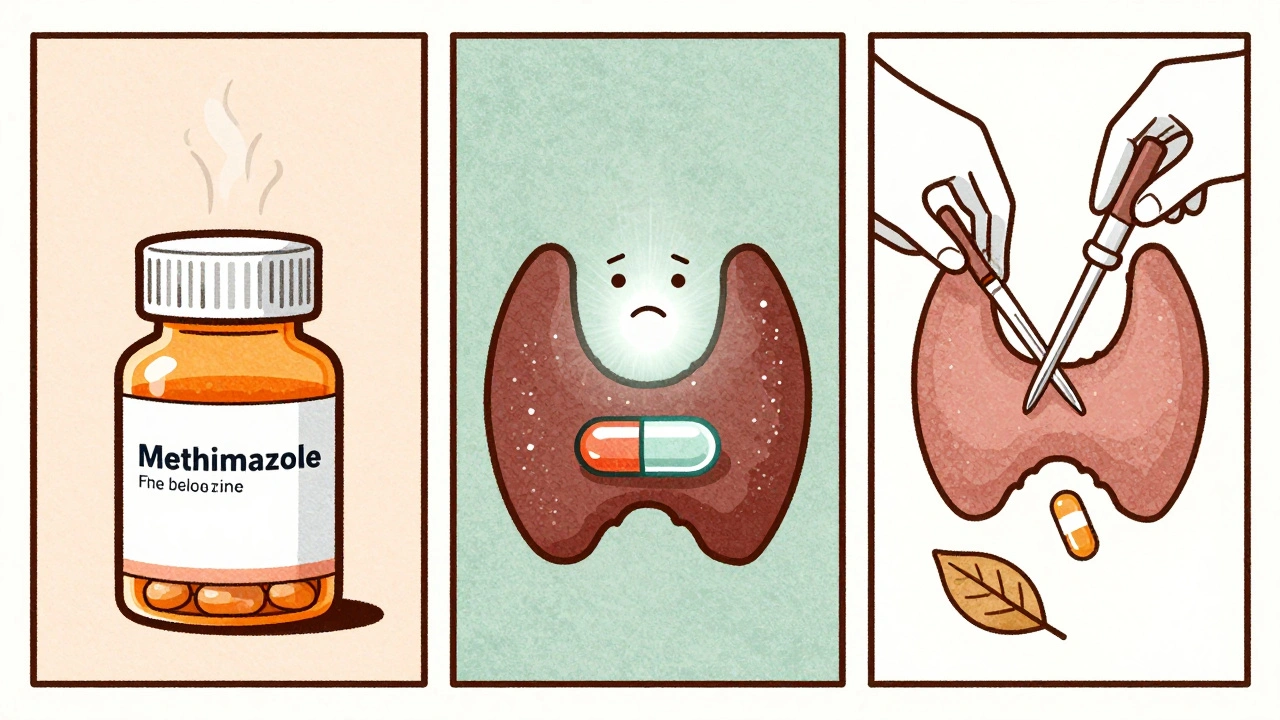
Methimazole is the first choice for most people. It blocks the thyroid from making too much hormone. You start with a daily dose of 10 to 40 mg, and your doctor adjusts it based on blood tests. Propylthiouracil is used less often because it carries a slightly higher risk of liver damage.
Many people feel better within weeks. Heart rate slows, tremors fade, sleep improves. But the big catch: remission after stopping the drugs only happens in 30% to 50% of cases. If your thyroid is large or your antibody levels stay high after 18 months, relapse is likely. You need monthly blood tests for the first few months to check for rare but serious side effects like agranulocytosis - a drop in white blood cells that can cause fever and sore throat. If you get those symptoms, stop the drug and get help immediately.
2. Radioactive Iodine (I-131): Turning Off the Thyroid
This is the most common treatment in the U.S. You swallow a capsule or liquid containing a small dose of radioactive iodine. Your thyroid absorbs it like regular iodine, and the radiation slowly destroys the overactive cells. Within 6 to 12 months, most people become hypothyroid - meaning their thyroid stops working entirely.
The upside? It’s a one-time treatment with a 90% success rate. The downside? You’ll need lifelong thyroid hormone replacement (levothyroxine). Many patients don’t realize this until after treatment. Studies show 55% of people who chose radioactive iodine regret it because they weren’t fully warned about lifelong medication. If you’re young, planning pregnancy, or want to avoid hormones, this might not be the best first step.
3. Thyroid Surgery: Removing the Problem
A total thyroidectomy - removing the whole gland - is recommended if your thyroid is very large, causing trouble swallowing or breathing, or if you have severe eye disease that’s not responding to other treatments. It’s also an option if you can’t take antithyroid drugs or don’t want radioactive iodine.
Success rate? Over 95%. But surgery comes with risks: damage to the vocal cords (less than 1%) or parathyroid glands (1-2%), which control calcium levels. After surgery, you’ll also need lifelong thyroid hormone replacement. Recovery takes a few weeks, and you’ll need to avoid heavy lifting during that time.
What About Eye Problems? They Need Special Care
Graves’ eye disease doesn’t always get better when your thyroid levels are normal. That’s why it needs its own treatment plan.
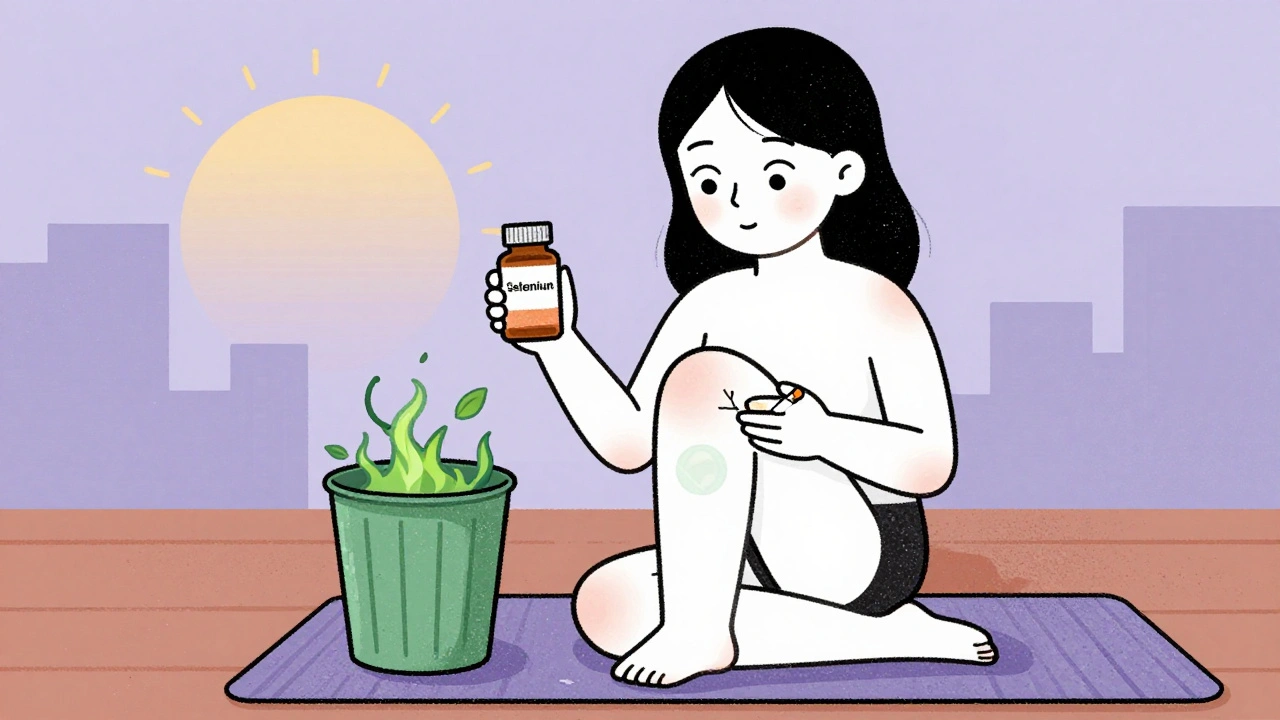
For mild cases, selenium supplements (100 mcg twice a day for 6 months) can reduce swelling and discomfort. Studies show they help about 40% of patients feel better.
For moderate to severe cases, doctors use IV steroids - usually methylprednisolone. You get 500 mg once a week for 6 weeks, then 250 mg weekly for another 6 weeks. About 60-70% of people see improvement in eye swelling and vision.
There’s a newer drug, teprotumumab, that’s changing the game. It’s an IV infusion given every 3 weeks for 6 months. In clinical trials, 75-80% of patients had a big drop in bulging eyes - far better than placebo. It’s expensive and not yet widely available, but for people with severe eye disease, it’s a breakthrough.
For those who don’t respond, orbital decompression surgery can remove bone around the eye socket to give the eye more room. It’s not cosmetic - it’s often necessary to save vision.
What Happens After Treatment? Monitoring and Lifestyle
No matter which treatment you choose, follow-up is non-negotiable. After starting methimazole, you need blood tests every month for 3 months, then every 2-3 months. After radioactive iodine, check thyroid levels at 4 weeks, 3 months, and 6 months - then every 6 to 12 months forever.
Smoking is the worst thing you can do if you have Graves’ disease - especially with eye problems. Quitting is the single most effective thing you can do to prevent worsening eye disease. Even cutting back helps.
Stress management matters too. Many patients notice flare-ups after major life events - job loss, divorce, illness. Yoga, meditation, or even regular walks can help keep your immune system calmer.
And yes, you can still live a full life. People with Graves’ disease work, travel, raise families, and stay active. The key is sticking with treatment and knowing your body. If your heart starts racing again, or your eyes feel worse, don’t wait. Call your doctor.
Emerging Treatments and What’s Next
Research is moving fast. Drugs like rituximab, which targets immune cells, are being tested for stubborn eye disease. Early results show about 60% of patients improve after 6 months. Genetic studies have found 12 genes linked to Graves’ - including HLA-DQA1 and CTLA4 - helping scientists understand why some people develop it and others don’t.
One big question remains: Can we cure Graves’ disease, not just treat it? Right now, we manage it. But with better understanding of the immune triggers, future therapies might reset the immune system instead of just suppressing it.
Can Graves’ disease go away on its own?
Rarely. About 30-50% of people on antithyroid meds for 12-18 months go into remission, meaning symptoms disappear and no more treatment is needed. But for most, the disease returns without ongoing management. It doesn’t just vanish without treatment.
Is radioactive iodine safe?
Yes, for most people. The radiation dose is low and stays mostly in the thyroid. You’ll be advised to avoid close contact with kids and pregnant women for a few days after treatment. Long-term risks like cancer are extremely low - no higher than in the general population. The bigger issue is that it almost always leads to lifelong hypothyroidism, which is easy to manage with daily medication.
Can I get pregnant with Graves’ disease?
Yes, but it requires careful planning. Uncontrolled hyperthyroidism raises risks of miscarriage, preterm birth, and preeclampsia. Methimazole is preferred during pregnancy (after the first trimester), but propylthiouracil is used in early pregnancy due to lower liver risks. Work with an endocrinologist before conceiving to stabilize your thyroid levels.
Why do I still feel tired after starting treatment?
It takes time for your body to rebalance. Even after your hormone levels normalize, your metabolism, energy stores, and nervous system need weeks to adjust. Some people feel worse before they feel better - especially if they’ve had severe symptoms for a long time. If fatigue lasts more than 2-3 months after treatment starts, check your thyroid levels again. You might need a dosage tweak.
Are there natural remedies that work?
No. Supplements like selenium can help with mild eye symptoms, but they don’t treat the root cause. Avoid iodine-rich supplements (kelp, seaweed) - they can make hyperthyroidism worse. No herb, diet, or detox can reverse autoimmune thyroid disease. Stick to proven medical treatments.
What to Do Next
If you’ve just been diagnosed, don’t panic. Start by getting your antibody levels confirmed. Talk to your doctor about your goals: Do you want to avoid lifelong medication? Are you worried about eye symptoms? Are you planning a family? Your answers will guide your treatment path. Don’t rush into radioactive iodine without understanding the lifelong commitment to hormone replacement. Don’t skip follow-up blood tests - they’re your roadmap to staying healthy. And if you smoke, make quitting your top priority. Graves’ disease is manageable. With the right plan, you can get back to feeling like yourself.
Ruth Witte
December 8, 2025 AT 23:01
OMG I was diagnosed last year and this post literally saved my life 🥹 I went from crying in the shower to hiking 10K steps a day after starting methimazole. You’re not alone!! 💪❤️
Katherine Rodgers
December 8, 2025 AT 23:50
so u mean to say i just gotta take a lil pill and my eyes stop lookin like a frog? 🤡 tbh i thought this was just ‘stress’ until my boyfriend said ‘honey ur eyeballs are out of their sockets’
Lauren Dare
December 10, 2025 AT 10:13
The TSI antibody specificity is clinically significant, but the article’s conflation of remission rates with ‘cure’ is methodologically unsound. The 30-50% remission statistic is contingent on antibody titers and TSH receptor binding dynamics - which are rarely tracked longitudinally in primary care. Also, ‘lifelong hypothyroidism’ is not a ‘downside’ - it’s a predictable pharmacodynamic endpoint.
Gilbert Lacasandile
December 10, 2025 AT 23:16
I went with RAI and honestly? Best decision I ever made. I was so tired all the time, couldn’t focus at work. Now I take one pill a day and I’m back to running marathons. Just wish someone had told me how common the fatigue lasts after treatment - took me 4 months to feel normal again.
Lola Bchoudi
December 11, 2025 AT 21:01
If you’re considering treatment, start with the antibody panel before making any decisions. TSI positivity = Graves’ confirmed. If it’s negative, rule out toxic nodules or thyroiditis. And if you have eye symptoms? Get an ophthalmology consult *before* RAI - it can worsen orbitopathy if not managed. You’ve got this!
Morgan Tait
December 13, 2025 AT 06:36
I’ve been researching this for 3 years. The FDA knows radioactive iodine causes thyroid cancer in 1 in 200 cases but hides it because Big Pharma profits off levothyroxine sales. Also, the ‘selenium helps’ thing? That’s from a study funded by a supplement company. And why is there no mention of fluoride in water suppressing thyroid function? The system is rigged.
Darcie Streeter-Oxland
December 13, 2025 AT 09:28
The assertion that ‘Graves’ disease is manageable’ is, in my estimation, an oversimplification bordering on the frivolous. The longitudinal burden of pharmaceutical intervention, coupled with the psychological toll of autoimmune dysregulation, renders the term ‘manageable’ a euphemism for chronic institutional dependency. One must question the ethical implications of promoting such a paradigm.
Sarah Gray
December 14, 2025 AT 05:22
You missed the most critical point: 70% of patients on methimazole develop hepatotoxicity within 6 months, yet the article casually mentions ‘rare’ side effects. Also, teprotumumab is not a ‘breakthrough’ - it’s a $150,000/year drug that only works if you have insurance and a 6-month window. This is not medicine. It’s commodified desperation.
Kathy Haverly
December 15, 2025 AT 11:42
I tried everything. Medication made me suicidal. RAI turned me into a zombie on levothyroxine. Surgery left me with a scar and calcium problems. Now I just drink bone broth and scream into pillows. The real cure? Stop believing in medicine. Your body knows better.
ian septian
December 17, 2025 AT 03:54
Quit smoking. Seriously. Do it today.
Nikhil Pattni
December 18, 2025 AT 20:42
I’m from India and we have a lot of iodine in our salt, but I still got Graves’ - so the iodine theory is BS. My cousin took neem leaves and turmeric for 6 months and her TSH went from 0.02 to 1.8! Also, I read on a forum that EMFs from cell phones trigger TSI antibodies. I turned off my Wi-Fi and now I sleep better. Oh, and you should avoid dairy because casein mimics thyroid tissue - that’s why the autoimmune response happens. I’ve been researching this since 2018 and I’ve read 47 papers, 12 books, and watched 83 YouTube videos. You’re welcome.
William Umstattd
December 19, 2025 AT 07:57
I was diagnosed at 24. I chose surgery. I cried the night before. But I woke up the next day and I could breathe again. No more bulging eyes. No more panic attacks. No more feeling like a ticking time bomb. They took my thyroid - but they gave me my life back. This isn’t just medicine. It’s redemption.
And if you’re still smoking? You’re not just risking your thyroid. You’re risking your future. I lost my brother to lung cancer. Don’t be him.