FDA Generic Approval: What It Really Means for Your Medications
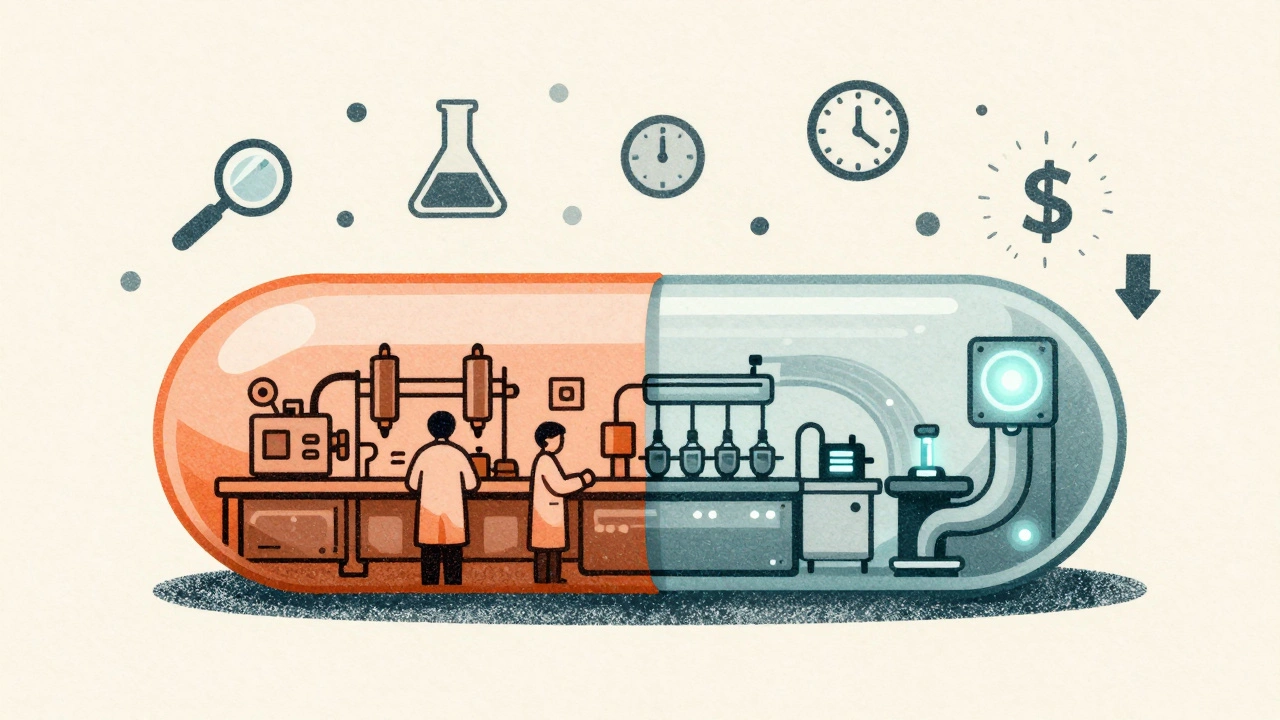
When you see FDA generic approval, the process by which the U.S. Food and Drug Administration confirms a generic drug is identical in active ingredient, strength, dosage form, and route of administration to the brand-name version. Also known as ANDA approval, it’s the legal green light that lets pharmacies swap out expensive brand drugs for cheaper copies without risking your health. This isn’t just paperwork—it’s a system built on science, not guesswork. The FDA doesn’t approve generics because they’re cheap. They approve them because they’ve proven they do the exact same job in your body as the original.
Behind every approved generic is a mountain of data. Companies must prove their version is bioequivalent, a technical term meaning the generic releases the same amount of active drug into your bloodstream at the same rate as the brand-name version. That’s not theory—it’s measured in real people through blood tests. If the levels are within 80–125% of the brand, it passes. No wiggle room. No exceptions. And it’s not just about the pill’s contents. The FDA checks how it’s made, where it’s made, and even how it breaks down in your stomach. A generic made in India or the U.S. has to meet the same standard.
Some people worry that generics look different or have different fillers. That’s fine. The FDA only cares about the active ingredient doing its job. The color, shape, or inactive ingredients don’t matter unless they cause a reaction. That’s why you might see a white oval pill one month and a blue capsule the next—same drug, same effect. But if you’ve had a reaction to a specific generic before, tell your pharmacist. Not all generics are made the same way, even if they’re all approved.
And it’s not just about saving money. Generic approval keeps the system running. When a brand drug’s patent expires, generics flood in and prices drop by 80–90%. That’s how millions of people afford their meds. But approval doesn’t mean automatic safety. The FDA tracks problems after approval through its FAERS database, the public system where doctors, patients, and companies report side effects and issues with any drug, brand or generic. If a batch of generics starts causing more problems than the brand, the FDA investigates. It’s not perfect, but it’s active.
What you’ll find in these posts are real stories from patients who switched to generics, pharmacists who explain the science, and providers who’ve seen both wins and rare failures. You’ll learn how to talk to your doctor about switching, what to watch for if your meds suddenly feel different, and why some generics work better for some people than others. This isn’t about trusting or doubting generics. It’s about understanding what’s really behind that lower price tag—and how to make sure it works for you.