Drug Desensitization: What It Is and How It Helps Allergic Patients
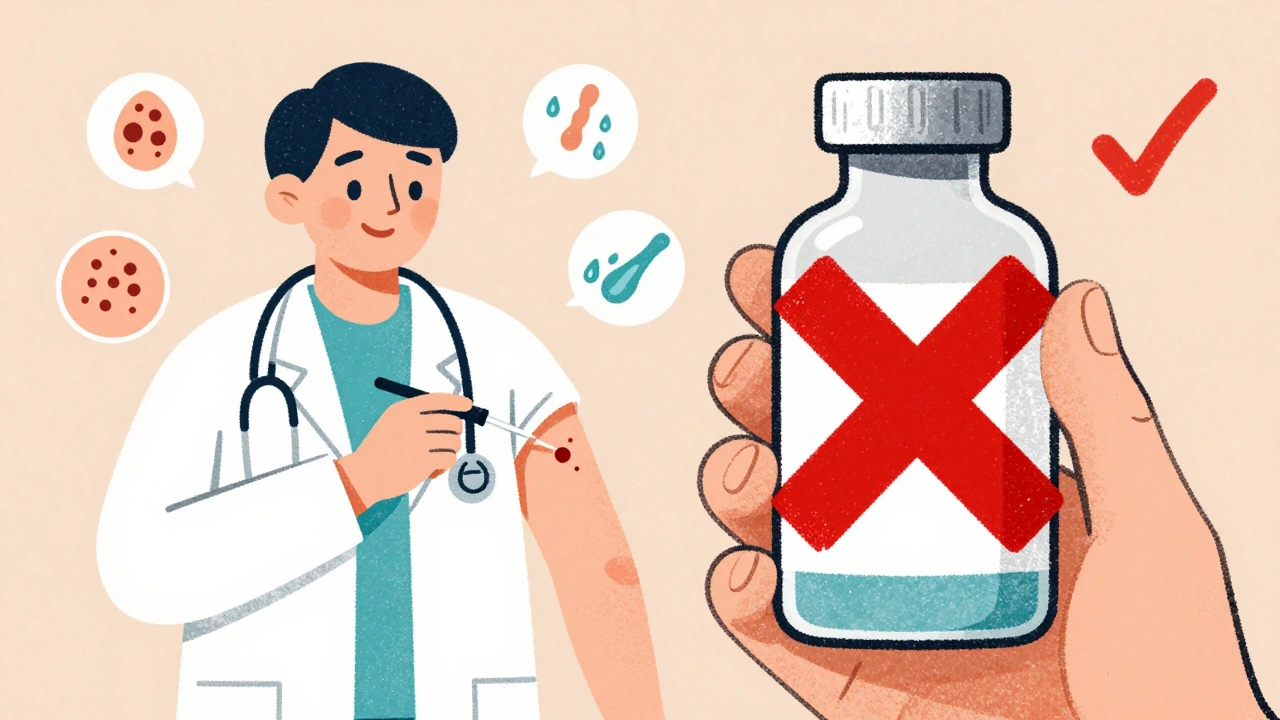
When your body reacts badly to a medicine you need, drug desensitization, a controlled medical process that gradually introduces a medication to build tolerance in allergic patients. Also known as therapeutic tolerance induction, it’s not a cure—but it can be the only way to get life-saving drugs like chemotherapy, antibiotics, or insulin when you’re allergic. This isn’t about taking smaller doses. It’s about slowly increasing exposure under strict supervision, letting your immune system adjust without triggering a dangerous reaction.
People who need drug desensitization often have no alternatives. For example, someone allergic to penicillin might need it to treat a severe infection. Or a cancer patient might react to carboplatin but has no other effective treatment. In these cases, hypersensitivity isn’t a reason to avoid the drug—it’s a problem to solve with structure. The process usually starts with a tiny fraction of the full dose, given over minutes or hours, then slowly increased. Medical teams monitor heart rate, breathing, and skin reactions closely. Most reactions happen early, so the whole thing takes place in a hospital or clinic with emergency tools ready.
It’s not for everyone. If you’ve had a life-threatening reaction like anaphylaxis or Stevens-Johnson syndrome, your doctor will weigh risks carefully. But for many, it’s the difference between getting treatment and going without. medication tolerance built this way can last days or weeks—enough to finish a course of antibiotics or a round of chemo. After that, you’re usually back to square one, meaning you’d need to repeat the process if the same drug is needed again later.
You’ll find real stories here: how someone with a penicillin allergy safely got surgery antibiotics, how a patient with a severe reaction to monoclonal antibodies completed cancer treatment, and why some people develop tolerance while others don’t. We’ll also cover how this ties into broader issues like drug intolerance, why some reactions are mistaken for allergies, and what happens when hospitals run out of alternatives. These aren’t theoretical cases—they’re from clinics, ERs, and pharmacy records. What you’ll read below is what actually works, what goes wrong, and how patients and providers navigate the messy reality of drug allergies in modern medicine.