Antibiotics save lives. But for many people, taking them feels like trading one problem for another. Nausea. Diarrhea. Upset stomach. Fatigue. These side effects are common - and they’re why nearly one in three people stop their antibiotics early. That’s not just inconvenient. It’s dangerous. Stopping early helps bacteria survive, adapt, and become resistant. The result? Harder-to-treat infections, longer hospital stays, and even deadlier diseases down the line.
Why You Must Finish Your Antibiotic Course
It’s a myth that you can stop antibiotics once you feel better. That’s what most people think - and it’s why 43% of antibiotic courses are never completed. But here’s the truth: when you stop early, you’re not killing all the bacteria. You’re killing the weak ones. The strong ones? They live. They multiply. And they pass on their resistance to future generations of bacteria. The CDC and Infectious Diseases Society of America both say: finish the full course, no matter how you feel. Why? Because the symptoms you’re feeling - the fever, the cough, the pain - are signs your body is fighting. The antibiotics are doing their job. Stopping early doesn’t make you feel better faster. It just makes future infections harder to treat.Most Common Antibiotic Side Effects (and What to Do)
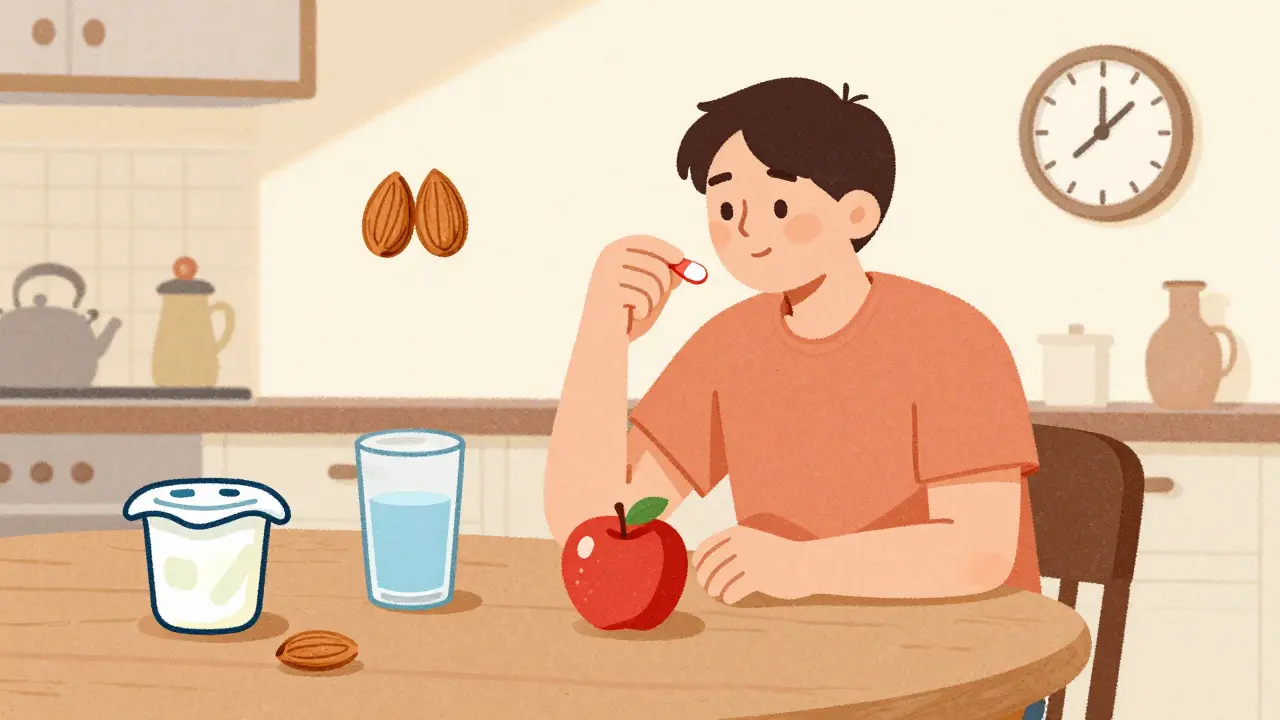
Not all side effects are the same. Some are annoying. Others are warning signs. Here’s what most people actually experience, and how to handle it without quitting.- Nausea and vomiting - Affects about 23% of users. Take your antibiotic with a small, protein-rich snack - like a boiled egg, a spoonful of Greek yogurt, or a few almonds. Avoid heavy, greasy meals. They make nausea worse. Avoid taking antibiotics like doxycycline on an empty stomach - but don’t take them with dairy if you’re on tetracycline. That blocks absorption.
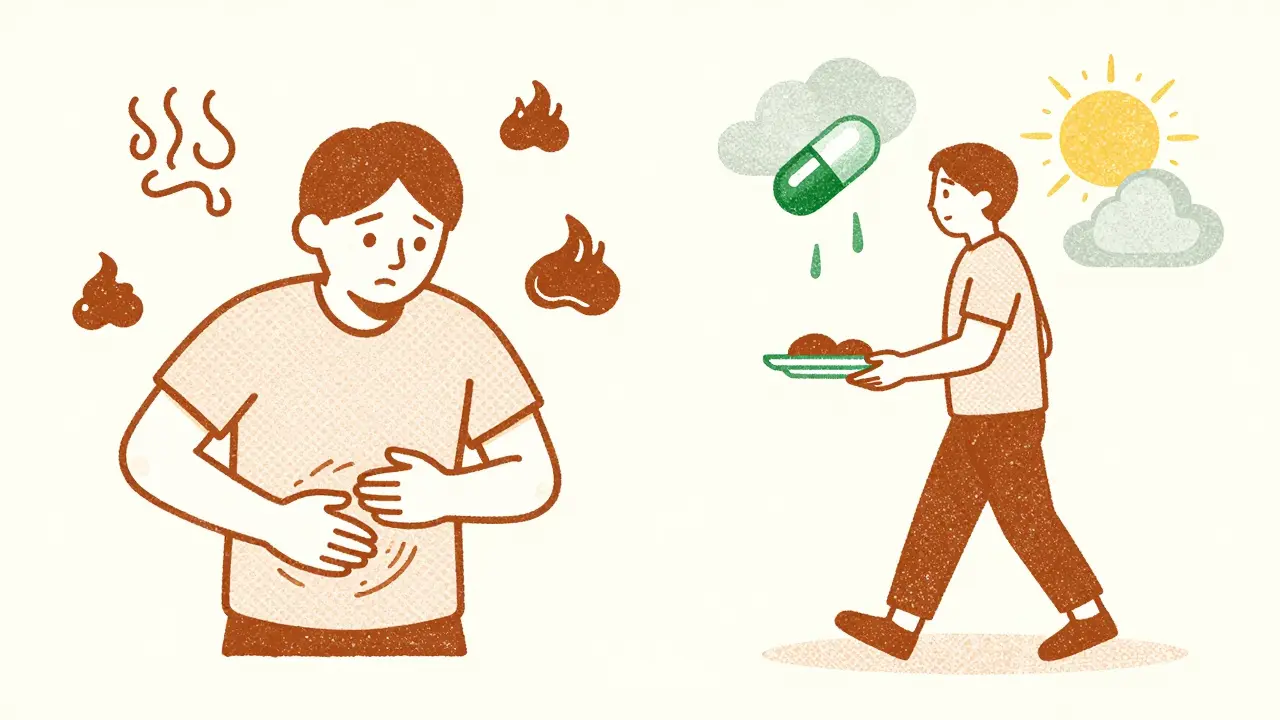
- Diarrhea - Happens in 25% of cases. Mild diarrhea is normal. It means your gut bacteria are out of balance. But if it’s watery, bloody, or lasts more than 48 hours after you finish the course, call your doctor. That could be C. diff, a serious infection. For mild cases, try probiotics with Lactobacillus rhamnosus GG - proven to cut antibiotic diarrhea by half. Unsweetened yogurt works too. Avoid sugary yogurts. Sugar feeds bad bacteria.
- Bloating and gas - Common with broad-spectrum antibiotics. Eat smaller meals. Avoid beans, broccoli, and carbonated drinks. A gentle walk after eating helps move things along.
- Loss of appetite - Your body is fighting infection. It’s okay if you don’t feel hungry. Focus on fluids and easy-to-digest foods: broth, rice, bananas, toast. Don’t force food. Your appetite will return.
- Photosensitivity - Tetracyclines like doxycycline make your skin burn faster. Use SPF 30+ sunscreen with both UVA and UVB protection. Reapply every 2 hours if you’re outside. Wear a hat. Avoid tanning beds. This isn’t optional - it’s a burn risk.
- Esophageal irritation - Doxycycline can get stuck in your throat and cause painful sores. Always take it with a full glass of water (8 oz). Sit upright. Don’t lie down for at least 30 minutes. Never take it right before bed.
When to Call Your Doctor (Red Flags)
Not every side effect needs panic. But some do. These are signs you need help now:- Bloody or mucus-filled diarrhea
- Severe abdominal cramps
- Uncontrollable vomiting
- Difficulty breathing or throat tightness
- Hives, swelling of face or tongue
- Severe skin rash or peeling
- Joint pain or tendon rupture (especially with fluoroquinolones like ciprofloxacin)
How Your Doctor and Pharmacist Can Help
You’re not alone in this. Doctors and pharmacists are trained to help you stay on track. A 2022 study showed that when pharmacists give you a 5-minute counseling session about side effects, you’re 28% more likely to finish your course. They’ll tell you:- Which antibiotics to take with food
- Which ones need an empty stomach
- What foods or supplements to avoid (like calcium, iron, or antacids with doxycycline)
- Which probiotics actually work
Real Strategies That Work - From Real Patients
Reddit’s r/antibiotics community has over 28,000 members sharing what actually helps. The top-rated tip? “Take doxycycline with an apple and wait an hour before lying down.” It’s simple. It works. The apple gives enough bulk to settle your stomach. The waiting prevents the pill from irritating your throat. Another top tip: “I took amoxicillin with a handful of almonds. No nausea. No problems.” Protein and fat help buffer the stomach. Avoid sugar. It makes inflammation worse. A nurse on the CDC’s Get Smart blog wrote: “I tell patients: Mild diarrhea? Normal. Bloody stool? Emergency.” That’s the line between managing and panicking.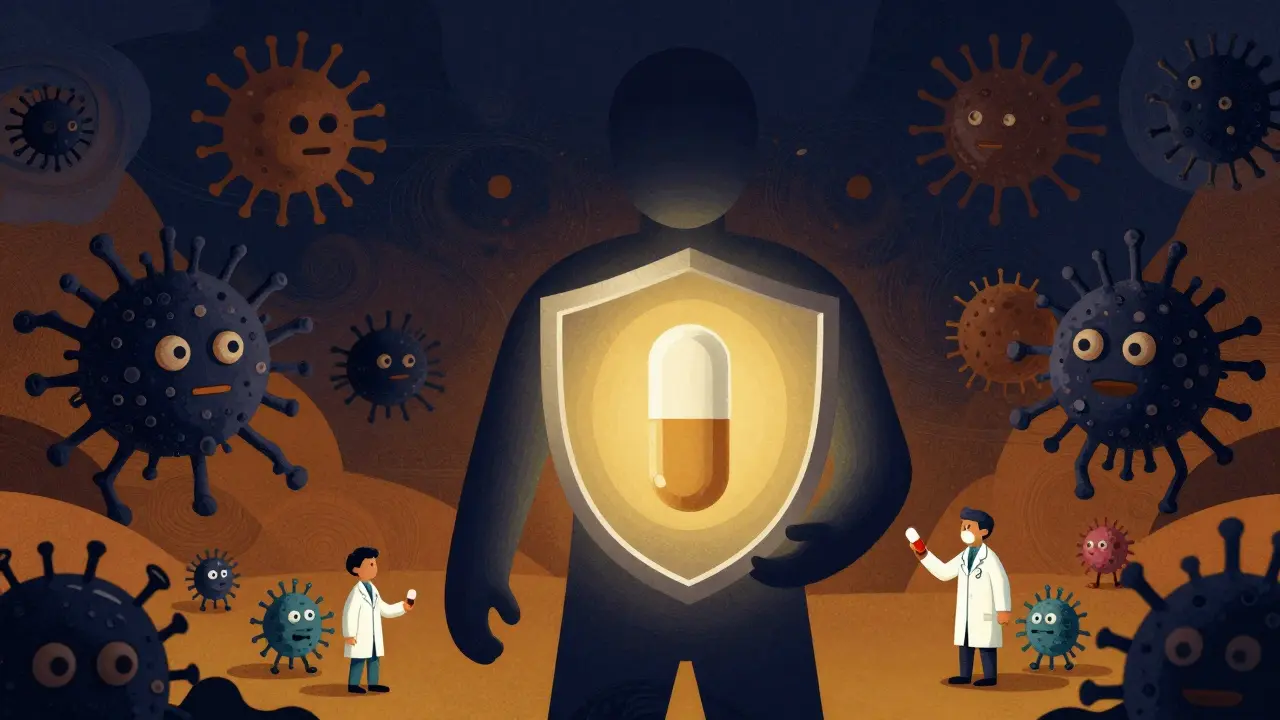
What Not to Do
Avoid these common mistakes:- Don’t take antibiotics with milk or calcium-rich foods - unless your doctor says it’s okay. Calcium binds to tetracyclines and makes them useless.
- Don’t skip doses to “feel better faster” - It doesn’t work. It just makes resistance worse.
- Don’t save leftover antibiotics - They won’t work for your next cold. They might make your next infection untreatable.
- Don’t take someone else’s antibiotics - Even if their symptoms sound the same. Your infection is different.
The Bigger Picture: Why This Matters
Every time you stop an antibiotic early, you’re not just risking your own health. You’re helping create superbugs. Antibiotic resistance kills over 1.2 million people globally each year. The CDC says it costs the U.S. healthcare system $20 billion annually. The good news? We know how to fix this. Countries with national programs that teach patients how to manage side effects have 22% higher treatment completion rates. The CDC’s new “Antibiotic Side Effect Navigator” tool gives personalized advice based on your antibiotic, age, and health history. And new probiotics like Lactobacillus reuteri NCIMB 30242 are now FDA-approved specifically for preventing diarrhea from antibiotics. This isn’t just about taking pills. It’s about protecting the medicines we still have.What to Do Next
If you’re on antibiotics right now:- Read the patient information sheet that came with your prescription. It’s not junk - it’s your guide.
- Ask your pharmacist: “What side effects should I expect? How do I prevent them?”
- Keep a simple log: “Day 1: Took with apple. No nausea. Diarrhea: mild.”
- Use probiotics with Lactobacillus rhamnosus GG - daily, starting the same day as your antibiotic.
- If you see red flag symptoms, call your doctor - don’t wait.
- Finish the full course. Even if you feel fine on day 5.
Can I stop antibiotics if I feel better before finishing the course?
No. Feeling better doesn’t mean all the bacteria are gone. Stopping early leaves behind the strongest, most resistant bacteria. These can multiply and cause a worse infection later. It also contributes to antibiotic resistance, making future infections harder to treat. Always finish the full course unless your doctor tells you otherwise.
What should I eat when taking antibiotics to reduce side effects?
Eat light, protein-rich snacks like Greek yogurt, boiled eggs, or a handful of almonds. These help buffer your stomach without interfering with absorption. Avoid high-sugar foods, fatty meals, and dairy (unless your antibiotic allows it). For doxycycline, take it with an apple and wait an hour before lying down. For amoxicillin, food is usually fine. Always check your specific antibiotic’s instructions.
Is diarrhea normal with antibiotics?
Mild diarrhea is common - it affects about 1 in 4 people taking antibiotics. It’s caused by disruption of your gut bacteria. But if it’s watery, bloody, contains mucus, or lasts more than 48 hours after finishing your course, it could be C. diff, a serious infection. Call your doctor immediately if you have fever, severe cramps, or bloody stools.
Can probiotics help with antibiotic side effects?
Yes. Probiotics with Lactobacillus rhamnosus GG have been shown in clinical trials to reduce antibiotic-associated diarrhea by 50%. Take them daily, starting the same day as your antibiotic. Look for products with at least 10 billion CFUs. Unsweetened yogurt also helps. Avoid sugary yogurts - sugar feeds harmful bacteria. Don’t take probiotics at the same time as your antibiotic - space them 2-3 hours apart.
Can antibiotics cause allergic reactions?
Yes, but they’re rare - affecting 1-10% of users. Signs include hives, swelling of the face or throat, wheezing, or difficulty breathing. If you experience any of these, stop the antibiotic and seek emergency care immediately. Don’t assume it’s just a rash. Allergic reactions can escalate quickly. If you’ve had a reaction before, tell every doctor and pharmacist.
Why does doxycycline hurt my throat?
Doxycycline can get stuck in your esophagus and cause irritation or even ulcers. Always take it with a full glass of water (8 oz). Sit upright when you swallow it. Don’t lie down for at least 30 minutes afterward. Never take it right before bed. If you feel pain or difficulty swallowing after taking it, contact your doctor.
How can I tell if my side effects are normal or dangerous?
Mild nausea, bloating, or loose stools are normal. But if you have bloody stool, severe pain, vomiting you can’t control, trouble breathing, hives, or a rash that spreads, these are red flags. These could mean a serious reaction or infection like C. diff. Don’t wait. Call your doctor or go to urgent care.
Can I drink alcohol while taking antibiotics?
For most antibiotics, moderate alcohol is safe - but it can make side effects like nausea, dizziness, or fatigue worse. With metronidazole or tinidazole, alcohol can cause severe reactions like vomiting, rapid heartbeat, and flushing. Always check your specific antibiotic. When in doubt, avoid alcohol until you’re done.
Jeanette Jeffrey
December 27, 2025 AT 07:12
Oh wow, another ‘just finish your antibiotics’ sermon. Like, congrats, you read the CDC pamphlet. But have you ever tried taking doxycycline on an empty stomach at 5 AM before a 12-hour shift? Nah. You just type from your couch with a latte. I threw up twice and still finished the script. No thanks to your ‘protein snack’ advice. My stomach isn’t a goddamn buffet.
Shreyash Gupta
December 27, 2025 AT 15:06
bro i took amoxicillin with ice cream 🍦 and still got diarrhea but hey at least i was happy 😅
Michael Bond
December 28, 2025 AT 01:23
Finish the course. Always. No exceptions.
Kuldipsinh Rathod
December 28, 2025 AT 06:23
Man, I was scared to take mine after my cousin got C. diff. But I followed the apple + wait an hour trick from Reddit. No nausea, no drama. Just took it with breakfast and walked after. Seriously, it works. Thanks for the real talk.
Matthew Ingersoll
December 29, 2025 AT 12:36
Antibiotic resistance isn't just a medical issue. It's a cultural one. We treat pills like candy. Pop one, feel better, toss the rest. That mindset is why we're heading toward a post-antibiotic world. This isn't about discipline. It's about collective survival.
carissa projo
December 30, 2025 AT 23:49
Let’s be real - your body isn’t broken because you feel gross on antibiotics. It’s *rewiring*. The good bugs are getting kicked out, the bad ones are panicking, and your gut is throwing a tantrum. That’s not failure - that’s biology doing its messy, beautiful job. Be gentle with yourself. Eat the almonds. Walk. Breathe. You’re not just surviving this course - you’re rebuilding your inner ecosystem. And that’s kind of magical.
josue robert figueroa salazar
December 31, 2025 AT 17:19
Stop taking them. The system is rigged. Pharma wants you addicted. They don’t care if you live or die. Just keep buying pills.
david jackson
January 2, 2026 AT 05:02
Okay so picture this: you’re on day three of doxycycline, your throat feels like you swallowed a cactus, your stomach is doing backflips, and your dog is staring at you like you’re the reason the world is ending. You think, ‘Maybe I should just stop.’ But then you remember - every time you stop, you’re not just letting bacteria win. You’re handing them a trophy. A golden, antibiotic-resistant, superbug trophy. And now they’re laughing at you from the petri dish. So you drink your water. You sit upright. You eat the damn apple. And you keep going. Because if you don’t, who will? The next person? Maybe. But right now? It’s you. And you’re stronger than your nausea.
Joanne Smith
January 3, 2026 AT 03:14
Wow. So you’re telling me the one thing I didn’t do right was eat yogurt with sugar? And now I’m the reason antibiotic resistance is a global crisis? Cute. I’ll just go cry into my unsweetened probiotic now. 🙃
Prasanthi Kontemukkala
January 5, 2026 AT 02:54
I had a bad reaction to amoxicillin last year - rash, fever, the works. I panicked and stopped. Turns out it was just a virus, not bacteria. But I still felt guilty. So this time, I talked to my pharmacist before even opening the bottle. She told me exactly what to expect and how to handle it. I didn’t feel alone. That’s what matters. Knowledge is comfort.
Alex Ragen
January 5, 2026 AT 08:20
It’s fascinating - and profoundly tragic - how the modern medical-industrial complex has reduced the sacred act of healing to a series of algorithmically optimized, commercially incentivized behavioral nudges. One must ask: Are we truly managing side effects… or are we being managed? The very language of ‘finish your course’ implies obedience, not autonomy. And yet - I suppose, pragmatically, I’ll still take the apple.
Lori Anne Franklin
January 6, 2026 AT 17:34
ok so i took my antibiotic with a peanut butter sandwich and it was like magic no nausea at all 🤯 i thought it was gonna kill me but now i feel like a superhero