CMC Changes: What You Need to Know About Pharmaceutical Modifications
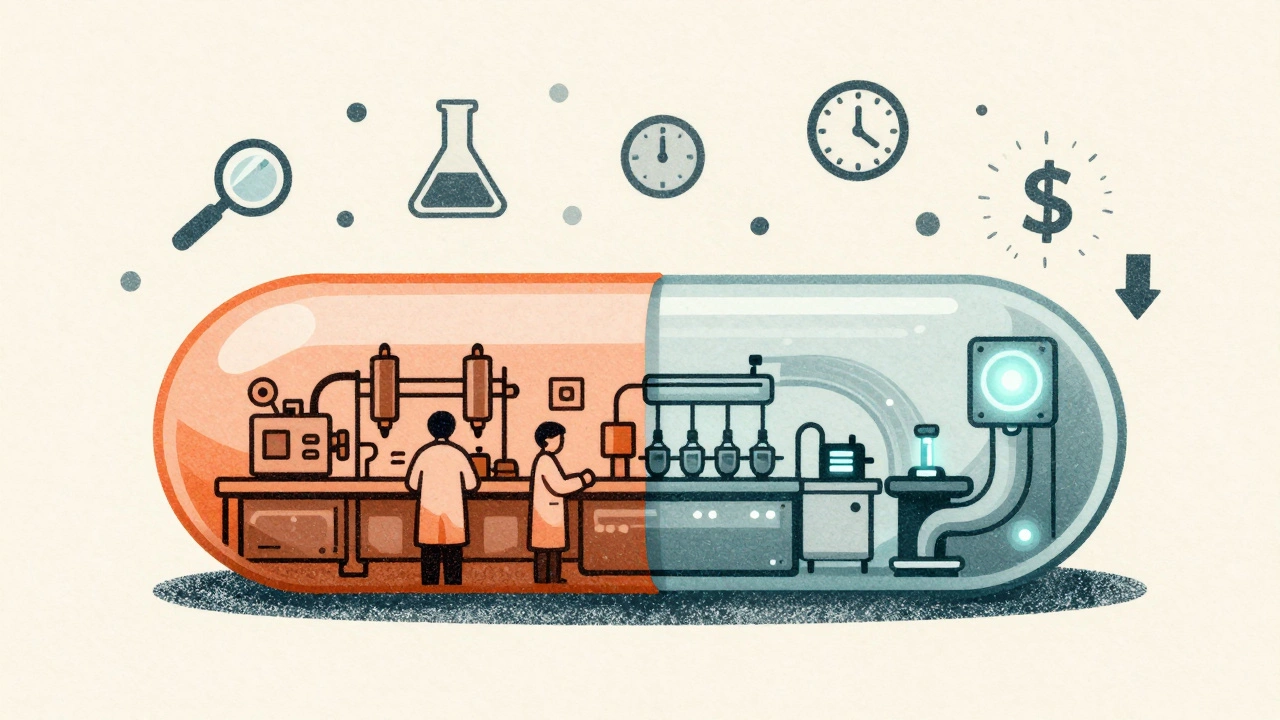
When a drug’s formula, manufacturing process, or packaging shifts—even slightly—it’s called a CMC change, a regulatory term for Chemical, Manufacturing, and Control modifications to pharmaceutical products. Also known as pharmaceutical process changes, these updates are tracked by agencies like the FDA and EMA because even small tweaks can impact how safe or effective a medicine is. You might not see the change on the label, but behind the scenes, the pill you take could now come from a different factory, use a new binder, or be packaged in a different material. These aren’t random updates—they’re carefully reviewed to make sure the drug still works the same way.
CMC changes often happen when a company switches suppliers, improves production efficiency, or moves to a new facility. For example, if a tablet used to be made with cornstarch and now uses rice starch, that’s a CMC change. Or if the drug is now filled into vials using automated machines instead of manual labor, that’s another. These shifts matter because they can affect how the drug dissolves in your body, how long it lasts, or even how stable it is on the shelf. The drug formulation, the exact mix of active ingredients and inactive components that make up a medicine must stay consistent. Even tiny differences in particle size or coating can change absorption rates. That’s why regulators require data proving the new version performs just like the old one—no guessing allowed.
Not all CMC changes are equal. Some are minor and need just a quick notice. Others—like changing the active ingredient’s source or adding a new manufacturing step—require full studies, clinical data, and months of review. This is why you sometimes see delays in drug supplies: a factory upgrade or a new supplier approval can hold up shipments until the paperwork clears. regulatory compliance, the process of meeting government standards for drug safety, quality, and consistency isn’t just bureaucracy—it’s what keeps you safe when you take a generic version of a brand-name drug. You expect it to work the same, and CMC rules make sure it does.
Behind every pill, injection, or inhaler is a long chain of controlled steps. A CMC change can ripple through that chain—impacting stability testing, packaging materials, storage conditions, and even how the drug is shipped. That’s why hospital pharmacists and home health providers pay attention to these updates: if the drug looks different or behaves differently, it’s not a mistake—it’s a documented change. And when you read about drug shortages or recalls, CMC issues are often part of the story.
What you’ll find in the posts below are real-world examples of how these changes affect patients and providers—from how generic drugs are approved in Europe, to why a small shift in manufacturing can lead to unexpected side effects, and how regulators decide what’s safe to change without retesting the whole drug. These aren’t theoretical discussions. They’re the quiet, critical updates that keep your medicine working—exactly as it should.