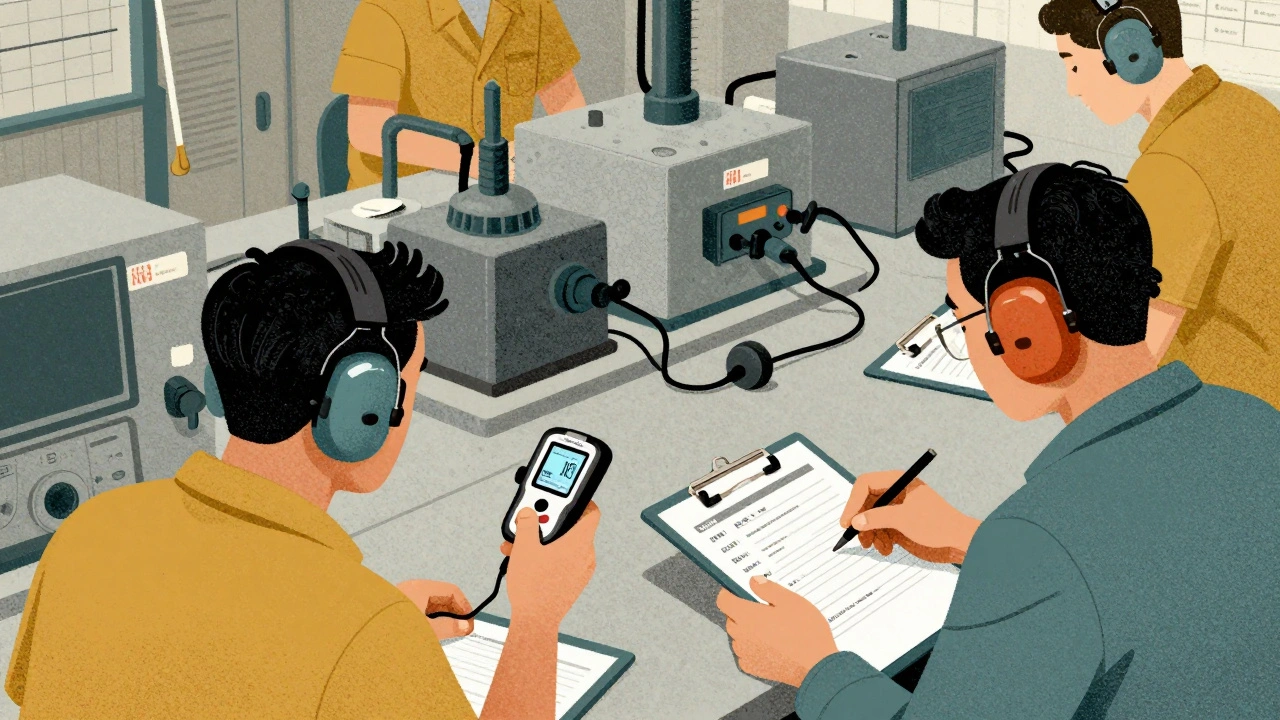
Hearing conservation programs are legally required in noisy workplaces to prevent permanent hearing loss. Learn the five key components, testing rules, common failures, and what’s changing in 2025.
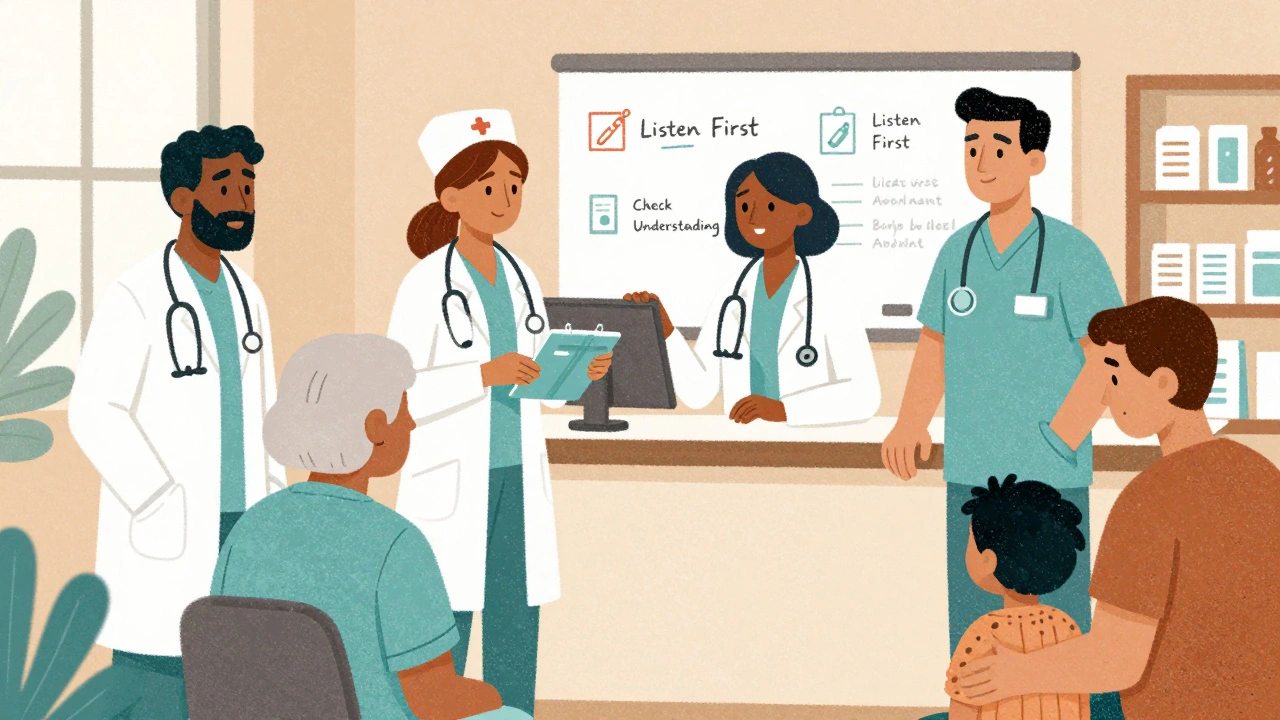
Institutional healthcare communication programs are transforming patient outcomes by teaching evidence-based communication skills to clinicians and staff. Learn how these programs reduce errors, improve satisfaction, and save lives.
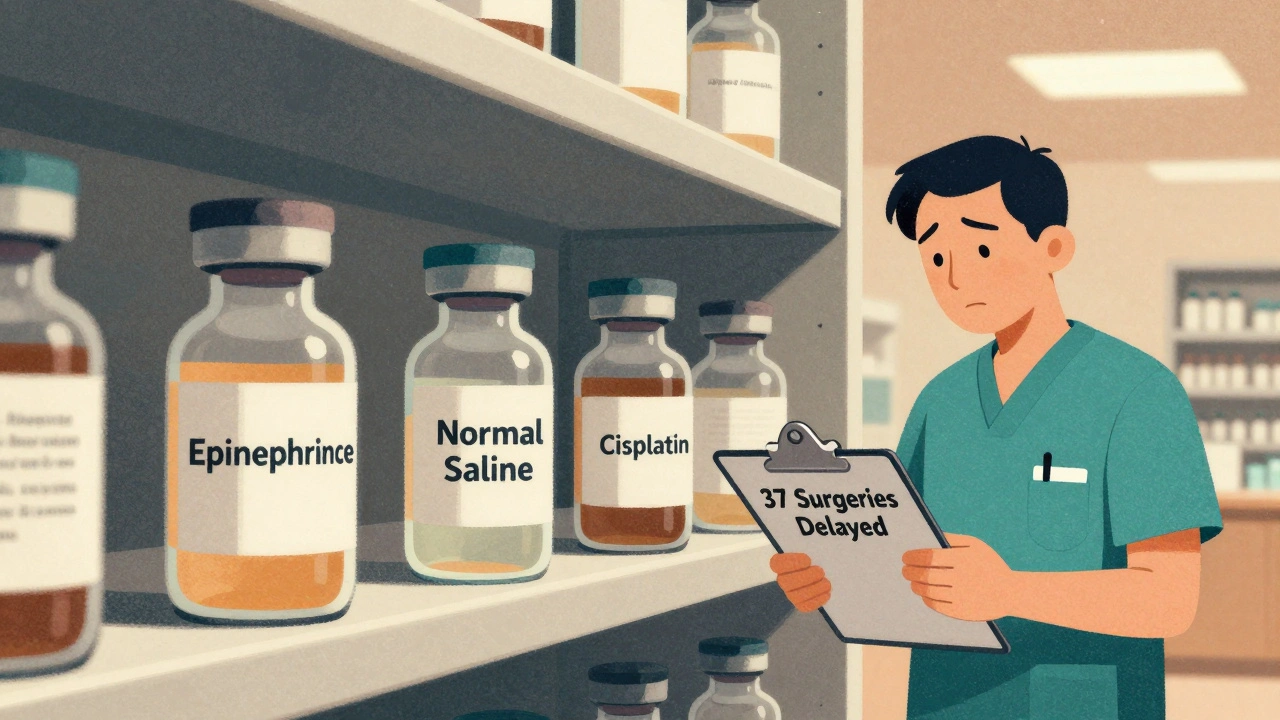
Hospital pharmacies are bearing the brunt of injectable medication shortages, with 60% of affected drugs being sterile injectables critical for emergency and critical care. With low profits, global supply chains, and no quick fixes, patients are at risk.
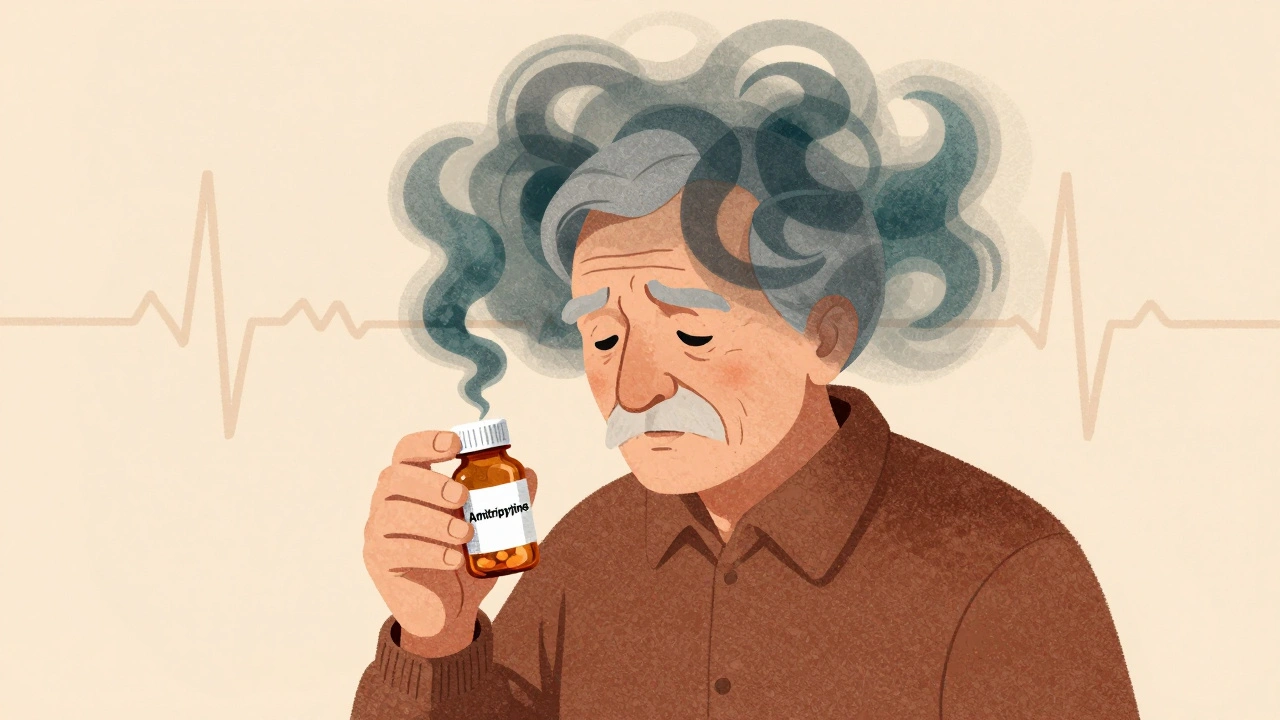
Tricyclic antidepressants like amitriptyline carry high anticholinergic burden, increasing risks of dementia and dangerous heart rhythms. Safer alternatives exist, and stopping them under supervision can improve cognition.
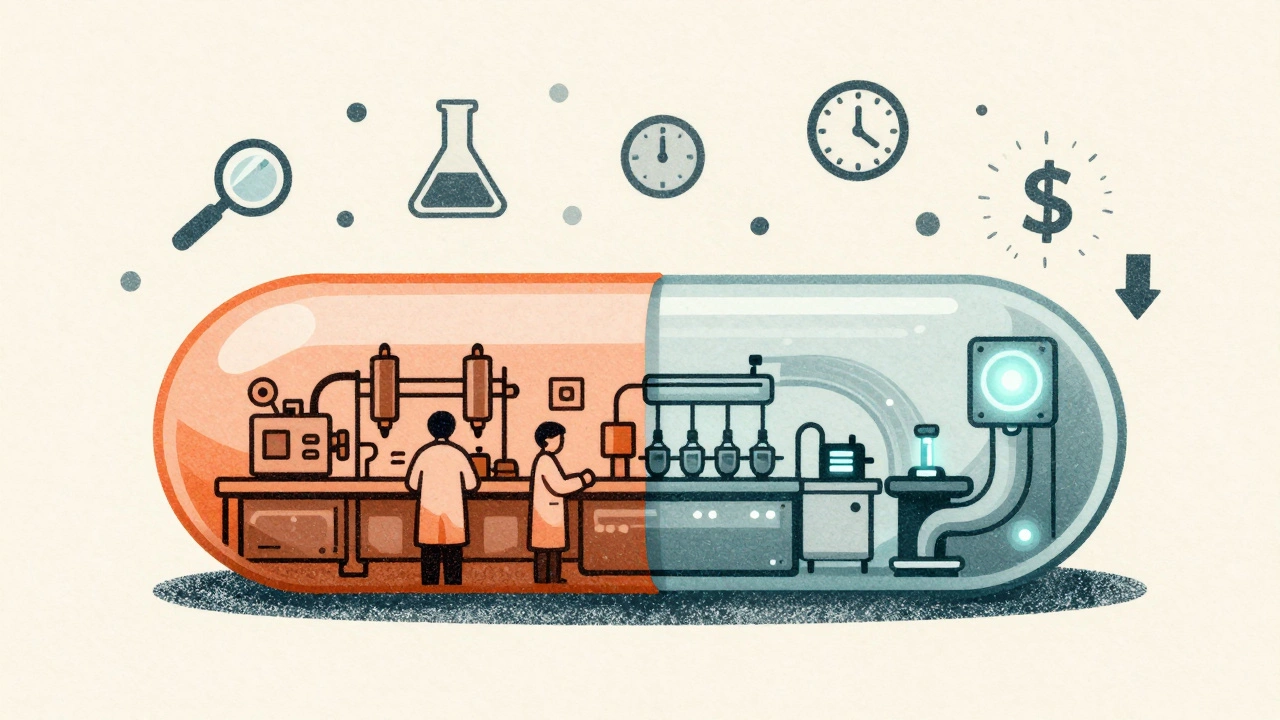
Learn what manufacturing changes trigger FDA re-evaluation for generic drugs, how the approval process works, and how new programs are speeding up approvals for U.S.-made generics.
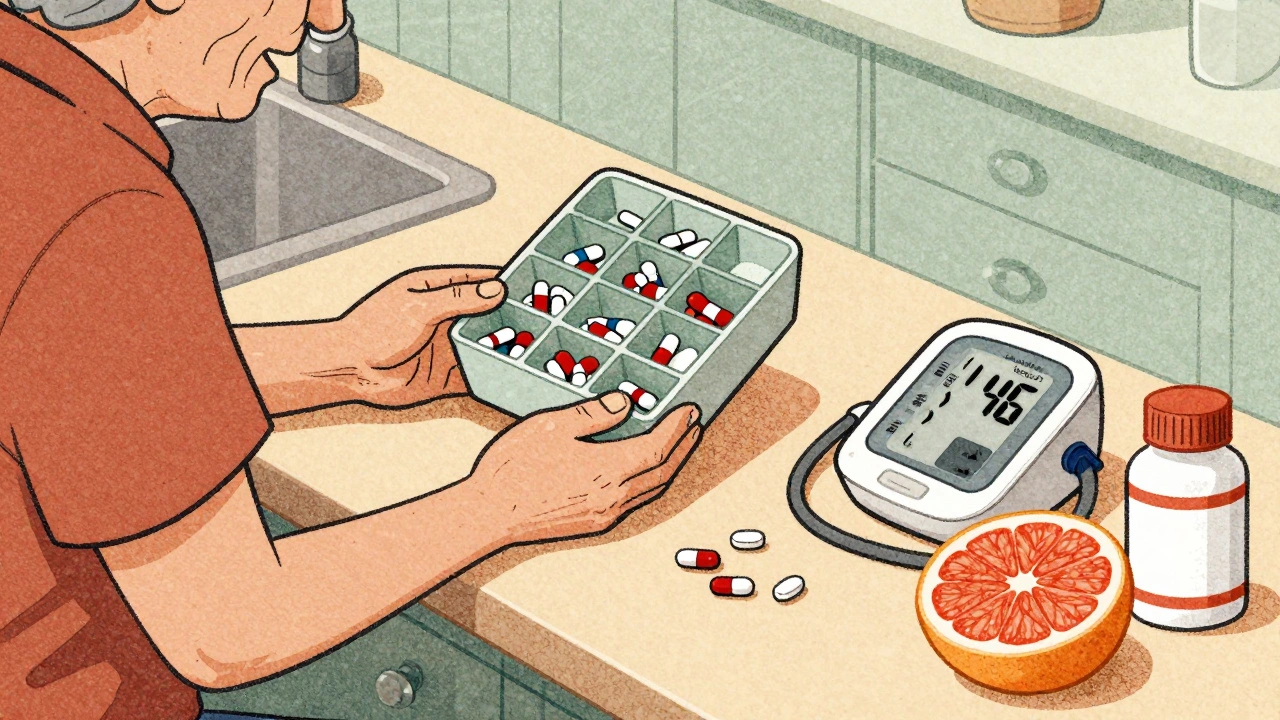
Adverse drug events cause over a million emergency visits each year in the U.S.-many are preventable. Learn what they are, which drugs are most dangerous, and how you can protect yourself.
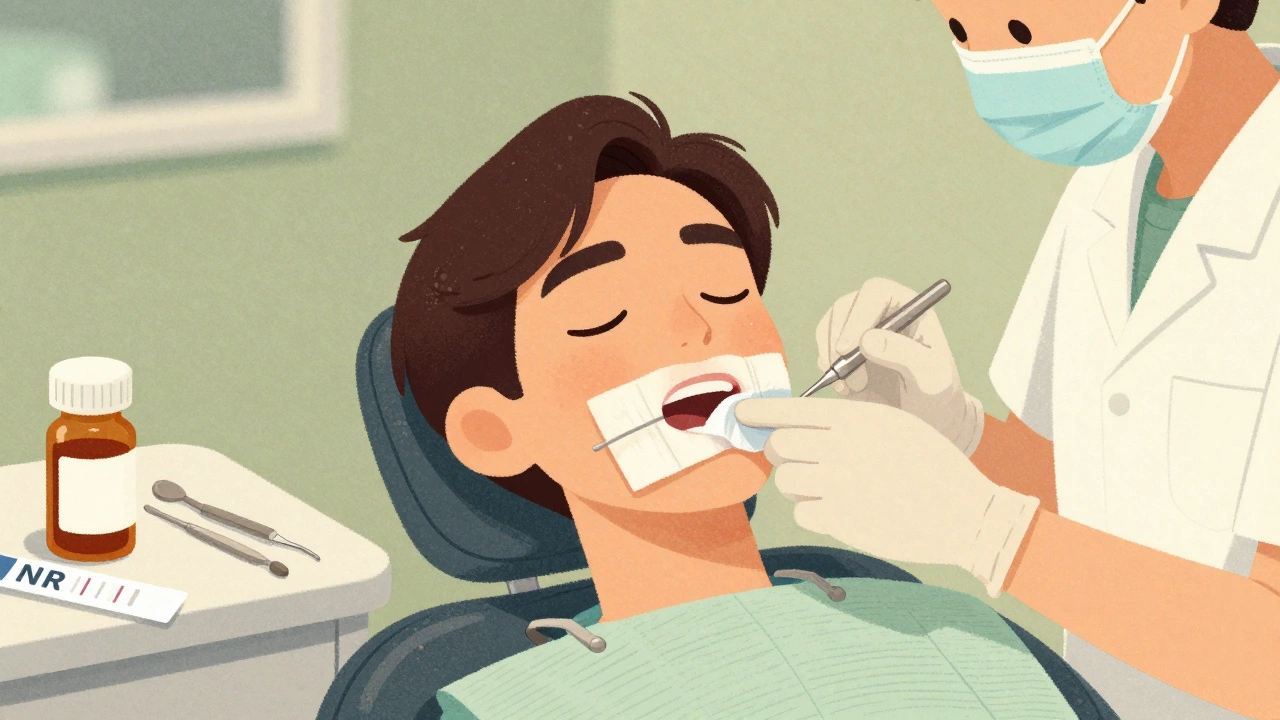
Most dental procedures are safe while on blood thinners. Stopping your medication can be riskier than keeping it. Learn which procedures are safe, how to manage bleeding, and what to tell your dentist.