OSHA Noise Exposure: Standards, Risks, and How to Stay Safe at Work
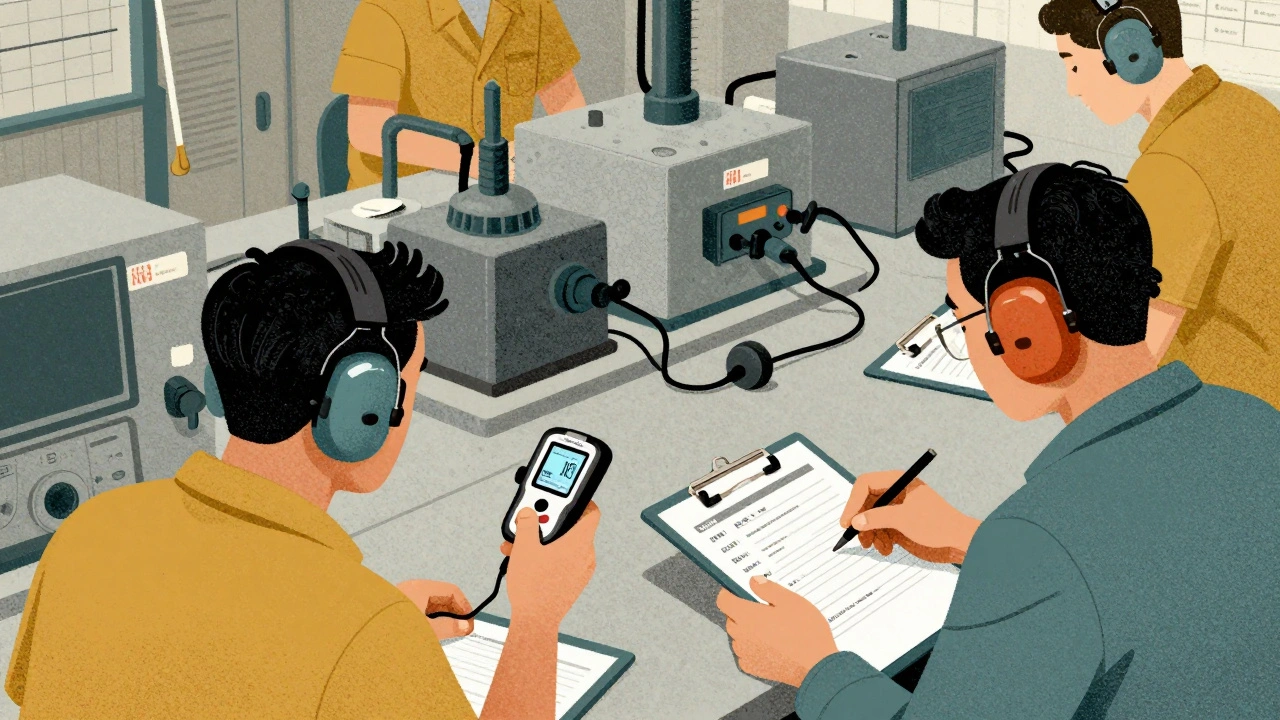
When you work in a noisy environment—whether it’s a factory floor, construction site, or airport tarmac—you’re exposed to OSHA noise exposure, the set of federal rules that define safe sound levels in the workplace. Also known as occupational noise limits, these standards exist because prolonged exposure to loud sounds doesn’t just annoy you—it permanently damages your hearing. The OSHA noise exposure limit is 90 decibels (dB) averaged over 8 hours. That’s about the level of a lawnmower or heavy traffic. But here’s the catch: if noise hits 85 dB, employers must start a hearing conservation program. Many people don’t realize that’s when the real protection steps begin.
Exceeding these limits leads to noise-induced hearing loss, a gradual, irreversible condition caused by repeated exposure to loud sounds. It’s not sudden—it creeps up over years, often unnoticed until it’s too late. Workers in manufacturing, mining, and aviation are at highest risk, but even warehouse staff and mechanics face daily threats. The good news? It’s preventable. hearing protection, devices like earplugs and earmuffs designed to reduce sound reaching the inner ear. Also known as personal protective equipment (PPE) for hearing, it’s not optional if you’re near machines that hit 85 dB or higher. OSHA requires employers to provide this gear at no cost and train workers on how to use it right. Too many people wear earplugs wrong—pushed in too shallow, reused when they should be tossed, or ignored because they feel uncomfortable. That’s how hearing slips away.
It’s not just about gear. OSHA also demands regular occupational safety, systematic practices to protect workers from physical and environmental hazards on the job. Also known as workplace safety programs, it includes noise monitoring, engineering controls like sound barriers, and rotating staff away from loudest areas. If your workplace doesn’t test noise levels yearly or doesn’t give you access to your hearing test results, that’s a red flag. You have rights under federal law. And if you’ve noticed ringing in your ears after a shift, or struggle to hear conversations over background noise, you’re not imagining it. That’s early warning.
What you’ll find in the posts below are real stories and clear facts about how noise harms workers, how companies fail—and sometimes succeed—in protecting them, and what you can do to protect yourself. No fluff. No theory. Just what works on the ground, in the real world of loud machines and tight deadlines.