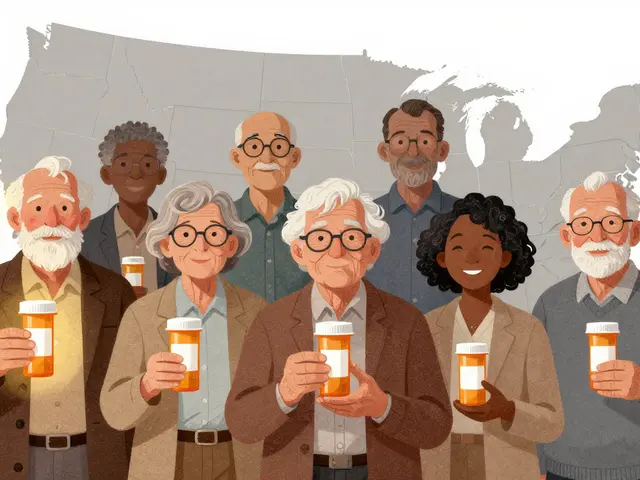
Medication Shortages 2025: What’s Running Out and Why It Matters
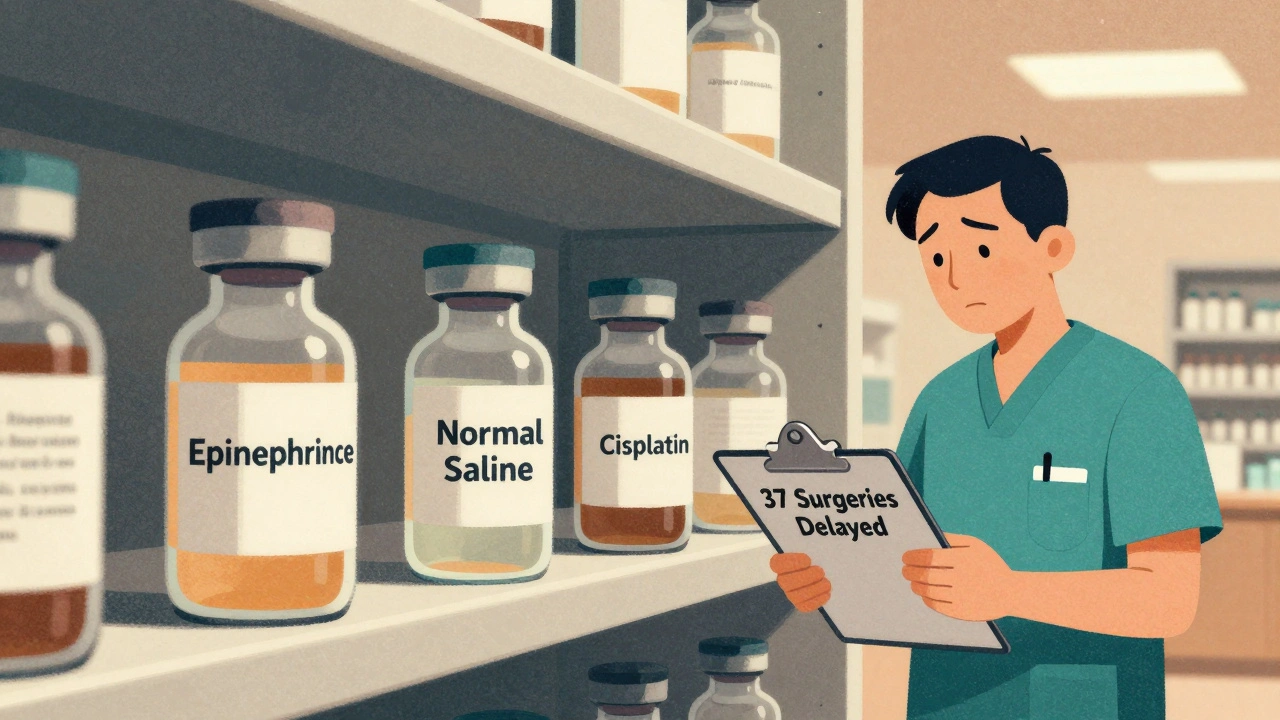
When you need a prescription and your pharmacy says medication shortages 2025 are to blame, it’s not just an inconvenience—it’s a health risk. These aren’t rare glitches. They’re systemic failures affecting everything from antibiotics to insulin, blood pressure pills, and even basic pain relievers. A drug supply chain, the network that moves medicines from manufacturers to pharmacies has become fragile, with single-source suppliers, raw material delays, and factory shutdowns creating ripple effects across the U.S. and beyond.
Why now? The generic drug shortages, the lack of affordable, off-patent medications that most people rely on have been growing for years, but 2025 is hitting a breaking point. Many generic manufacturers stopped making low-margin drugs because the prices haven’t risen in decades, while demand keeps climbing. Meanwhile, the FDA approval delays, the backlog in reviewing new generic versions or alternative suppliers mean even when companies try to step in, they can’t get approval fast enough. You might think switching brands is easy, but many patients can’t tolerate substitutes—even small differences in fillers or coatings can cause side effects or make a drug ineffective.
It’s not just about running out of your usual pill. Medication shortages force doctors to choose between less effective options, higher-cost alternatives, or risky workarounds. Diabetics get delayed insulin refills. Heart patients get substituted with drugs that interact badly with their other meds. Cancer treatments get pushed back. And because most of these shortages hit generics—drugs that 90% of Americans use—there’s no safety net. The system wasn’t built for resilience. It was built for cheapness. Now, cheapness is costing lives.
What you’ll find in the posts below aren’t just news updates. They’re real stories from providers and patients dealing with these gaps. You’ll see how manufacturing changes trigger FDA re-evaluations, why generic substitutions sometimes fail, and how home health services are stepping in to manage medication chaos. You’ll learn how to talk to your pharmacist when your usual drug is gone, how to spot unsafe alternatives, and what you can do to protect yourself when the system lets you down. This isn’t theoretical. It’s happening to someone you know—and maybe to you next.