Hearing Conservation Program
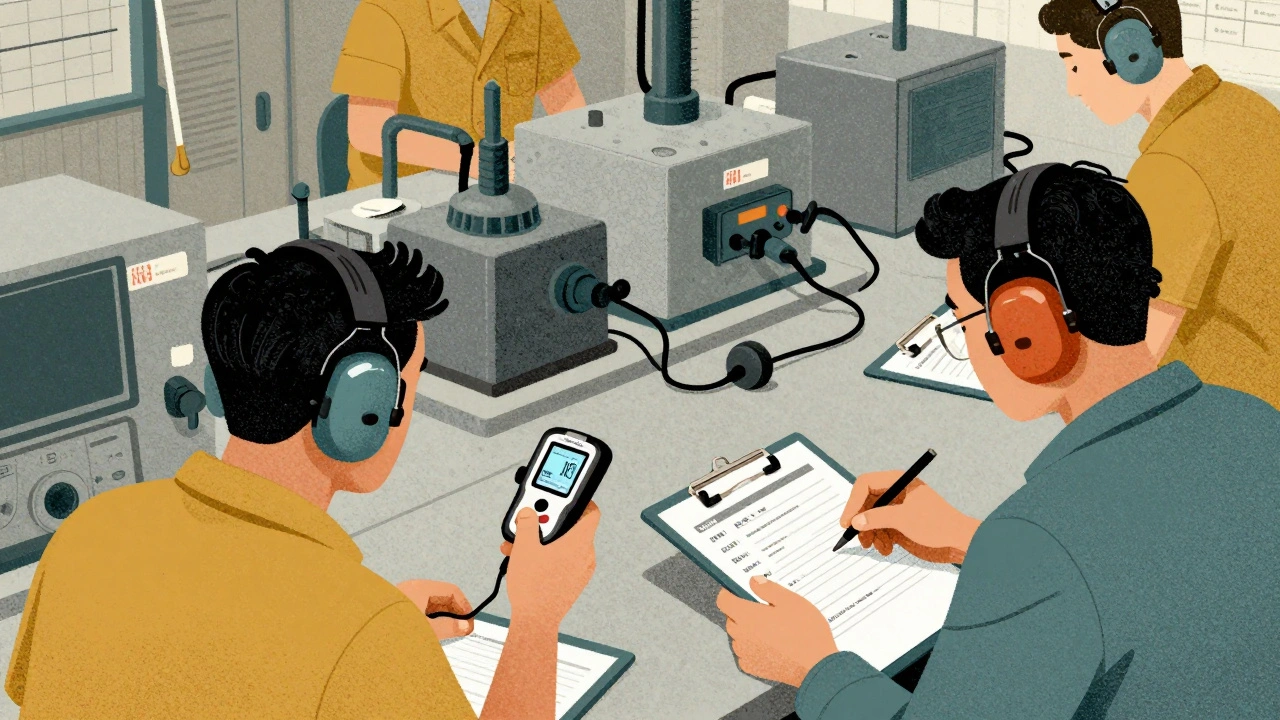
When you work in a noisy environment—like a factory, construction site, or airport—a hearing conservation program, a structured plan to prevent noise-induced hearing loss through monitoring, protection, and training. It's not just a rulebook; it's your shield against permanent damage. Every year, over 22 million U.S. workers are exposed to dangerous noise levels at work, and most don’t even realize their hearing is slipping until it’s too late.
This program isn’t just about handing out earplugs. It includes regular noise exposure, the level and duration of sound a person hears on the job, measured in decibels assessments, baseline and annual hearing tests, audiometric evaluations that track changes in hearing over time, and training so workers understand why protection matters. It also requires employers to provide proper hearing protection, personal protective equipment like earmuffs and foam plugs designed to reduce sound reaching the inner ear and make sure it’s worn correctly. The goal? Stop hearing loss before it starts—not treat it after it’s happened.
What makes a good program? It’s not just compliance. It’s culture. Workers who know their noise limits, understand how damage builds silently over time, and feel empowered to speak up when equipment gets too loud are the ones who stay protected. You don’t need fancy gear—just consistent use of what’s provided. And if you’re on meds that affect hearing—like some antibiotics or high-dose aspirin—you need to tell your safety officer. Those drugs can make noise damage worse.
Most people think hearing loss is just part of aging. But in loud jobs, it’s preventable. A strong hearing conservation program cuts the risk by up to 80%. You don’t have to choose between doing your job and keeping your hearing. The tools are there. The science is clear. Now it’s about using them.
Below, you’ll find real-world guides on how to spot early signs of hearing damage, how to choose the right protection for your job, and how to talk to your employer about safety gaps—all backed by medical and occupational research.