Colesevelam Bloating: What It Is, Why It Happens, and How to Manage It
When you take colesevelam, a bile acid sequestrant used to lower LDL cholesterol and manage type 2 diabetes. Also known as Welchol, it works by binding to bile acids in your gut so your body flushes them out instead of reabsorbing them. This forces your liver to pull more cholesterol from your blood to make new bile — a smart trick for lowering bad cholesterol. But for many, that same mechanism causes colesevelam bloating, gas, and stomach discomfort.
It’s not just you — bloating is one of the most reported side effects of bile acid sequestrants, a class of drugs that include cholestyramine and colestipol. Unlike statins that affect your liver, colesevelam acts locally in your intestines. It’s a powder or tablet that doesn’t get absorbed — it just sits there, soaking up bile and water. That extra water and bulk can slow digestion, stretch your gut, and trigger bloating, especially when you start the medication or increase the dose. People with sensitive guts, IBS, or existing constipation tend to feel it more. But even healthy people report feeling full, swollen, or gassy after meals.
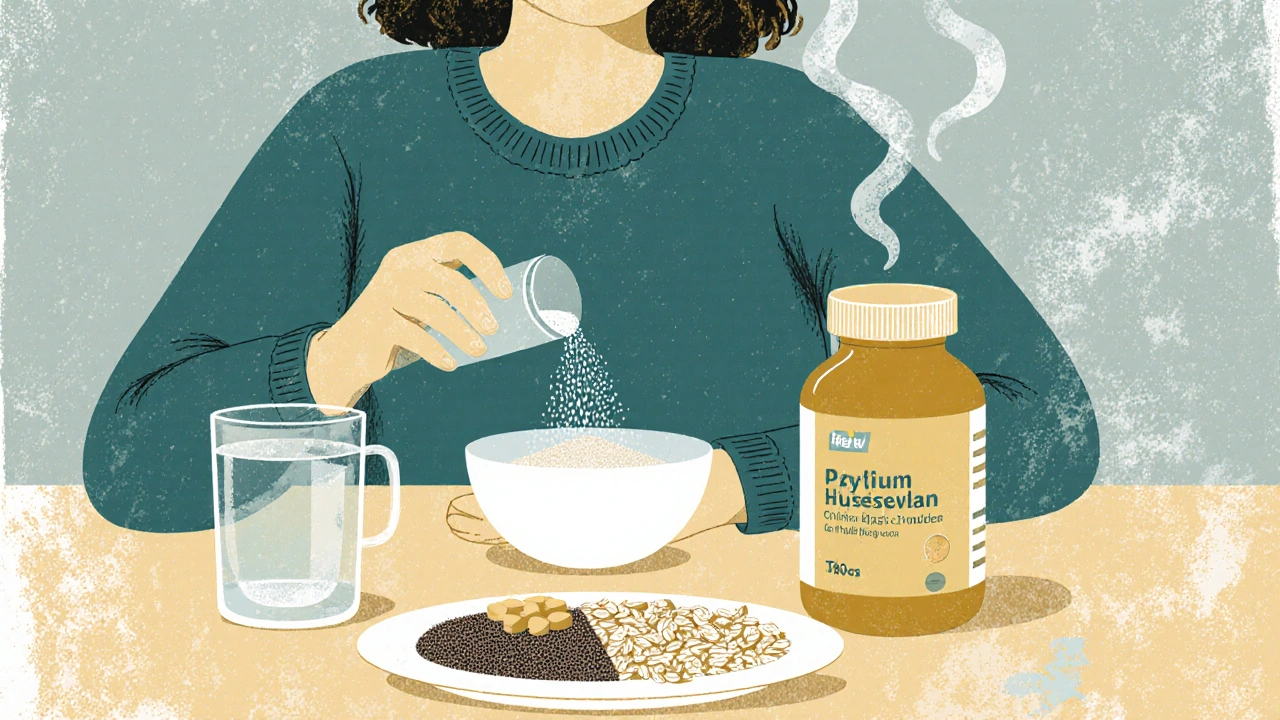
What helps? Start low. Take half the dose for a week, then slowly build up. Always take it with food and a full glass of water — never dry. Avoid carbonated drinks and high-fat meals, which make bloating worse. Fiber helps, but don’t overload it — too much too fast can backfire. Some users swear by simethicone for gas, or probiotics to rebalance gut bacteria. If bloating stays bad after a month, talk to your doctor about switching to a different cholesterol drug. Not everyone needs bile acid sequestrants. Statins, ezetimibe, or PCSK9 inhibitors might work better with fewer gut issues.
You’ll find real stories below from people who’ve dealt with colesevelam bloating — some who pushed through it, others who switched meds, and a few who found clever workarounds. You’ll also see how this side effect compares to other cholesterol drugs, what labs to track if you’re on long-term therapy, and how to tell if your bloating is just a nuisance or something more serious. This isn’t just about side effects — it’s about making sure your treatment fits your life, not the other way around.