Welchol Side Effects: What You Need to Know Before Taking It
When you take Welchol, a bile acid sequestrant used to lower LDL cholesterol and manage blood sugar in type 2 diabetes. Also known as colesevelam, it works by binding to bile acids in your gut so your body flushes them out, forcing your liver to pull more cholesterol from your blood. It’s not a statin, so it doesn’t hit your muscles or liver the same way—but it has its own set of effects you can’t ignore.
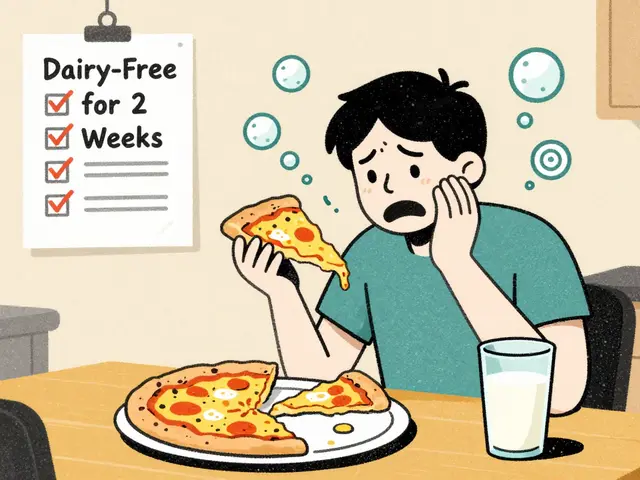
Most people taking Welchol notice changes in their digestive system. Constipation is the most common issue, reported in over 1 in 5 users. Some get bloated, gassy, or feel like their stomach’s full even after eating a light meal. These aren’t rare side effects—they’re expected. If you’re already prone to bowel issues, Welchol might make them worse. It’s not dangerous for most, but it can be annoying enough that people stop taking it. And if you’re on other meds, especially for diabetes or thyroid conditions, Welchol can interfere. It can lower how much your body absorbs, which means your pills might not work as well. That’s why you need to space it out: take Welchol at least 4 hours before or after other drugs like levothyroxine, metformin, or birth control.
There’s also the question of who it’s actually for. If you’re trying to lower cholesterol but can’t tolerate statins, Welchol is a solid alternative. But if your main goal is weight loss or quick results, don’t expect miracles. It doesn’t burn fat. It doesn’t boost energy. It just helps your body get rid of cholesterol you already have. And while it’s approved for type 2 diabetes, the blood sugar benefit is modest—usually a 0.5% to 0.8% drop in A1C. Not nothing, but not a game-changer either.
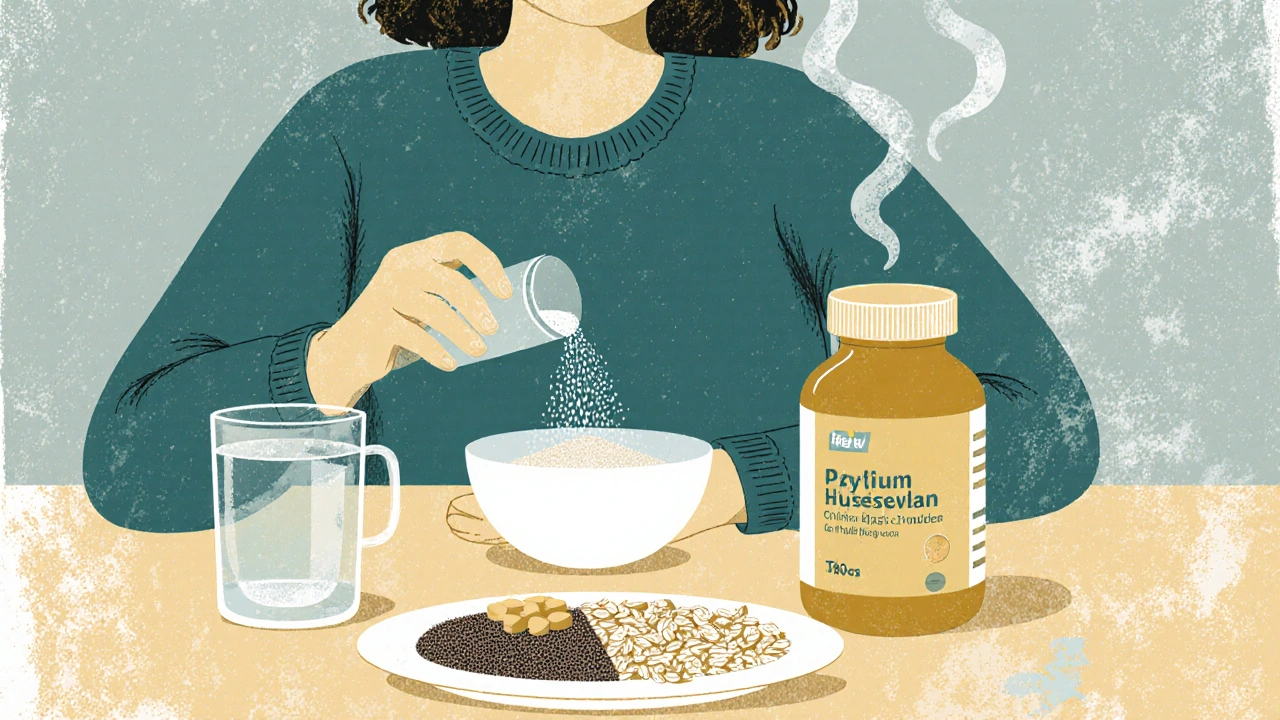
People who take Welchol often wonder if they should switch to something else. Some do, because the side effects are too much. Others stick with it because it’s gentle on the liver and doesn’t cause muscle pain like statins. It’s also available as a tablet or powder, so if swallowing pills is hard, you can mix the powder into water or food. But if you’re already dealing with GI problems, the powder might make things worse. And don’t forget: it’s not cheap. Insurance helps, but out-of-pocket costs can add up.
What you’ll find in the posts below isn’t just a list of side effects. It’s real stories from people who’ve taken Welchol, what they did when things went wrong, and how they managed the trade-offs. You’ll also see how it compares to other cholesterol meds, what doctors really think about long-term use, and how to spot when a side effect is just a nuisance versus something you need to act on. No fluff. No marketing. Just what works, what doesn’t, and what you need to ask your pharmacist before you start.