Radioactive Iodine: What It Is, How It's Used, and What You Need to Know
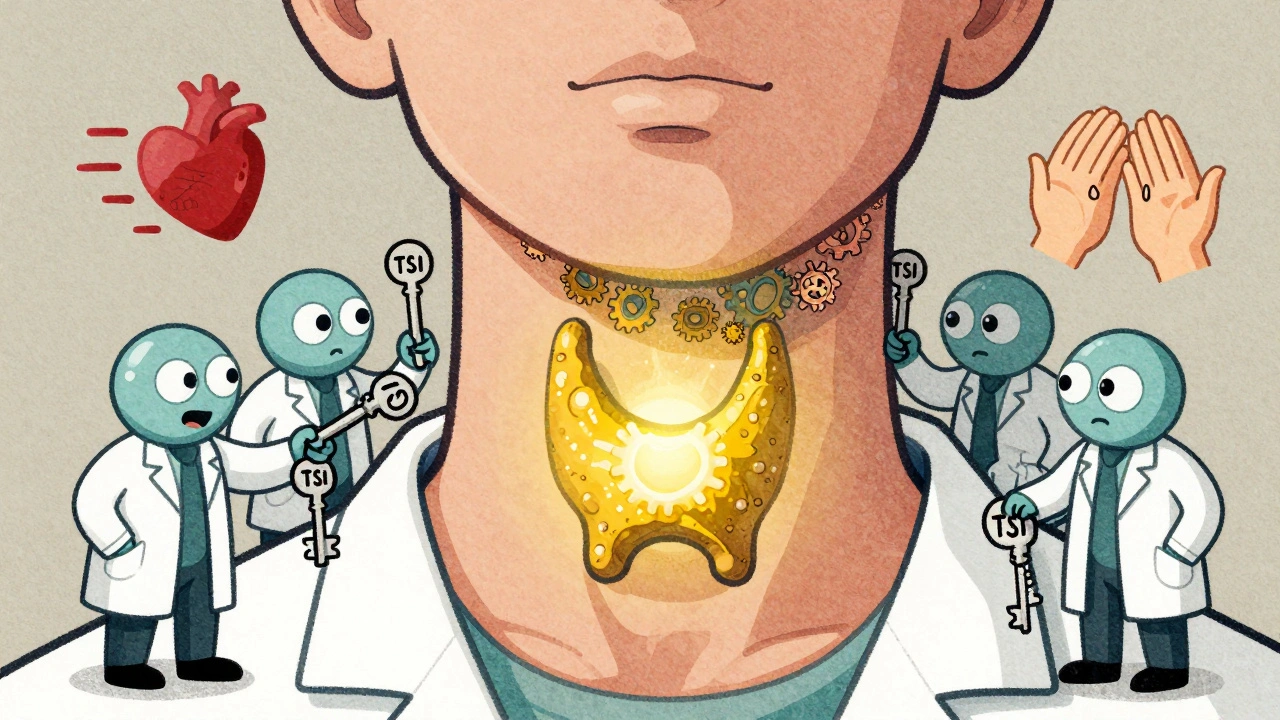
When your thyroid goes off track — whether it's overactive, enlarged, or cancerous — radioactive iodine, a targeted radiation treatment that destroys thyroid tissue without surgery. Also known as I-131, it's been used safely for over 70 years to treat conditions like Graves' disease and thyroid cancer. Unlike surgery, it doesn't require cuts or anesthesia. You swallow a capsule or liquid, and the iodine travels straight to your thyroid, where it delivers radiation exactly where it's needed — and nowhere else.
What makes radioactive iodine so smart is how your body works. Your thyroid naturally grabs iodine to make hormones. So when you take I-131, your thyroid doesn't know the difference — it sucks it right in. The radiation then zaps overactive cells or cancerous tissue, shrinking the gland or killing off tumors. This is why it's not just for cancer. Many people with hyperthyroidism — where the thyroid makes too much hormone — use it to calm things down. In fact, it's one of the most common treatments in the U.S. for this condition.
But it's not a one-size-fits-all fix. radioiodine therapy, the clinical use of radioactive iodine to treat thyroid disorders requires careful planning. You’ll need to stop taking thyroid meds beforehand, avoid certain foods like seafood and iodized salt, and sometimes even pause other drugs. After treatment, you'll be slightly radioactive for a few days. That means you’ll need to sleep alone, avoid close contact with kids and pregnant people, and flush the toilet twice after use. It sounds strict, but it’s temporary — and it’s what keeps others safe.
Some people worry about long-term risks. The truth? For most, the benefits far outweigh the risks. Studies show that radioactive iodine doesn’t increase your chance of getting other cancers — even after decades. The biggest side effect? You’ll likely end up with hypothyroidism. That’s not a failure — it’s the goal. Once your thyroid is no longer overactive, you’ll take a simple daily pill to replace the hormone your body can’t make anymore. It’s not glamorous, but it’s effective.
And while radioactive iodine is mostly linked to thyroid issues, it’s part of a bigger picture. thyroid cancer, a treatable form of cancer often managed with radioiodine after surgery is one of the most successfully treated cancers today, especially when caught early. The treatment doesn’t just kill cancer cells — it helps doctors track them. After therapy, a whole-body scan can show if any cancer remains, because only thyroid tissue (including cancerous thyroid tissue) absorbs iodine. That’s how doctors know if they got it all.
What you’ll find in the posts below isn’t just a list of articles. It’s a practical guide to what happens before, during, and after radioactive iodine treatment — from how it interacts with other meds to how to manage side effects like dry mouth or taste changes. You’ll see how it fits into broader health topics like medication safety, drug interactions, and patient communication. Whether you’re considering this treatment, just had it, or know someone who did, these posts cut through the noise and give you real, usable info — no jargon, no fluff, just what matters.