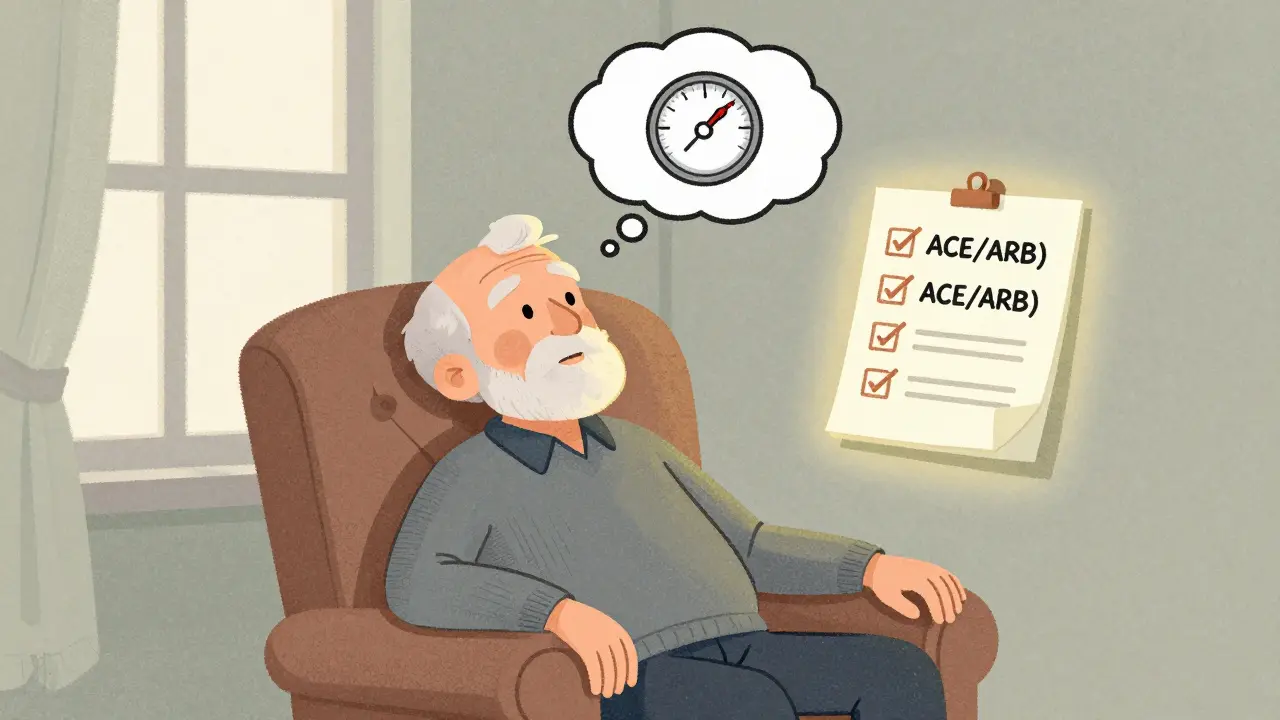
Standing up from a chair and feeling dizzy? For many older adults on blood pressure medication, this isn’t just a minor inconvenience-it’s a serious risk. Orthostatic hypotension, a sudden drop in blood pressure when standing, causes nearly 1 in 5 falls in seniors over 65. And here’s the twist: the very drugs meant to protect your heart might be making you more likely to fall.
What Is Orthostatic Hypotension-and Why Does It Matter?
Orthostatic hypotension happens when your blood pressure drops by at least 20 mm Hg systolic or 10 mm Hg diastolic within three minutes of standing. It’s not rare. Between 3% and 26% of older adults with high blood pressure experience it, according to the European Society of Cardiology. The numbers climb as you age. By 80, nearly one in four people on antihypertensives have this issue. It’s not just about dizziness. This drop in pressure means less blood reaches your brain. That’s when you feel lightheaded, blurry, or like you’re about to pass out. For seniors, that moment can lead to a fall, a broken hip, or a hospital stay. And yet, many doctors still think lowering blood pressure too much causes this problem. That’s outdated.Which Blood Pressure Medications Are Riskiest?
Not all blood pressure drugs are created equal when it comes to orthostatic risk. Some are much safer than others. Here’s what the data shows:- Alpha blockers (like doxazosin, terazosin): Highest risk. Up to 28% of older adults on these develop orthostatic hypotension. They’re often prescribed for prostate issues, but the trade-off isn’t worth it for many seniors.
- Beta-blockers (like atenolol, metoprolol): Double the risk of sustained low blood pressure when standing. Odds rise to 3.36 times higher than with safer options.
- Diuretics (like hydrochlorothiazide): Can cause dehydration and volume loss, making drops in pressure more likely-especially if taken late in the day.
- Calcium channel blockers: Risk varies. Amlodipine and lacidipine are safer because they work slowly. Diltiazem and verapamil are riskier due to how they’re processed in aging livers.
- ACE inhibitors and ARBs (like lisinopril, losartan): Lowest risk. Studies show they may even protect against orthostatic hypotension, reducing episodes by 14-15% compared to other classes.
The SPRINT trial and multiple meta-analyses proved something surprising: more aggressive blood pressure control-targeting under 120 mm Hg systolic-didn’t increase orthostatic hypotension. In fact, it slightly reduced it. The myth that ‘lower BP = more falls’ is wrong. The real danger comes from the type of drug, not how low the number goes.
Why Stopping Meds Isn’t the Answer
Many patients and even some doctors assume the fix is to cut back or stop the medication. That’s dangerous. Dr. Harry Goldblatt from Case Western Reserve University puts it bluntly: the problem isn’t the drop when standing-it’s the high blood pressure when lying down. If you reduce meds to avoid dizziness, you might be leaving your heart exposed to uncontrolled hypertension, which raises stroke and heart attack risk. The American Heart Association says clearly: don’t routinely stop or lower antihypertensives just because someone has orthostatic hypotension-if they’re not having symptoms. The goal isn’t to eliminate the drop. It’s to choose the right drugs and manage the condition safely.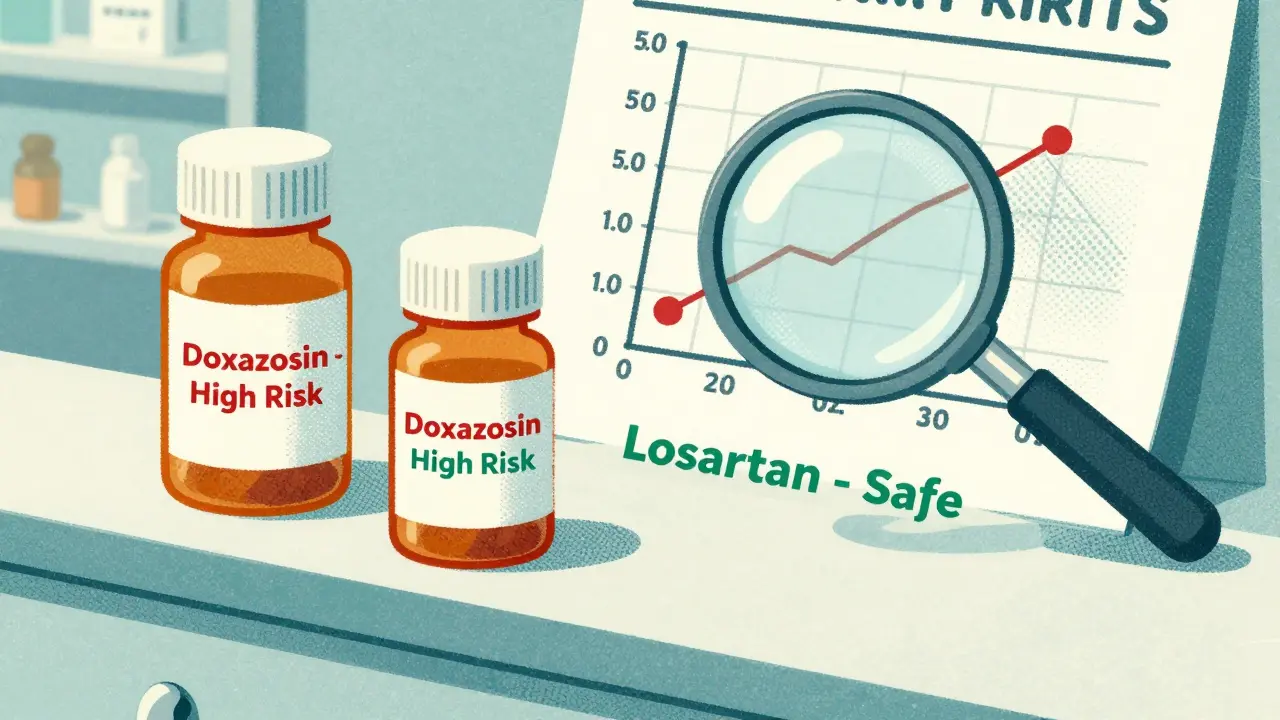
What Should You Do Instead?
Here’s a practical, step-by-step approach that works in real-world care:- Review all meds. Look at every pill, including those for prostate, depression, or pain. Tricyclic antidepressants, nitrates, and antipsychotics can also trigger drops in pressure. Ask your doctor: "Which of these could be making me dizzy?"
- Switch to safer drugs. If you’re on an alpha blocker or a beta-blocker, ask about switching to an ARB or ACE inhibitor. Studies show 65% of patients report less dizziness and fewer falls after making this change.
- Time your doses. Take long-acting meds (6-12 hour half-life) no earlier than three hours before bed. This avoids nighttime drops and morning spikes. Avoid diuretics after 4 p.m.
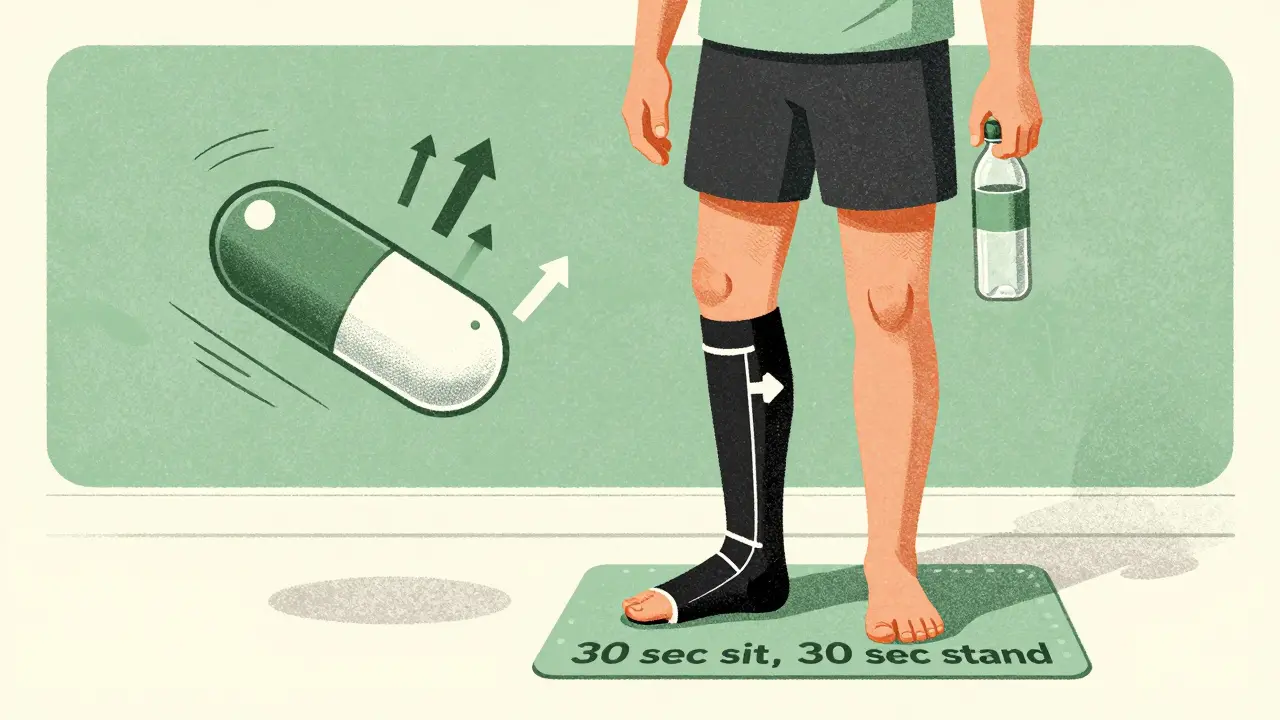
- Stand up slowly. Don’t jump out of bed. Sit on the edge for 30 seconds. Then stand still for another 30. Do this three times a day. Most people improve in 2-4 weeks.
- Stay hydrated. Drink water before standing, especially after meals or bathroom trips. Dehydration worsens drops in pressure.
- Wear compression stockings. These help blood return to your heart when you stand. Simple, cheap, and effective.
What About Medications That Treat Orthostatic Hypotension?
If lifestyle changes aren’t enough, doctors may consider drugs like midodrine or droxidopa. But these aren’t first-line. They’re for people with severe symptoms who’ve already optimized their antihypertensives. Fludrocortisone can help too, but it causes fluid retention and raises blood pressure while lying down-which can be risky. These drugs are used sparingly, and only after a full review of risks.The bottom line: don’t treat the dizziness. Treat the cause. Fix the medication first. Then add support. Most seniors don’t need extra pills-they need better ones.
What’s Changing in 2025?
New guidelines are coming. The European Society of Cardiology will release updated advice for managing hypertension with orthostatic hypotension in late 2024. The American Geriatrics Society Beers Criteria already updated its warnings in 2023, calling alpha blockers and certain beta-blockers "potentially inappropriate" for seniors with this condition. Market trends show a shift. In 2023, 38% of new prescriptions for seniors over 65 were ACE inhibitors or ARBs-up from 32% in 2020. That’s because doctors are finally catching up to the science: safer drugs mean fewer falls, not less control. Research is moving fast. Two new "smart" blood pressure drugs are in Phase II trials. They’re designed to release more medication when you’re standing and less when you’re lying down. They could change everything.Final Thought: Safety Isn’t About Lower Numbers
Your blood pressure target isn’t a number on a screen. It’s about living without fear-of falling, of fainting, of losing your independence. The best blood pressure control for an older adult isn’t the lowest possible number. It’s the one that keeps your heart safe without making you dizzy when you stand up.Ask your doctor: "Which of my meds could be causing this?" and "Can we try something safer?" Don’t accept dizziness as normal. It’s not. It’s a signal. And with the right changes, you can stand tall-without fear.
Can blood pressure medication cause dizziness when standing?
Yes. Certain blood pressure medications-especially alpha blockers, beta-blockers, and diuretics-can cause orthostatic hypotension, a sudden drop in blood pressure when standing. This leads to dizziness, lightheadedness, or even fainting. The risk is higher in older adults due to natural changes in blood pressure regulation.
Which blood pressure meds are safest for seniors with dizziness?
ACE inhibitors (like lisinopril) and ARBs (like losartan) have the lowest risk of causing orthostatic hypotension. Studies show they may even reduce dizziness episodes by 14-15% compared to other classes. Calcium channel blockers like amlodipine and lacidipine are also safer than older types like diltiazem. Avoid alpha blockers and most beta-blockers if dizziness is an issue.
Should I stop my blood pressure medicine if I get dizzy?
No. Stopping your medication can raise your risk of heart attack or stroke. The problem isn’t usually the blood pressure level-it’s the type of drug. Work with your doctor to switch to a safer medication instead. Research shows that aggressive blood pressure control doesn’t increase fall risk when the right drugs are used.
How long does it take to adjust after switching blood pressure meds?
It usually takes 4 to 6 weeks to fully adjust after switching medications. During this time, your doctor should monitor your blood pressure both lying down and standing. Non-drug steps like standing slowly and staying hydrated can help speed up improvement. Most people notice less dizziness within 2 to 4 weeks.
Can lifestyle changes help with dizziness from blood pressure meds?
Yes. Standing up slowly, drinking water before standing, wearing compression stockings, and avoiding large meals or hot showers can all help. Doing these steps 3 times a day builds your body’s tolerance. Many seniors see fewer symptoms in just 2-4 weeks without any new drugs.
Are there new blood pressure drugs being developed for seniors?
Yes. Two experimental drugs in Phase II trials are designed to release more medication when you stand and less when you lie down. These "smart" medications aim to control high blood pressure without causing dizziness. They’re not available yet, but they represent the future of safer treatment for older adults.
Next Steps for Seniors and Caregivers
If you or a loved one is on blood pressure medication and gets dizzy when standing:- Write down when dizziness happens-after standing? After meals? After taking meds?
- Bring a list of all medications (including OTC and supplements) to your next appointment.
- Ask: "Could any of these be causing my dizziness? What’s the safest alternative?"
- Practice standing slowly three times a day. Sit for 30 seconds, then stand still for another 30.
- Keep a small water bottle nearby. Drink before getting up.
Don’t wait for a fall to happen. Small changes now can prevent big problems later. You don’t have to choose between a healthy heart and safe movement. With the right meds and habits, you can have both.
Marilyn Ferrera
December 31, 2025 AT 11:35
It’s not about the number on the screen-it’s about whether you can stand up without seeing stars. I’ve seen too many seniors told to ‘just live with it.’ No. Dizziness isn’t aging. It’s a warning light. And we’re ignoring it.
Switching from doxazosin to losartan? That’s not a tweak. It’s a revolution.
My mom went from using a walker to walking the dog again-just by changing meds. No new pills. No magic. Just science.
Doctors need to stop treating numbers. They need to treat people.
And yes-I’m still mad they didn’t tell us this sooner.
Robb Rice
January 2, 2026 AT 11:09
While I appreciate the comprehensive overview presented herein, I must respectfully note that the assertion regarding the safety of ACE inhibitors and ARBs is substantiated by robust meta-analytic data, particularly from the SPRINT trial cohort.
That said, the omission of renal function monitoring in the management algorithm is a notable oversight, as eGFR decline may precede symptomatic orthostasis in elderly patients.
Furthermore, the temporal sequencing of medication adjustment-particularly with diuretics-requires individualized titration, not rigid time-based protocols.
Lastly, while compression stockings are beneficial, their efficacy is contingent upon proper fit and daily compliance, which remains a challenge in homebound populations.
Harriet Hollingsworth
January 3, 2026 AT 07:52
YOU’RE KILLING YOUR PARENTS WITH THESE DRUGS!!!
Alpha blockers? STOP THEM NOW!!!
My uncle fell. Broke his hip. Died in six months. ALL BECAUSE THE DOCTOR WAS TOO LAZY TO SWITCH HIS MEDS!
It’s not ‘just dizziness.’ It’s a death sentence wrapped in a prescription bottle.
And yes-I’m shouting. Because nobody else will.
STOP GIVING SENIORS DRUGS THAT MAKE THEM FALL.
IT’S MURDER BY MEDICATION.
Deepika D
January 4, 2026 AT 17:50
Let me tell you something-I’m a nurse in Mumbai, and I’ve seen this exact thing play out in villages and cities alike.
Older adults here don’t even know what ‘orthostatic hypotension’ means. They just say, ‘I get weak when I stand.’ And their kids say, ‘Maybe it’s old age.’
But when we switch them from atenolol to telmisartan? Oh, the change is beautiful.
One woman, 82, used to need help getting out of bed. After three weeks on ARB + compression socks + water before standing? She started cooking her own meals again.
It’s not complicated. It’s just not taught.
And yes-I’ve trained five community health workers to ask: ‘Which medicine makes you dizzy?’
It’s not about fancy tech. It’s about asking the right question.
And if your doctor doesn’t know this? Find one who does.
You deserve to stand tall.
And you’re not alone.
Let’s change this together.
❤️
Bennett Ryynanen
January 5, 2026 AT 20:15
Bro. This is the most important thing I’ve read all year.
I’ve been begging my dad’s cardiologist to switch his doxazosin for months. ‘It’s fine,’ they said. ‘He’s stable.’
Stable? He nearly took out our coffee table last Tuesday.
Finally found a geriatrician who actually listened. Switched him to lisinopril. Two weeks later-he’s walking the dog, no cane, no fear.
Doctors are still stuck in 2005. This info needs to be screamed from the rooftops.
Stop letting your elders suffer ‘because it’s normal.’
It’s not normal. It’s negligence.
Share this. Now.
Chandreson Chandreas
January 7, 2026 AT 05:23
Man, this hit different.
I’ve been giving my grandma the same BP med for 4 years. She never complained. Just smiled and said, ‘I’m fine.’
Then I noticed she’d sit on the edge of the bed for like 5 minutes before standing.
Didn’t think much of it… until I read this.
Switched her to losartan last week. She’s already saying she feels ‘lighter.’
Still waiting for the full 4 weeks, but… yeah.
Thanks for the nudge, man.
🫡
Also-compression socks are weird but kinda cool. Got her some with little flowers. She loves them.
Darren Pearson
January 7, 2026 AT 14:43
One must question the methodological rigor of the cited meta-analyses, particularly given the heterogeneity of geriatric populations and the confounding influence of polypharmacy.
Moreover, the assertion that ‘lower BP does not increase fall risk’ oversimplifies the complex interplay between autonomic dysfunction, vascular compliance, and cerebral perfusion.
While ARBs may demonstrate lower incidence of orthostasis, their long-term impact on cognitive decline remains under-investigated.
One cannot dismiss the ethical imperative to individualize therapy-not merely optimize pharmacokinetics.
And yet, the market-driven shift toward ARBs is, regrettably, more reflective of pharmaceutical marketing than clinical wisdom.
Stewart Smith
January 7, 2026 AT 20:01
So let me get this straight.
We’ve known for years that alpha blockers are a disaster for seniors.
But doctors still prescribe them because they’re cheap and easy?
And we call this ‘medicine’?
Meanwhile, people are dying from falls that could’ve been prevented by switching a pill.
Wow.
Just… wow.
At this point, I’m not mad.
I’m just… tired.
Retha Dungga
January 9, 2026 AT 01:16
The body knows what it needs stop forcing it with chemicals