PPI Prophylaxis: When and Why Acid Reducers Are Used Preventively
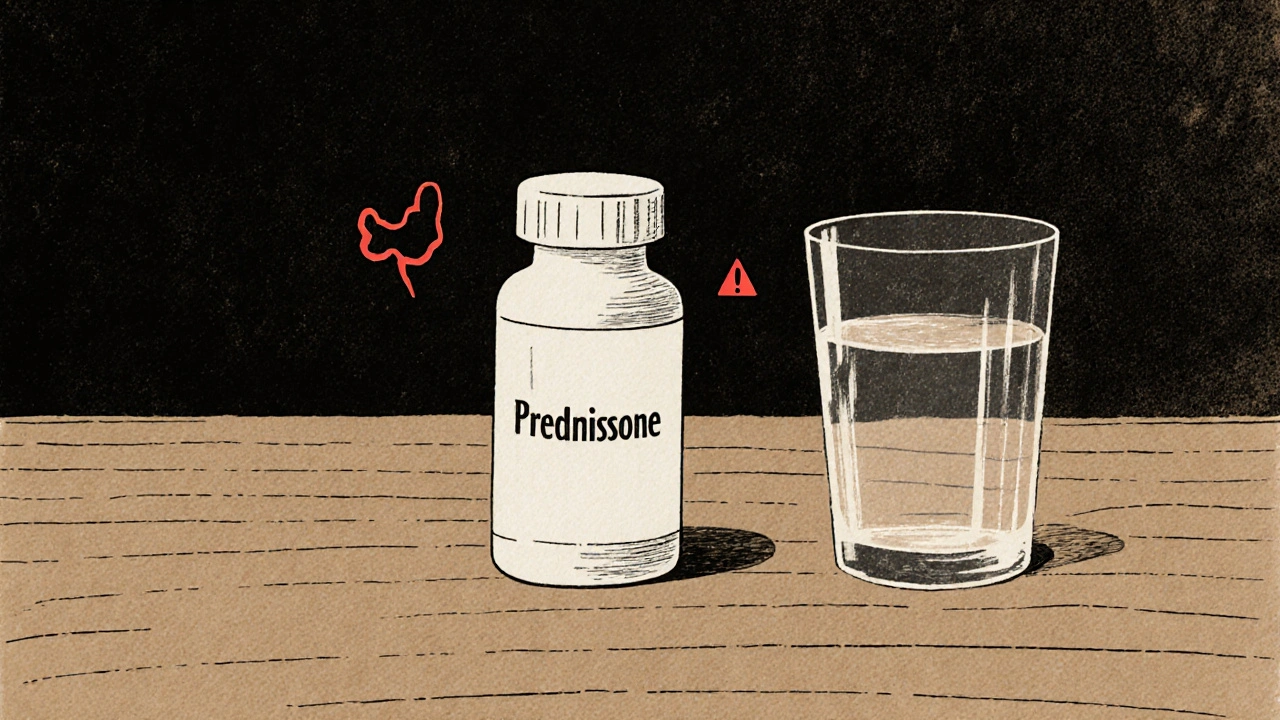
When doctors prescribe proton pump inhibitors, a class of drugs that block stomach acid production at its source. Also known as PPIs, they’re not just for treating heartburn—they’re used daily in hospitals to prevent serious bleeding in people at high risk. This preventive use is called PPI prophylaxis. It’s not about comfort. It’s about stopping life-threatening ulcers before they start.
PPI prophylaxis is common in intensive care units, especially for patients on ventilators, those with severe trauma, or those taking blood thinners and steroids together. These conditions crank up stomach acid and weaken the stomach lining, making ulcers more likely. Studies show that giving a PPI like omeprazole or pantoprazole early cuts the chance of bleeding by nearly half in these groups. But it’s not for everyone. If you’re healthy, recovering from a minor surgery, or just taking a pill for occasional heartburn, you don’t need it. Overuse leads to side effects—like low magnesium, higher risk of pneumonia, or even gut infections like C. diff.
Other drugs can do similar jobs. famotidine, an H2 blocker that reduces acid but works differently than PPIs. Also known as Pepcid, it’s cheaper and sometimes preferred when PPIs aren’t needed at full strength. Then there’s stress ulcer prophylaxis, the broader term for all preventive measures against hospital-acquired ulcers. Also known as SU prophylaxis, it includes everything from acid blockers to antacids and even timing meals in ICU settings. The key is matching the tool to the risk. Not every patient needs a PPI. Some do fine with H2 blockers. Others need nothing at all.
What you’ll find in these posts isn’t just theory. Real cases show how PPI prophylaxis works—or fails—in hospitals, homes, and clinics. You’ll see how doctors decide who gets it, what goes wrong when it’s misused, and how patients respond when they’re switched from brand to generic versions. You’ll also learn how acid blockers interact with other meds, like blood thinners or antibiotics, and why timing matters more than you think. This isn’t about guessing. It’s about knowing when to use these drugs, when to skip them, and how to avoid the traps that come with long-term use.