Pharmacist Communication: How to Get Clear, Safe Advice About Your Medications
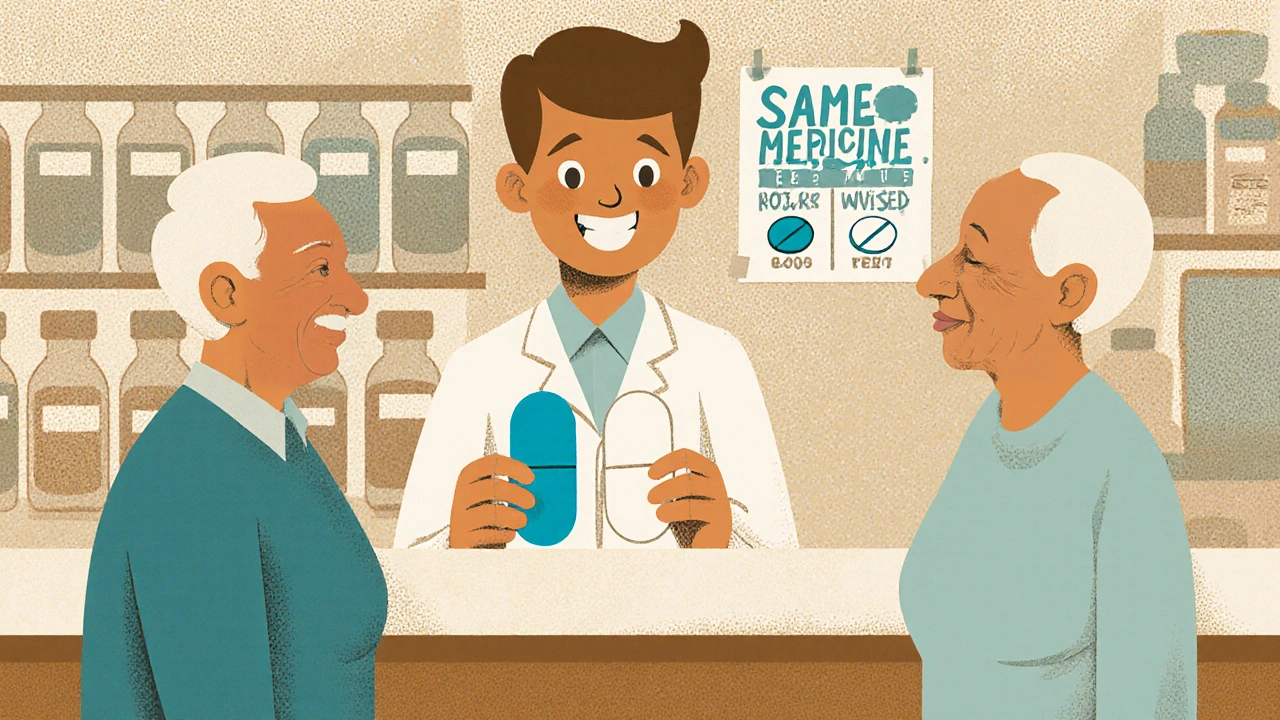
When you pick up a prescription, pharmacist communication, the direct exchange of medication information between you and your pharmacist. Also known as medication counseling, it’s not just about getting your pills—it’s about understanding how to use them safely, spotting hidden risks, and knowing when something doesn’t feel right. Most people think pharmacists just count tablets, but they’re trained to catch dangerous combinations, explain confusing labels, and spot when a drug might clash with your diet, other meds, or even your smoking habit. That’s why clear pharmacist communication isn’t optional—it’s your last line of defense against side effects, overdoses, and treatment failures.
Think about drug interactions, when one medication changes how another works in your body. One post shows smoking can cut clozapine levels in half—your pharmacist needs to know you smoke. Another reveals alcohol can spike INR levels on warfarin, raising bleeding risk. These aren’t myths—they’re real, documented dangers. But if you don’t ask, or if the pharmacist doesn’t explain, you might never find out. Then there’s prescription labels, the small print on your pill bottle that holds critical warnings, dosing rules, and food restrictions. Most people skim them. But a good pharmacist will walk you through each part: what the symbols mean, why the expiration date matters, and when to call back if you feel strange after taking your dose.
And it’s not just about what’s written. It’s about what’s missing. If you’re on ten different meds, your pharmacist is the only one who sees the full picture. They know if your generic Ativan was switched without warning, if your protein shake is blocking your thyroid med, or if that new supplement is interfering with your blood thinner. medication safety, the practice of preventing harm from drugs through clear information and careful monitoring depends on you speaking up and them listening. You don’t need to be an expert. Just ask: "What should I watch for?" "Can this interact with my other meds?" "Is there a cheaper or safer option?"
The posts below cover real cases where poor communication led to problems—and where clear advice made all the difference. From how to read your Rx label to why a sulfonamide allergy doesn’t mean you can’t take all sulfa drugs, you’ll find practical, no-fluff answers. You’ll learn how to spot when a generic substitution might backfire, why your pharmacist should warn you about alcohol and antibiotics, and how to use home health services if you’re managing meds alone. This isn’t theory. It’s what happens in pharmacies every day—and what you need to know to stay safe.