Dental Procedures: What You Need to Know About Common Treatments and Risks
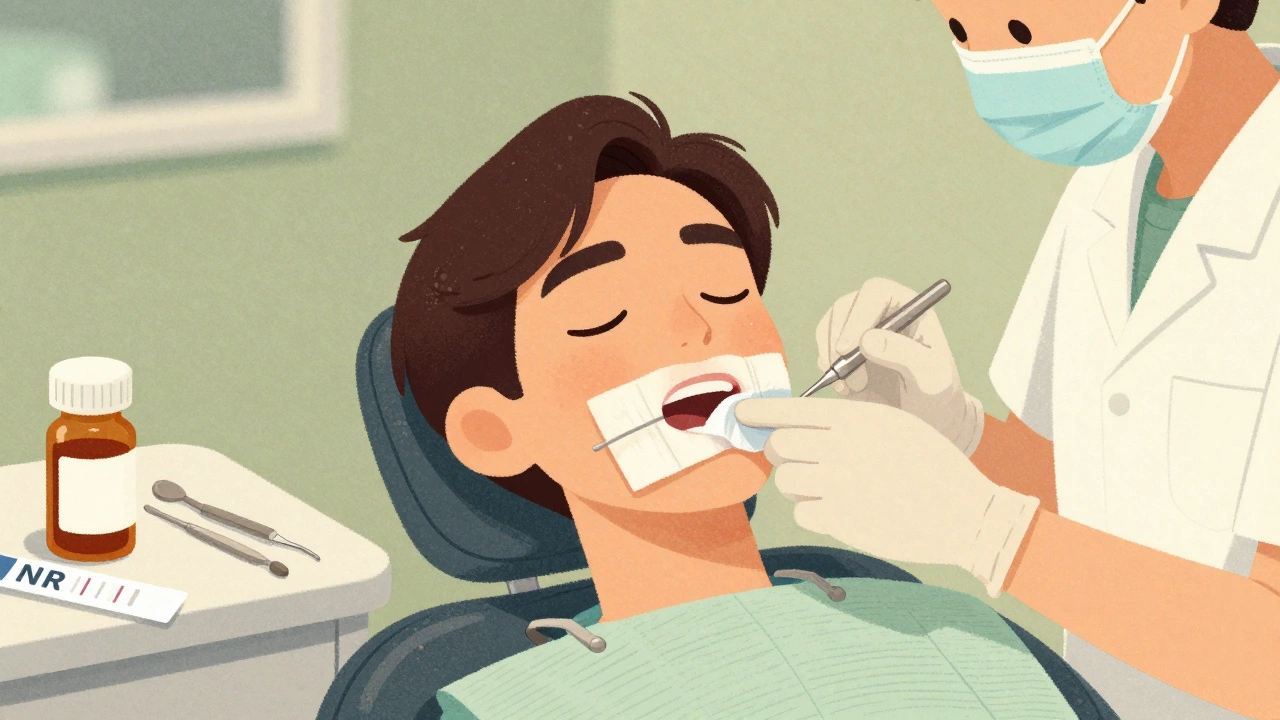
When you think about dental procedures, medical treatments performed by dentists to fix, remove, or improve the health of teeth and gums. Also known as oral treatments, they range from routine cleanings to complex surgeries that can change how you eat, speak, and smile. Most people assume dental work is just about fixing cavities, but it’s more than that. It’s about preventing bigger problems before they start — like infections that spread to your jaw, or tooth loss that affects your digestion and confidence.
Common dental fillings, restorative treatments used to repair damaged teeth from decay or trauma are the most frequent procedure, but they’re not always the simplest. Materials matter — amalgam, composite, gold — each has trade-offs in cost, durability, and appearance. Then there’s root canal, a treatment to save a tooth when the inner pulp becomes infected or inflamed. Many think it’s painful, but modern techniques make it no worse than a filling. What’s often missed is how it connects to other issues — like a tooth that’s been neglected for years, or antibiotics that didn’t fully clear the infection before the procedure.
More serious oral surgery, surgical interventions in the mouth, jaw, or face, including extractions and implant placement can be needed for impacted wisdom teeth, jaw misalignment, or replacing missing teeth with implants. These aren’t just about comfort — they’re about function. A missing back tooth can shift your bite, strain your jaw, and even change your face shape over time. And while implants are popular, they’re not for everyone. Bone density, medications like bisphosphonates, and even smoking can affect success rates.
Don’t forget tooth extraction, the removal of a tooth from its socket in the bone. It sounds basic, but complications like dry socket, nerve damage, or infection happen more often than people admit. Some people don’t realize that pulling a tooth isn’t always the end — it’s the start of a chain reaction. Adjacent teeth drift, opposing teeth over-erupt, and chewing gets harder. That’s why dentists now try to save teeth more than ever.
Behind every dental procedure is a story — someone who waited too long, someone who couldn’t afford care, someone who trusted a cheap clinic abroad. The posts below dig into real experiences: how antibiotics interact with pain meds after surgery, why some fillings fail sooner than expected, what really happens during a root canal, and how to spot warning signs before things go wrong. You’ll find advice on managing side effects, avoiding risky shortcuts, and understanding what your dentist isn’t always saying. Whether you’re preparing for a procedure or just trying to avoid one, this collection gives you the facts without the fluff.