CYP3A4: What It Is, Why It Matters for Your Medications
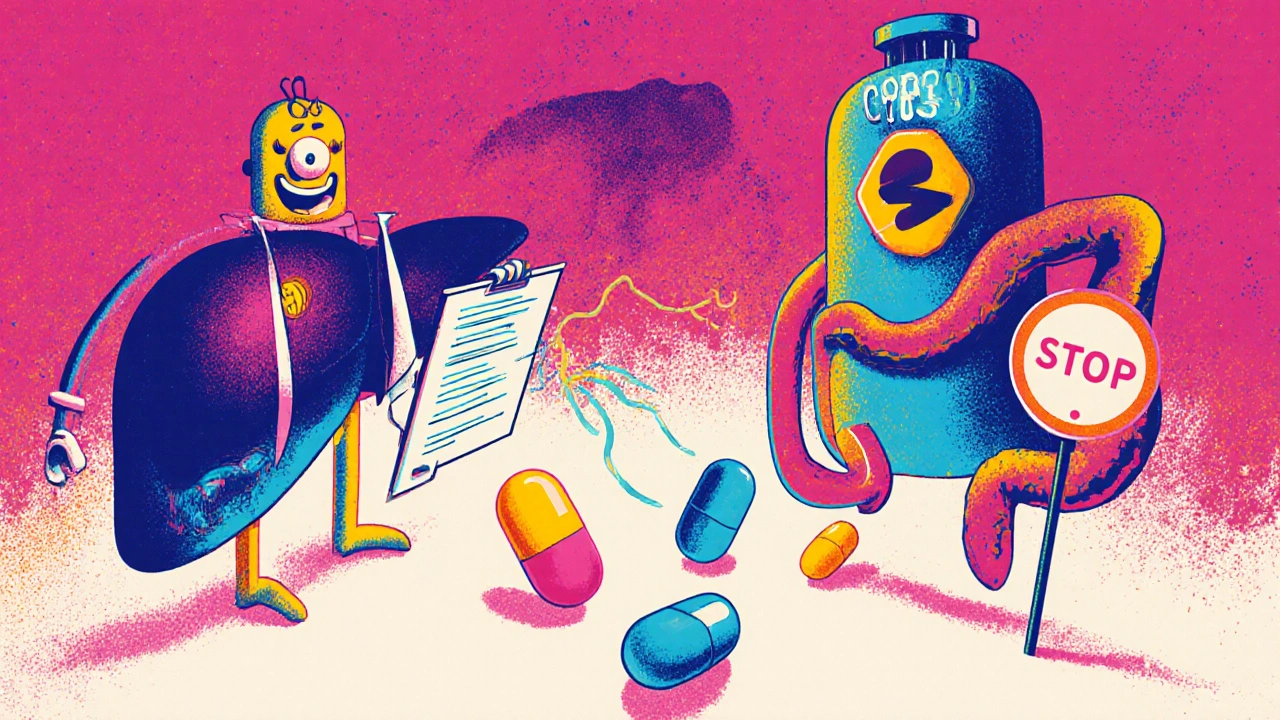
When you take a pill, your body doesn’t just let it sit there—it has to break it down. And one of the biggest players in that process is CYP3A4, a liver enzyme responsible for metabolizing over half of all commonly prescribed drugs. Also known as cytochrome P450 3A4, it’s the workhorse of your body’s drug-processing system. If CYP3A4 is working too fast, your medicine might not stick around long enough to help. If it’s slowed down, the drug can build up to dangerous levels. That’s why this one enzyme affects everything from your blood pressure pills to your painkillers and even your antidepressants.
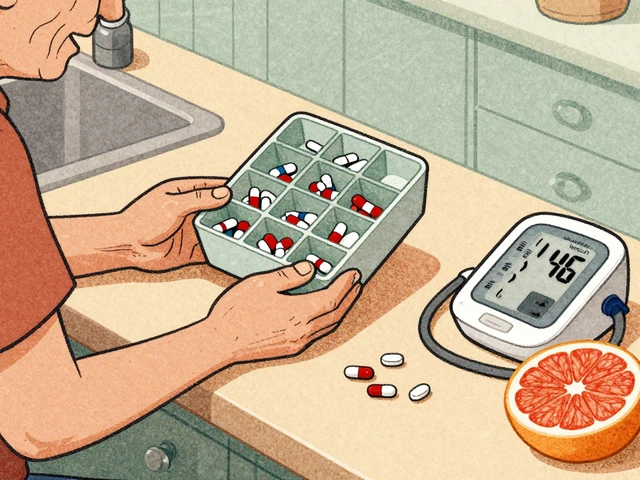
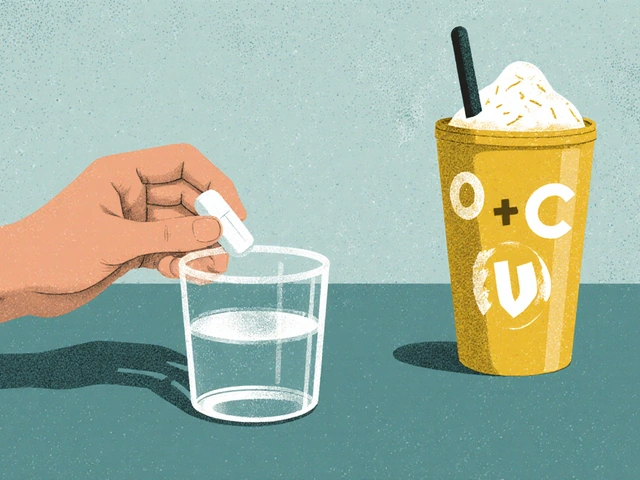
CYP3A4 doesn’t work alone. It’s constantly being influenced by other things you take. Grapefruit juice? It’s one of the most well-known CYP3A4 inhibitors, a substance that blocks the enzyme and causes drugs to stay in your system longer. Antibiotics like clarithromycin? Same thing. On the flip side, St. John’s wort, some epilepsy meds, and even smoking can induce CYP3A4, meaning they speed up the enzyme and make your meds less effective. These aren’t just theoretical risks—people end up in the hospital because of these interactions. A common example: taking simvastatin (a cholesterol drug) with grapefruit juice can spike muscle damage risk. Or mixing certain HIV meds with erectile dysfunction pills and ending up with dangerously low blood pressure.
What makes CYP3A4 tricky is that it’s invisible. You can’t feel it working. But its impact shows up in side effects, failed treatments, or sudden toxicity. That’s why understanding it isn’t just for doctors—it’s for anyone on more than one medication. If you’ve ever wondered why your doctor asked about your supplements, or why they switched your painkiller, or why they told you to avoid orange juice with your pills—this enzyme is often the reason.
The posts below dive into real-world cases where CYP3A4 plays a hidden role. You’ll find comparisons of drugs like doxycycline, famotidine, and dutasteride—all of which are processed by this enzyme. You’ll see how antibiotics interact with other meds, why some supplements can ruin your treatment, and how to spot red flags before they become emergencies. This isn’t about memorizing biochemistry. It’s about making smarter choices so your meds actually work—and don’t hurt you.