Corticosteroids: What They Are, How They Work, and What You Need to Know
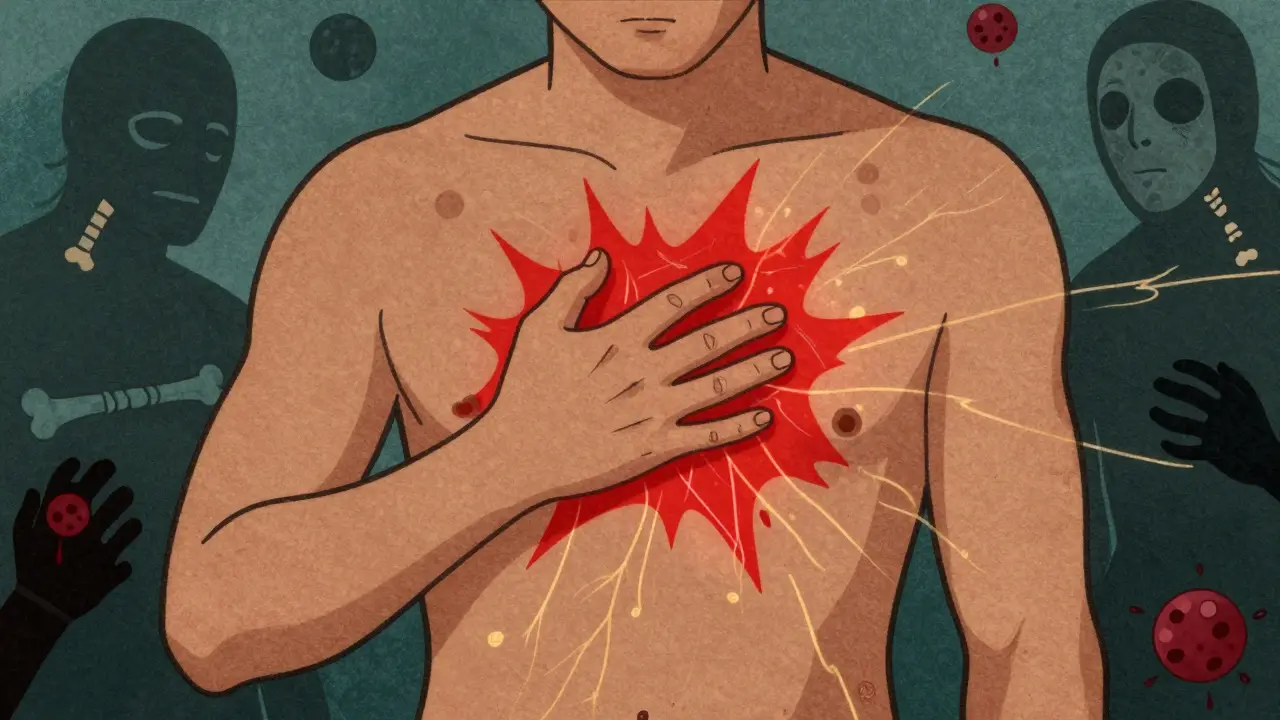
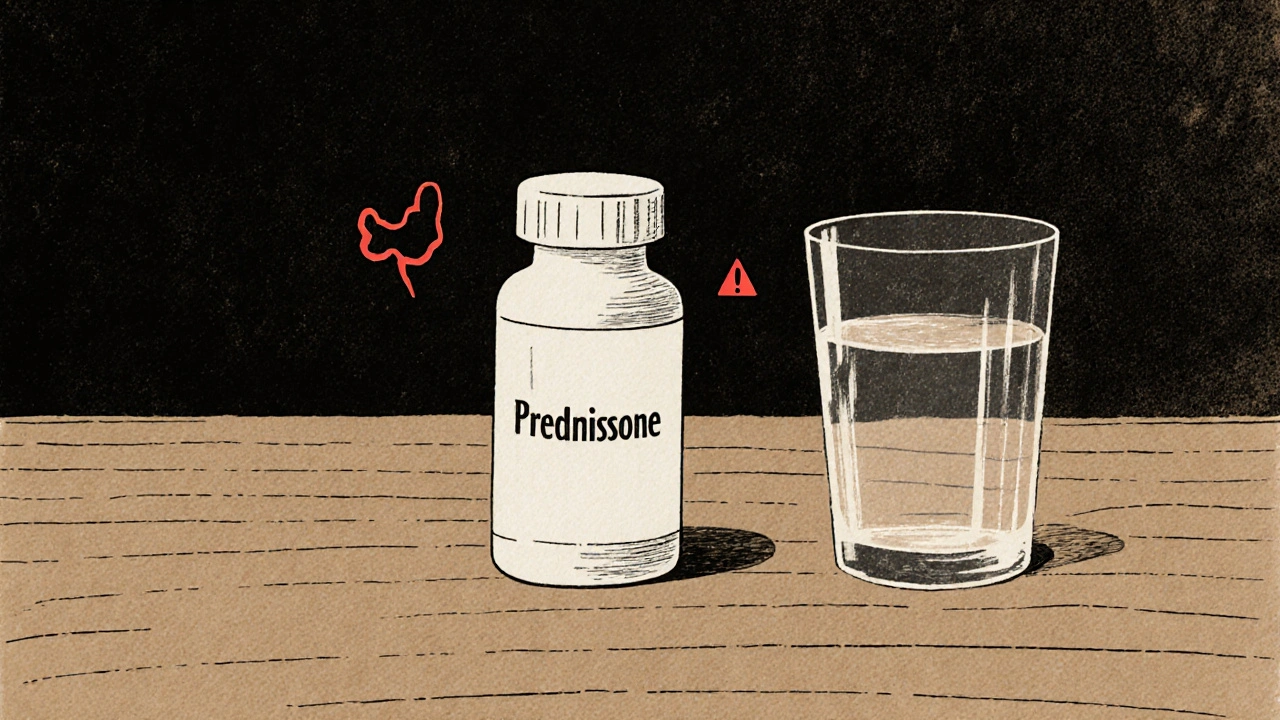
When your body’s immune system goes too far—attacking your own muscles, skin, or joints—it’s often corticosteroids, a class of synthetic drugs that mimic natural hormones produced by the adrenal glands to reduce inflammation and calm immune responses. Also known as steroids, they’re not the same as the muscle-building kind you hear about in sports. These are medical tools, used for conditions like asthma, rheumatoid arthritis, lupus, and even severe allergies. They work fast, often within hours, shutting down the body’s inflammatory signals. That’s why doctors reach for them when other treatments fail.
But they’re not harmless. Long-term use can lead to osteoporosis, a condition where bones become thin and brittle due to reduced bone density caused by prolonged steroid use, high blood sugar, a common side effect where corticosteroids interfere with insulin function, raising glucose levels even in people without diabetes, or even adrenal suppression, a state where the body stops making its own cortisol because it’s gotten too much from pills. That’s why you can’t just stop them cold—you have to taper off slowly. Many people don’t realize this, and it’s one of the most dangerous mistakes made with these drugs.
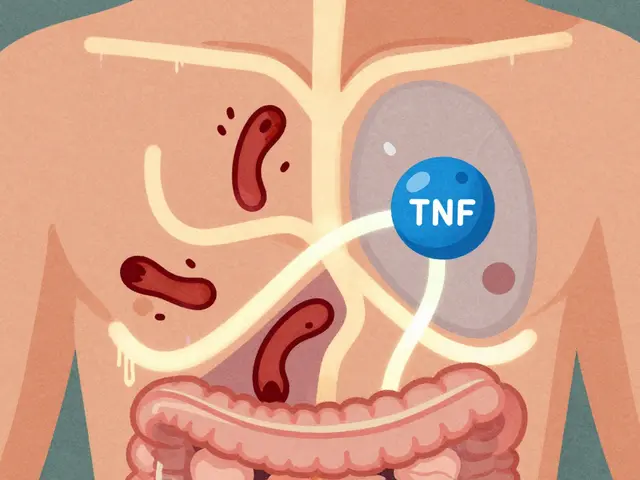
Corticosteroids show up in many forms: pills, injections, creams, inhalers, even eye drops. The way you take them changes how they affect you. A cream for eczema won’t wreck your bones, but a monthly shot for lupus might. And while they’re often used for autoimmune diseases, they’re also key in treating severe reactions like anaphylaxis or flare-ups of dermatomyositis, an inflammatory muscle disease where corticosteroids are a first-line treatment to reduce muscle damage. But newer options are emerging—drugs that target specific immune pathways without the broad side effects of steroids. That’s why some of the posts below explore alternatives, especially for people who’ve been on steroids for years.
What you’ll find here isn’t just theory. Real stories from providers about when generics worked, when they didn’t. How people manage side effects at home. What happens when you mix steroids with alcohol or other meds. And how to talk to your doctor about reducing your dose without triggering a flare. This isn’t a one-size-fits-all topic. It’s personal. And the right info could mean the difference between feeling better and feeling worse.