Colesevelam Constipation: What You Need to Know About This Side Effect
When you take colesevelam, a bile acid sequestrant used to lower LDL cholesterol. Also known as Welchol, it works by binding to bile acids in your gut and flushing them out—forcing your liver to pull more cholesterol from your blood to make new ones. But for many people, this helpful mechanism comes with an unwanted side effect: constipation.
It’s not rare. Studies show up to 1 in 5 people on colesevelam report trouble passing stool regularly. That’s because colesevelam is a powder that swells up in your intestines, absorbing water and making stools harder to move. Unlike some laxatives that stimulate the gut, colesevelam just sits there, thickening things up. It’s not a lazy bowel—it’s a dry one. And if you’re not drinking enough water, it gets worse fast. People who already struggle with digestion, older adults, or those on other meds like opioids or anticholinergics are more likely to feel the pinch.
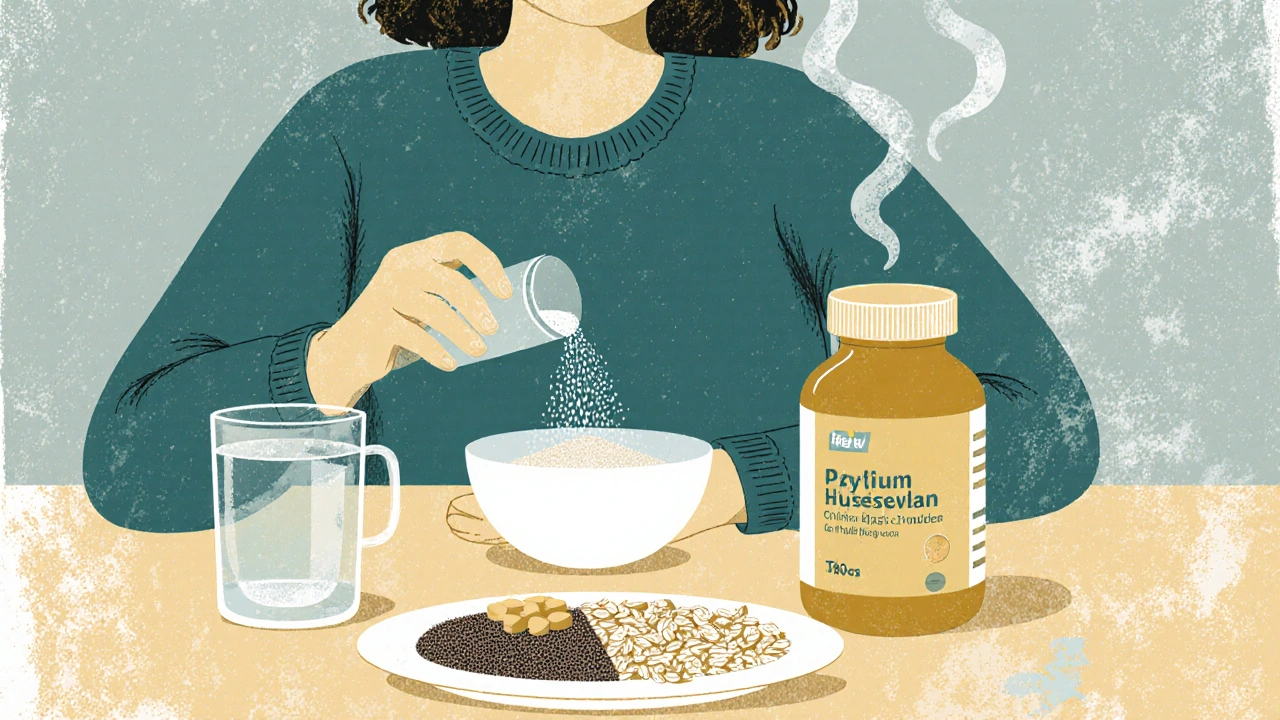
It’s not just about skipping a day or two. Chronic constipation from colesevelam can lead to bloating, discomfort, and even hemorrhoids. But here’s the good news: it’s usually fixable. Most people don’t need to stop the med. Simple fixes work: drink at least 8 glasses of water a day, add more fiber from oats, beans, or vegetables, and move your body—even a 20-minute walk helps. If that doesn’t cut it, talk to your doctor about switching to a different cholesterol drug, like ezetimibe or a low-dose statin, which rarely cause constipation. Don’t just push through it. Your gut matters.
And while we’re talking about colesevelam, remember it doesn’t work alone. It’s often paired with statins, so if you’re on both, the constipation might be from one or both. Also, colesevelam can interfere with how other meds are absorbed—like thyroid pills or birth control—so timing matters. Take it at least 4 hours before or after other drugs. That’s a detail your pharmacist can help you map out.
There’s a lot of noise out there about cholesterol meds, but the real question isn’t whether colesevelam works—it’s whether it works for you. If constipation is making your life harder, you’re not stuck with it. There are options. Below, you’ll find real experiences and practical advice from people who’ve been there—how they managed the side effects, when they switched meds, and what actually helped their digestion without giving up their heart health.