Audiometric Testing: What It Is, Why It Matters, and What to Expect
When you hear a sound but can’t make out the words, or if people keep telling you to turn the TV down, it might be time for an audiometric testing, a standard clinical procedure used to measure how well a person hears different sounds at various volumes and pitches. Also known as a hearing test, it’s not just for older adults—it’s a key part of monitoring hearing health at any age. This isn’t a quick checkup; it’s a detailed assessment that helps doctors spot problems before they worsen, whether from noise exposure, aging, medication side effects, or underlying conditions.
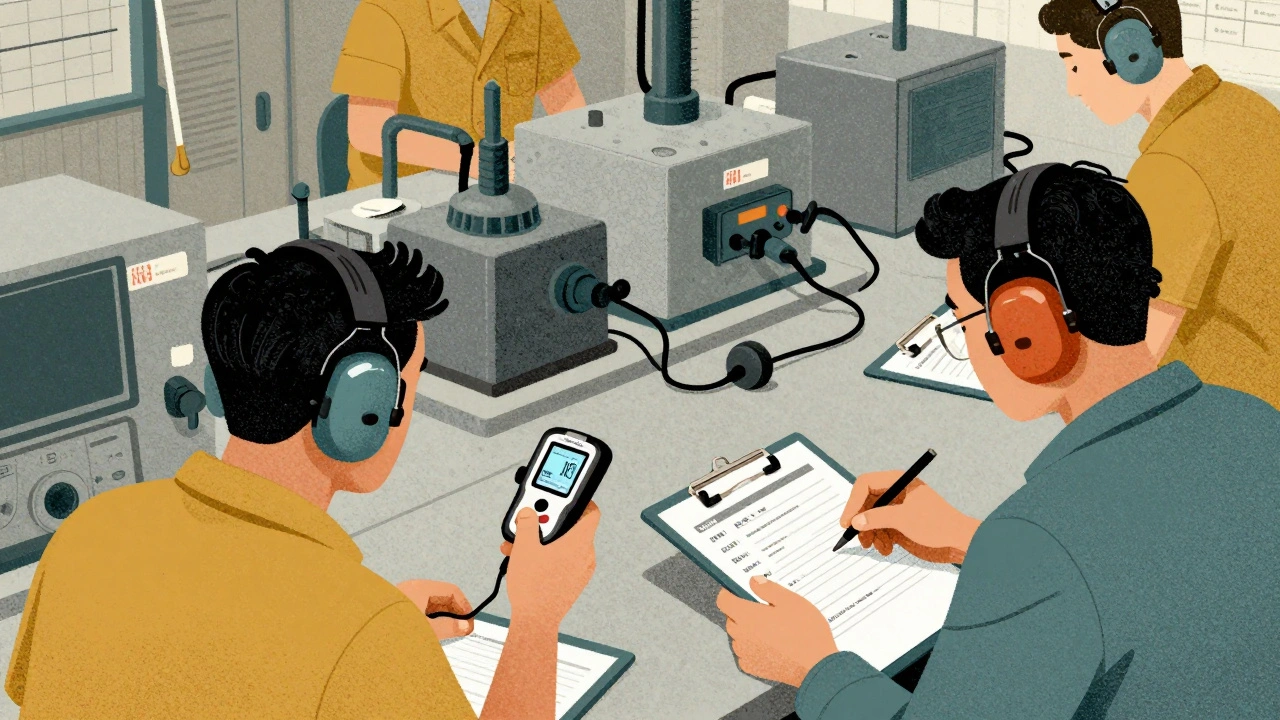
Audiometric testing is often done by an audiologist, a healthcare professional trained to diagnose and manage hearing and balance disorders. The test usually happens in a quiet room, where you wear headphones and press a button every time you hear a tone. The results are plotted on an audiogram—a graph that shows exactly which frequencies you struggle with. This isn’t guesswork. It’s data-driven. And that data helps decide if you need hearing aids, lifestyle changes, or further medical evaluation. For people on medications like certain antibiotics or chemotherapy drugs, which can damage hearing, regular audiometric testing isn’t optional—it’s a safety step.
It’s also tied to how we manage hearing loss, a gradual decline in the ability to perceive sound, often unnoticed until it affects daily communication. Many assume hearing loss is just part of getting older, but untreated hearing loss links to cognitive decline, social isolation, and even depression. Audiometric testing catches it early, so you can act. It’s not just about hearing better—it’s about staying connected, safe, and sharp.
And while the test itself is simple, the reasons behind it aren’t. People with chronic illnesses, those working in loud environments, or those taking drugs known to affect hearing—like high-dose NSAIDs or certain diuretics—should get tested regularly. Even if you feel fine, a baseline test gives you something to compare against later. It’s like checking your blood pressure or cholesterol, but for your ears.
What you’ll find in the posts below are real stories and facts about how hearing health connects to medications, workplace safety, aging, and even how we communicate with doctors. You’ll learn how some drugs silently damage hearing, why ignoring early signs can cost you more than money, and how simple tests can change your quality of life. This isn’t just about tones and buttons—it’s about protecting the way you experience the world.