Allergic Reaction to Antibiotics: Symptoms, Risks, and What to Do
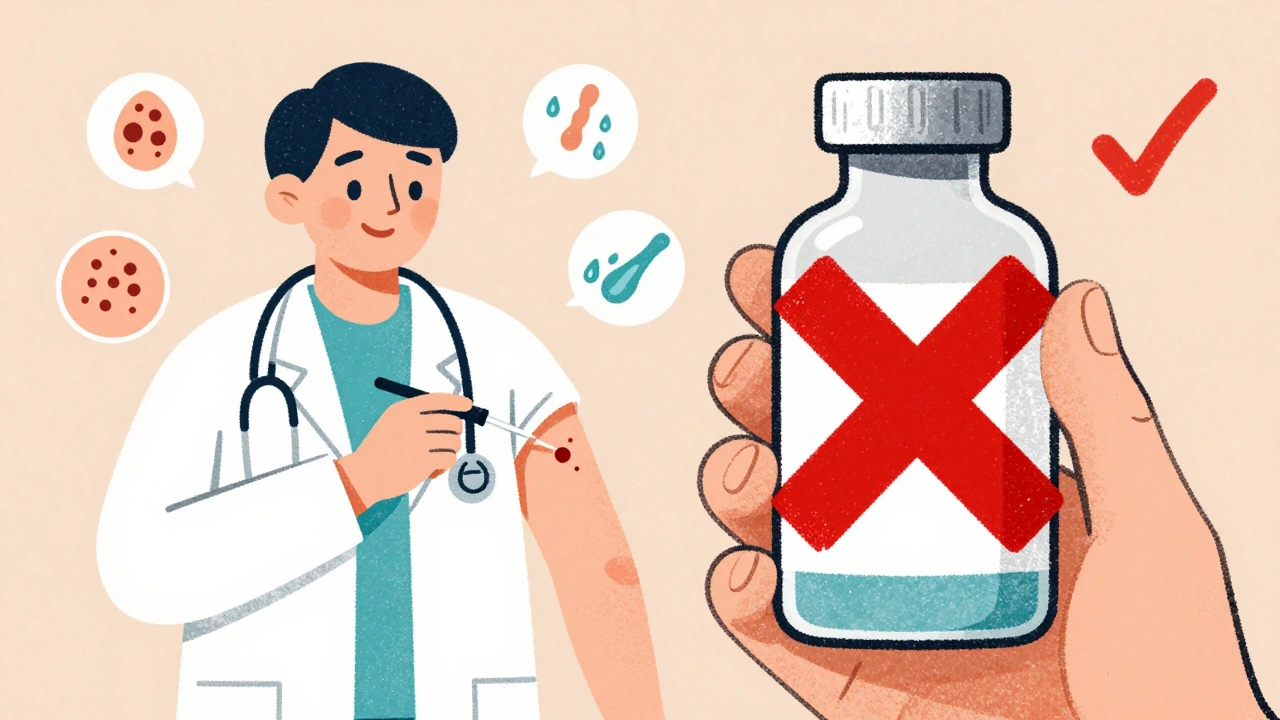
When your body mistakes a harmless antibiotic for a threat, it can trigger an allergic reaction to antibiotics, an immune system response to a drug that causes symptoms ranging from mild itching to life-threatening swelling. Also known as antibiotic allergy, this isn’t just a side effect—it’s your body attacking the medicine itself. Unlike nausea or dizziness, which are common side effects, a true allergy involves your immune system releasing histamines and other chemicals that cause hives, swelling, trouble breathing, or even anaphylaxis, a sudden, severe reaction that can shut down breathing and blood pressure. This isn’t rare: about 10% of people say they’re allergic to penicillin, but studies show most of them aren’t—either the reaction was misdiagnosed or they outgrew it.
Not all antibiotics cause the same reactions. Penicillin and sulfa drugs are the most common culprits, but even cephalosporins, macrolides like azithromycin, and tetracyclines can trigger responses. Symptoms can show up minutes after taking the pill—or days later. A rash that starts on the chest and spreads? Could be an allergy. Swollen lips or throat? That’s urgent. A fever with blistering skin? That’s a rare but dangerous condition called Stevens-Johnson syndrome. And here’s the catch: if you’ve had one allergic reaction, you’re more likely to have another with the same drug or a similar one. That’s why knowing exactly what you reacted to matters.
Many people avoid antibiotics altogether because they think they’re allergic, only to end up on stronger, costlier, or more dangerous drugs. That’s why getting tested—even years after a reaction—is smart. Skin tests and blood tests can confirm if you’re truly allergic or just had a side effect. And if you’re labeled allergic but never had a confirmed diagnosis, you might be missing out on the best treatment for your infection.
What you’ll find in the posts below aren’t just general warnings. You’ll see real cases of people who thought they were allergic but weren’t. You’ll learn how doctors tell the difference between a rash from an infection and a rash from the drug. You’ll find out which antibiotics are safest if you’re allergic to one, and what to do if you accidentally take the wrong one. There’s also guidance on how to talk to your pharmacist or doctor about your history, how to carry allergy info in an emergency, and what to do if you react while traveling. This isn’t just about avoiding a bad reaction—it’s about making sure you get the right treatment when you need it most.