ADE Prevention: How to Spot and Avoid Dangerous Drug Reactions
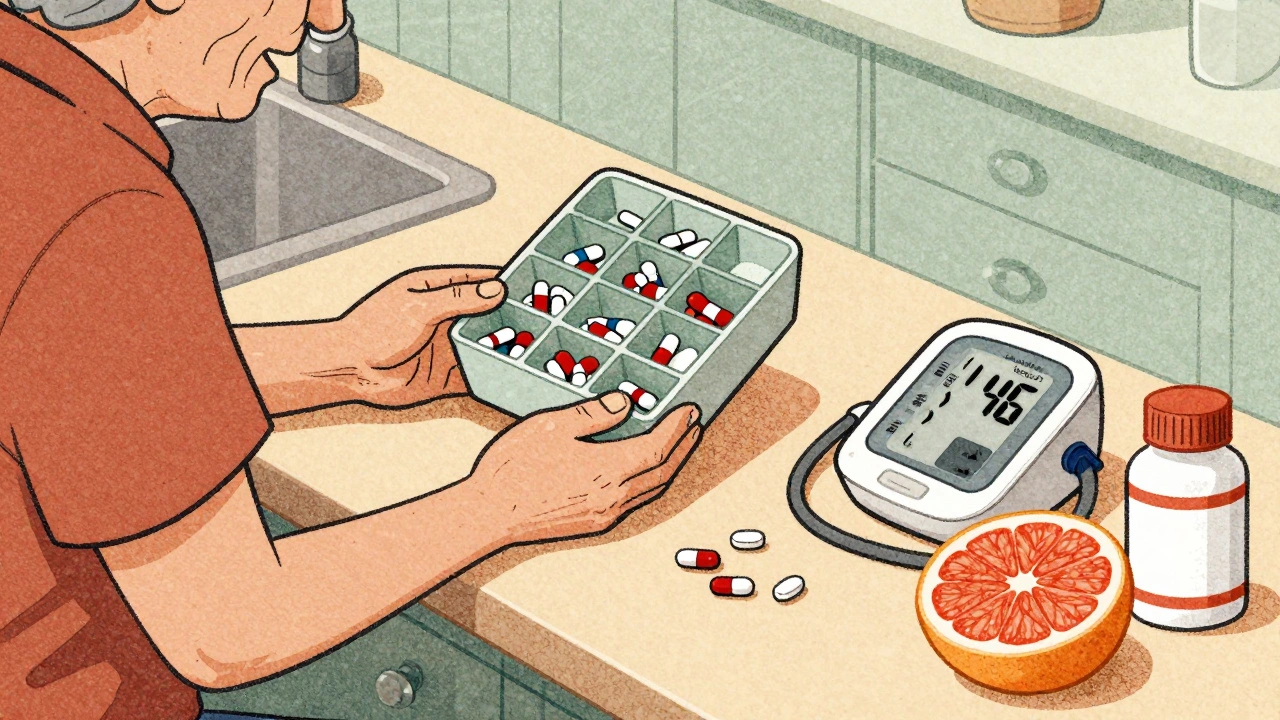
When you take a medication, you expect it to help—not hurt. But adverse drug reactions, unintended and harmful responses to medicines at normal doses. Also known as ADEs, they’re one of the leading causes of hospital visits and even death, yet most are preventable. ADE prevention isn’t about avoiding all drugs—it’s about knowing when a medicine might turn dangerous and how to stop it before it starts.
These reactions aren’t always obvious. Some show up as a rash or dizziness. Others sneak in as confusion, irregular heartbeat, or sudden kidney trouble. They can come from a single drug, like tricyclic antidepressants raising dementia risk, or from how drugs mix—like alcohol and warfarin, a combination that can spike INR levels and cause internal bleeding. Or take clozapine, an antipsychotic whose levels drop by half if you smoke. Quitting suddenly? That can trigger toxicity. These aren’t rare edge cases. They’re everyday risks hidden in plain sight.
Preventing ADEs means paying attention to details most people ignore. It’s knowing that colesevelam, a cholesterol drug can cause severe constipation if you don’t drink enough water. It’s realizing that generic medications, while safe and effective for most, can sometimes trigger unexpected reactions if your body is sensitive to fillers or coatings. It’s understanding that sulfonamide allergies, don’t mean you must avoid every sulfa-containing drug—only the ones with similar chemical structures. The real key? Communication. Tell your pharmacist if you’ve had a bad reaction before. Ask your doctor if a new prescription interacts with your current ones. Use tools like the FDA’s FAERS database to check reports on drugs you’re taking.
You don’t need to be a medical expert to protect yourself. You just need to be curious. The posts below give you real stories, clear data, and practical steps—from how to read your prescription label to what to do when a drug causes bloating, bleeding, or brain fog. These aren’t theory pages. They’re field guides written by people who’ve seen what happens when ADE prevention fails—and how to make sure it doesn’t happen to you.