Workplace Hearing Protection: Essential Guides for Safe Listening at Work
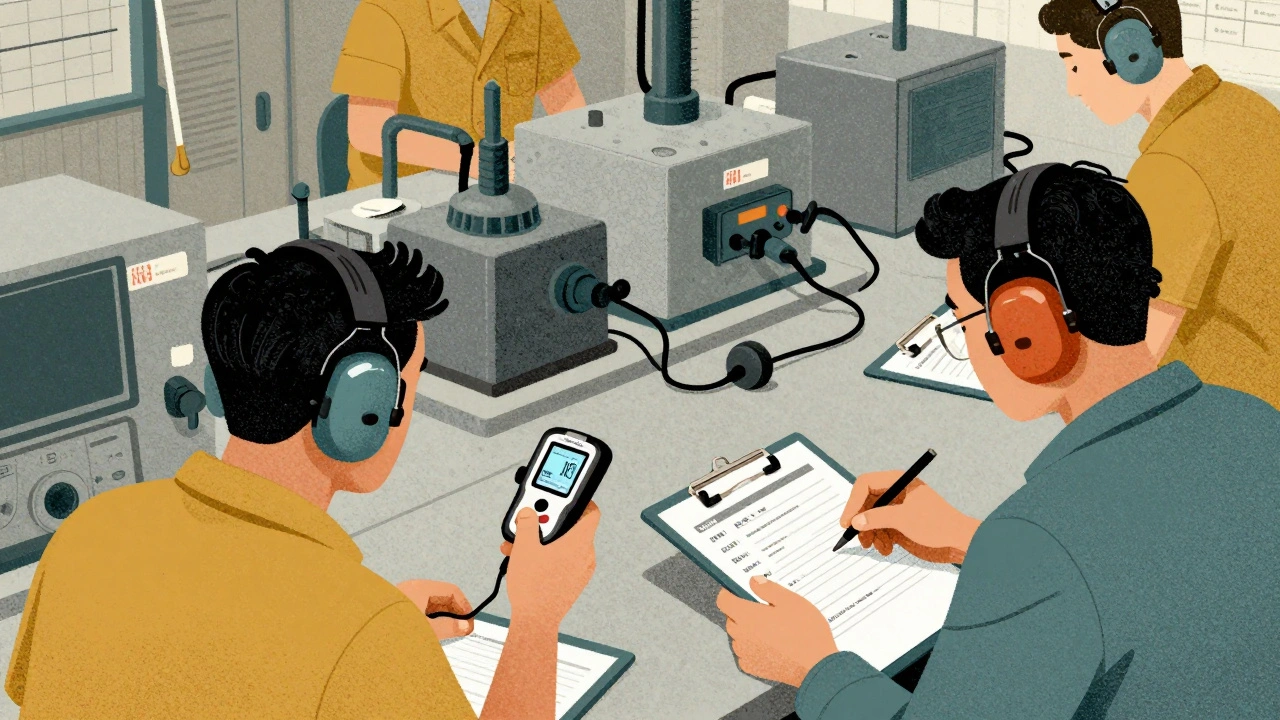
When you work in a noisy environment—whether it’s a factory floor, construction site, or airport tarmac—your hearing is at risk. Workplace hearing protection, a set of practices and devices designed to reduce exposure to harmful noise levels in occupational settings. Also known as noise control measures, it’s not optional—it’s required by law in many countries when noise exceeds 85 decibels over an 8-hour shift. Every year, thousands of workers suffer permanent hearing loss simply because they weren’t given proper protection—or didn’t know how to use it right.
Noise-induced hearing loss, a gradual, painless, and irreversible condition caused by long-term exposure to loud sounds doesn’t show up overnight. It sneaks in over months or years. By the time you notice trouble hearing conversations or needing the TV louder, the damage is done. That’s why hearing protection devices, including earplugs, earmuffs, and custom-fitted solutions used to block or reduce hazardous noise matter so much. Not all are created equal. Foam plugs might work for a warehouse worker, but a pilot needs a different kind of attenuation. And if you’re wearing them wrong, they might as well not be there.
OSHA hearing standards, the U.S. government’s rules that mandate employers provide hearing protection and monitoring when noise levels hit dangerous thresholds are clear: if you’re exposed to 85 dB or more for 8 hours, your employer must act. But compliance doesn’t always mean care. Many workers get handed a pair of cheap earplugs and told to figure it out. That’s not enough. Real protection means training, fit testing, regular check-ups, and choosing the right tool for the job. It also means knowing when to speak up—if your earmuffs don’t seal, your plugs don’t expand, or your workplace doesn’t track noise levels, you’re being put at risk.
What you’ll find here isn’t theory. It’s real advice from people who’ve been there—workers who learned the hard way, safety officers who’ve seen the results, and health professionals who know what actually works. You’ll see how to pick the right device, how to use it correctly, how to spot early signs of damage, and how to push back when your employer cuts corners. This isn’t about compliance forms. It’s about keeping your hearing for the rest of your life.