Pill Splitter: How to Safely Split Pills and Why It Matters
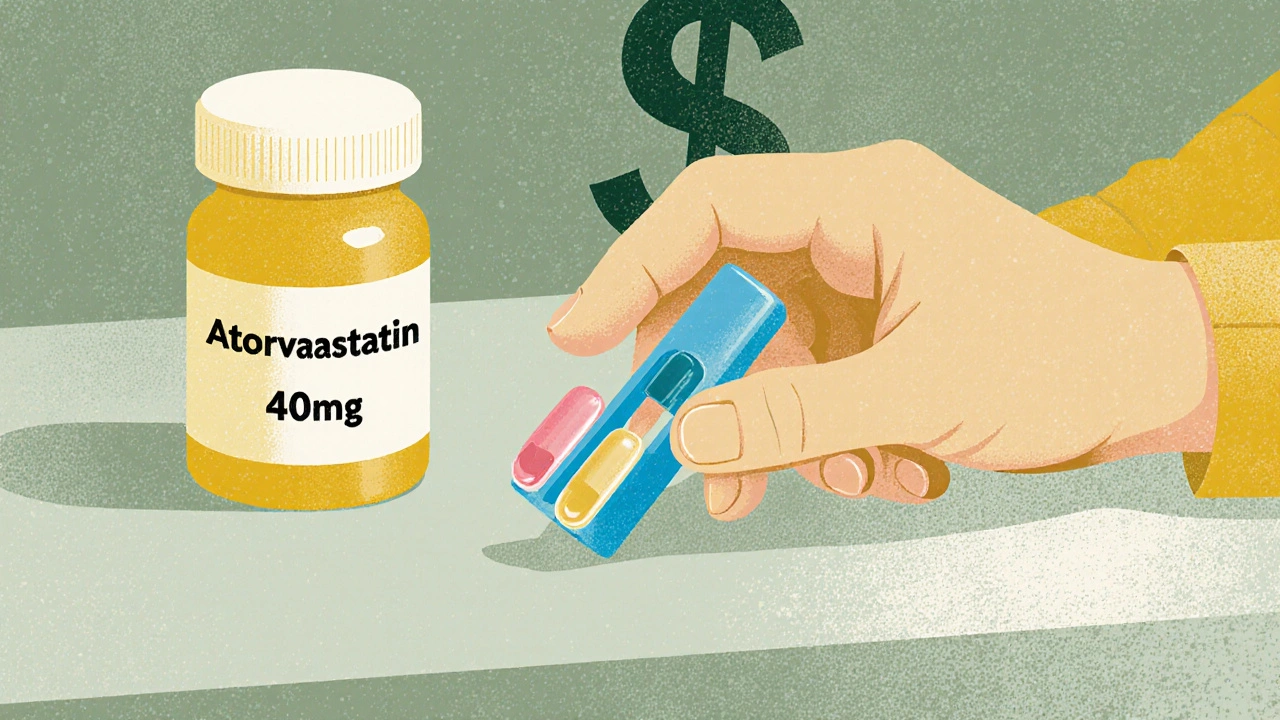
When you need to take half a pill, a pill splitter, a simple device designed to cut tablets into precise halves or quarters. Also known as a pill cutter, it’s not just a cost-saver—it’s a tool that helps you match your exact dosage when pharmacies don’t stock the strength you need. Many people split pills to stretch their supply, avoid side effects from higher doses, or follow a doctor’s instructions. But doing it wrong can lead to uneven doses, wasted medicine, or even dangerous overdoses.
Not all pills can be split safely. Extended-release tablets, capsules, enteric-coated pills, and some time-release drugs break down unpredictably when cut. A pill splitter, a device with a blade and guard to hold the tablet steady helps reduce risk, but it’s not a fix-all. You still need to check with your pharmacist or doctor first. Some medications, like levothyroxine or praziquantel, require precise dosing—splitting them might throw off absorption or effectiveness. And if your pill has a special coating, like those used for acid reflux or blood thinners, cutting it can ruin how it works in your body.
Even the best pill splitter, a handheld tool with a blade and holding chamber won’t help if you’re using it on the wrong pill. Look for a scored line—that’s the manufacturer’s signal that splitting is okay. Use a clean, dry device. Don’t split pills in humid bathrooms. Store split pills in a dry, cool place and use them within a few days. If you’re splitting pills for a loved one, like an elderly parent managing multiple meds, a good splitter can make daily routines easier. But always pair it with clear labeling—put the name and dose on a small sticker or note. Mixing up half a pill of one drug for another is a real risk.
Some people split pills to save money—generic versions often come in higher doses and cost less per pill. But if you’re splitting because you can’t afford your meds, talk to your doctor. There might be cheaper alternatives, patient assistance programs, or different formulations that don’t require cutting. A pill splitter isn’t a substitute for proper care. It’s a tool, and like any tool, it works best when used with knowledge and caution.
What you’ll find below are real-world guides on managing medications safely—whether you’re packing travel pills, reading prescription labels, or dealing with drug interactions. You’ll see how splitting fits into bigger health decisions, like avoiding fentanyl in fake pills, understanding your Rx label, or choosing the right pain relief. These aren’t just tips—they’re steps to take control of your health without guessing.