P-glycoprotein: What It Is and How It Affects Your Medications
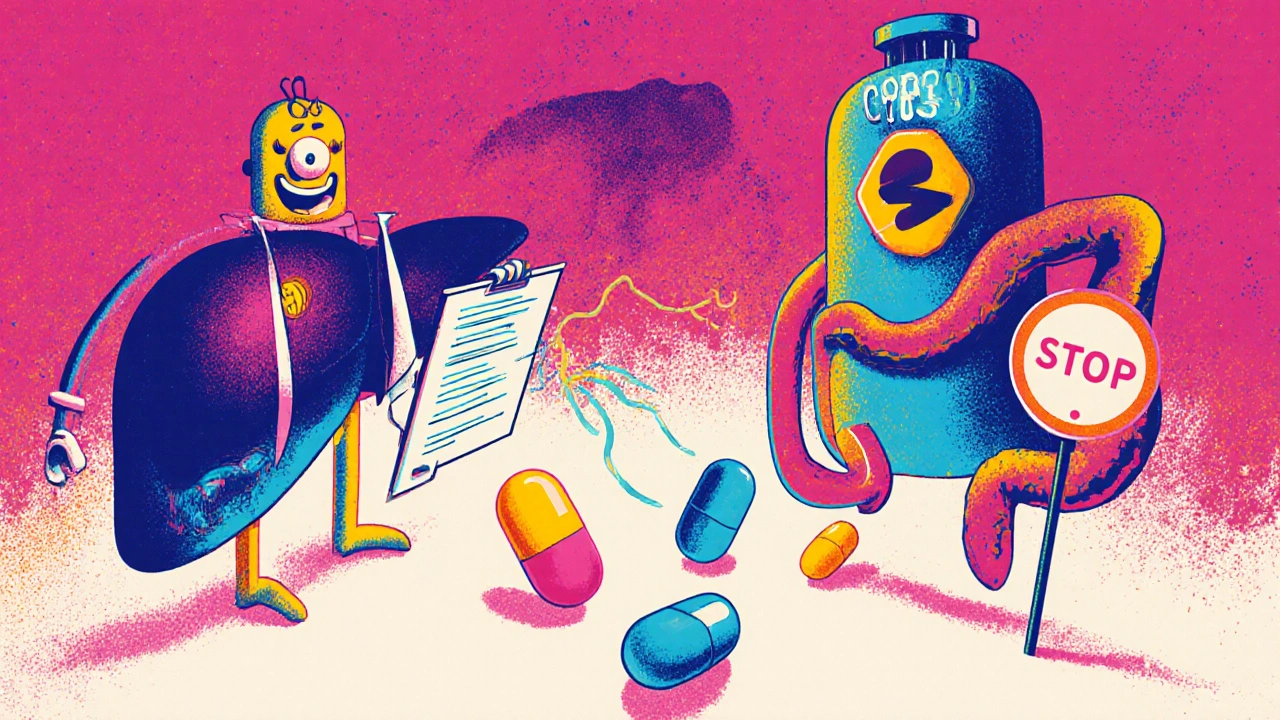
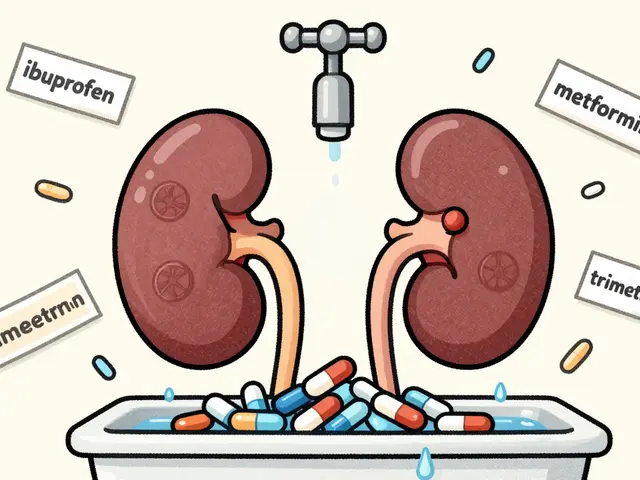
When you take a pill, your body doesn’t just let it wander where it wants. P-glycoprotein, a protein that acts like a bouncer at the cell door, kicking out certain drugs before they can do their job. Also known as MDR1, it’s part of your body’s defense system that keeps toxins and drugs from building up in sensitive tissues like the brain, liver, and intestines. Think of it as a gatekeeper — it decides what gets in, what gets out, and what gets stuck. If P-glycoprotein is too active, your meds might not work well. If it’s too quiet, you could end up with too much drug in your system. That’s why it matters — whether you’re on antibiotics, blood thinners, or even antidepressants.
This protein doesn’t work alone. It’s closely tied to drug interactions, when one medication changes how another behaves in your body. For example, grapefruit juice can block P-glycoprotein, making drugs like statins or blood pressure pills stronger than intended. On the flip side, some herbs like St. John’s wort can turn it up, making your meds less effective. It also plays a big role in medication absorption, how well your gut pulls drugs into your bloodstream. If P-glycoprotein is pumping hard in your intestines, less of the drug gets absorbed — meaning you might need a higher dose just to feel the effect. And it’s not just about pills. This protein shows up in the blood-brain barrier, the placenta, and the kidneys, influencing everything from how well your brain gets pain relief to how a fetus is exposed to meds during pregnancy.
Doctors don’t always test for P-glycoprotein activity, but they see its effects every day. That’s why some people don’t respond to certain drugs — not because they’re "resistant," but because their bodies are pushing the drug out too fast. Others have side effects because the drug built up where it shouldn’t. The posts below dig into real cases: how P-glycoprotein affects antibiotics like doxycycline, how it interacts with blood thinners like Eliquis, and why some people need different doses of antidepressants or seizure meds. You’ll find practical breakdowns of what to watch for, what to ask your pharmacist, and how to spot when your meds might be fighting your own biology.