Levothyroxine: What It Is, How It Works, and What You Need to Know
When your thyroid doesn’t make enough hormone, your body slows down—fatigue sets in, weight creeps up, and even simple tasks feel harder. That’s where levothyroxine, a synthetic version of the thyroid hormone thyroxine (T4) used to replace what your body can’t produce. Also known as synthroid, it’s the go-to medication for millions with hypothyroidism. It’s not a cure, but it’s the closest thing: a daily pill that helps your metabolism, energy, and mood get back on track.
Levothyroxine doesn’t work alone. It’s part of a bigger picture that includes other thyroid treatments. For example, if you have an overactive thyroid—like with Graves’ disease—you might take methimazole, a drug that blocks thyroid hormone production instead. Some people even use selenium, a mineral shown to lower thyroid antibodies and reduce inflammation in autoimmune thyroid conditions alongside it. But if your thyroid is underactive, levothyroxine is the baseline. It’s simple, stable, and effective when taken right—on an empty stomach, at the same time every day, and without coffee or calcium nearby.
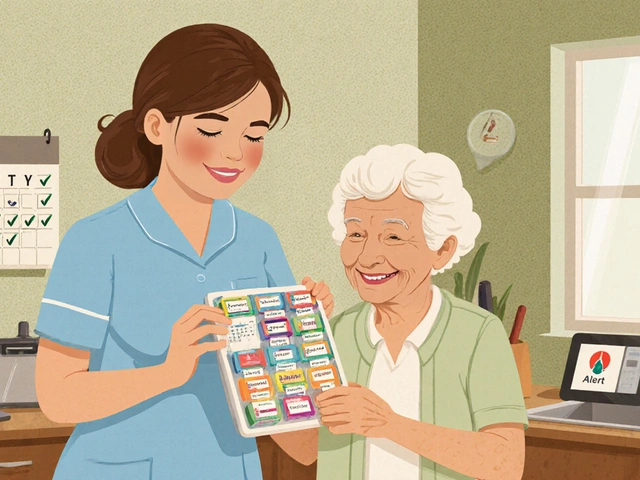
People often wonder if they can split their pills to save money. Some can—but not all. Levothyroxine tablets are usually scored, but even then, uneven splits can throw off your dose. A 25 mcg difference might seem small, but for someone sensitive to thyroid levels, it can mean more fatigue or a racing heart. That’s why many doctors prefer you stick to the exact dose prescribed. If cost is an issue, ask about generic versions—they’re just as effective and often cost a fraction.
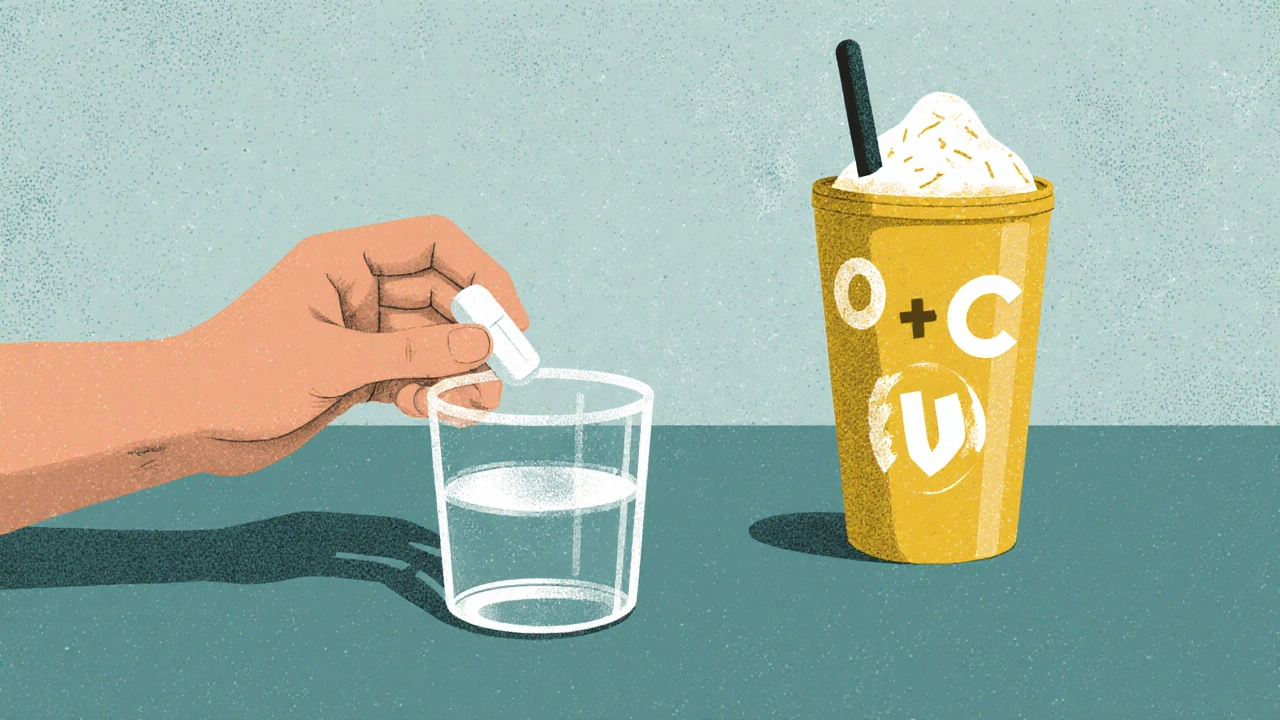
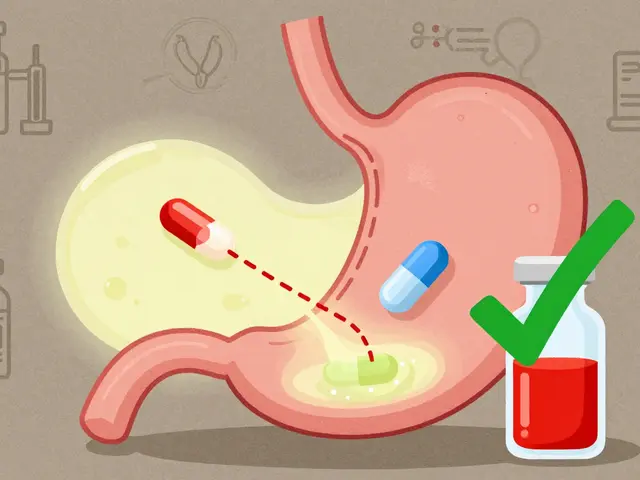
What you take with levothyroxine matters too. Iron, calcium, antacids, even soy milk can block absorption. That’s why most people take it first thing in the morning, wait 30 to 60 minutes, then eat. It’s not just about the pill—it’s about timing, habits, and how your body absorbs it. And if you’re on other meds like blood thinners or antidepressants, interactions can happen. Your pharmacist can flag those.
Levothyroxine isn’t flashy. It doesn’t cure cancer or reverse diabetes. But for the 20 million Americans with low thyroid function, it’s life-changing. It lets people sleep better, lose weight without starving, and stop feeling like they’re dragging through every day. And while it’s not the only thyroid treatment out there, it’s the one most people start with—and stay on for years.
Below, you’ll find real advice from people who’ve been there: how to split pills safely, what labels really mean, how to travel with meds, and what to watch for when combining treatments. Whether you’re new to levothyroxine or have been on it for years, these posts give you the practical, no-fluff details you won’t get from a doctor’s 10-minute visit.