Food Interactions: What You Eat Can Change How Your Medications Work
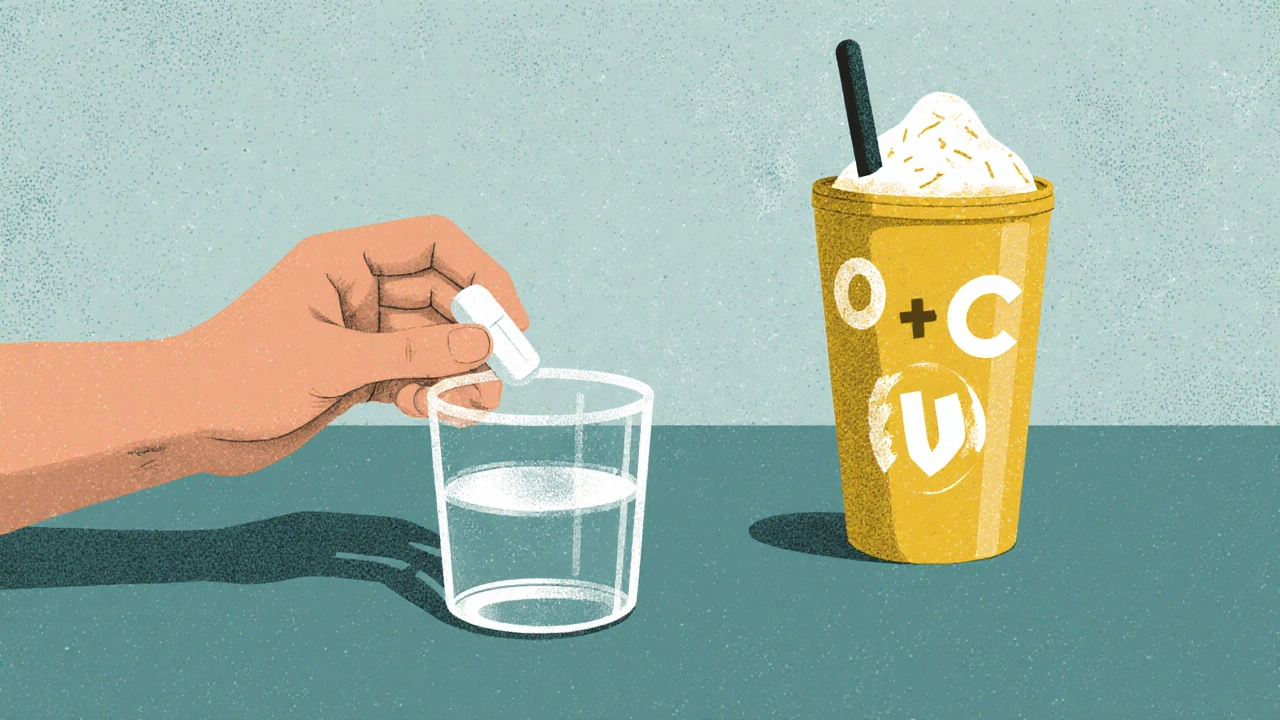
When you take a pill, it doesn’t just disappear into your system like magic. What you eat—right before, right after, or even hours later—can change how that medicine behaves in your body. This is called a food interaction, a change in how a drug works because of what you’ve eaten or drunk. Also known as drug and food interaction, it’s not rare, and it’s not always obvious. A grapefruit can turn a safe dose of blood pressure medicine into a dangerous one. A glass of milk can stop an antibiotic from working. Even a handful of spinach might mess with your blood thinner. These aren’t myths. They’re documented, real, and often overlooked.
It’s not just about fruit or dairy. caffeine, a stimulant found in coffee, tea, and energy drinks. Also known as coffee interaction, it can boost the effects of some asthma drugs and make anxiety from antidepressants worse. vitamin K, a nutrient in kale, broccoli, and Brussels sprouts. Also known as leafy greens and blood thinners, it directly fights the action of warfarin, making your clotting levels unpredictable. And then there’s alcohol, a depressant that can multiply the sedative effects of painkillers, sleep aids, and anxiety meds. Also known as drinking and drugs, it doesn’t just add risk—it can turn a normal side effect into an emergency. These aren’t just warnings on a label. They’re life-or-death details.
You don’t need to stop eating healthy foods. You just need to know when and how they mix with your meds. Some interactions are timing-based—wait two hours after your pill to drink milk. Others are dose-based—skip grapefruit entirely if you’re on statins. And some? You need to talk to your pharmacist, not just your doctor. The posts below cover exactly this: real cases, real foods, and real fixes. From how dairy affects antibiotics to why you shouldn’t eat bananas with certain blood pressure drugs, you’ll find clear, no-nonsense advice that actually helps you stay safe.