Drug Safety: Understand Risks, Interactions, and How to Stay Protected
When you take a pill, you're not just ingesting a chemical—you're starting a conversation between your body and a powerful substance. Drug safety, the practice of using medications in a way that minimizes harm while maximizing benefit. Also known as medication safety, it’s not just about avoiding overdoses—it’s about spotting hidden dangers long before they become emergencies. Many people think drug safety means reading the label and taking it as directed. But what if your morning coffee, your weekend drink, or even your protein shake is quietly sabotaging your treatment? That’s where real drug safety begins.
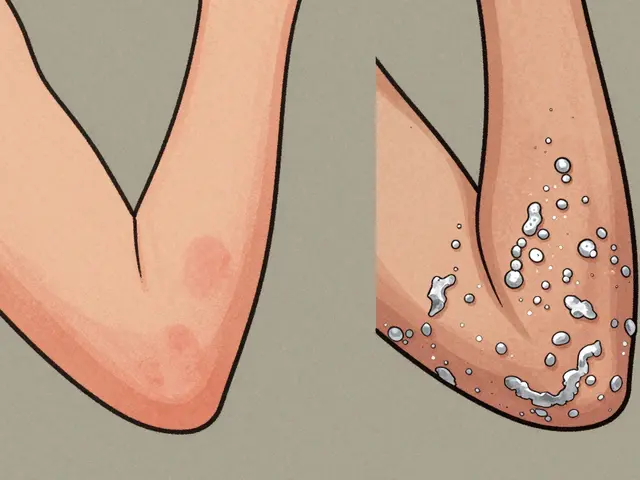
Take adverse drug reactions, unexpected and harmful responses to a medication at normal doses. Also known as ADR, these aren’t just side effects—they’re often misdiagnosed as new illnesses. One person gets dizzy on a statin and thinks it’s aging; another sees their INR spike after a beer and blames stress. But the truth? These reactions are predictable if you know the patterns. Smoking can slash clozapine levels by half. Protein shakes can block levothyroxine from being absorbed. Alcohol turns warfarin into a ticking time bomb. These aren’t rare cases—they’re common, documented, and avoidable.
And then there’s the growing threat of fentanyl counterfeit pills, fake medications laced with lethal doses of fentanyl that look identical to real prescriptions. Also known as fake oxycodone or Xanax, these aren’t street drugs—they’re sold as legitimate painkillers or anxiety meds, often online. Thousands die each year because they trusted a pill that looked right. Drug safety now includes knowing how to test pills, where to get naloxone, and why buying meds from unverified sites is gambling with your life.
Generic medications are another layer. They save money—sometimes hundreds a month—but not all substitutions are safe. Some providers report sudden drops in effectiveness, or unexpected side effects after switching brands. Why? Because therapeutic equivalence isn’t always perfect. What works for one person might not work the same for another, even if the label says it’s the same drug.
Drug safety also means understanding your label. That tiny print about "take on empty stomach"? It matters. That warning about grapefruit? It’s not a suggestion. The expiration date? It’s not just a suggestion either—some meds lose potency fast, others become toxic. And if you’re splitting pills to save cash, you need to know which ones are safe to cut and which could turn into dangerous dust.
There’s no single rule for drug safety. It’s a mix of science, awareness, and asking the right questions. It’s knowing that your body’s metabolism, your diet, your other meds, and even your genes play a role. It’s realizing that a "natural" supplement might interact with your prescription. It’s understanding that the nocebo effect—where you feel side effects because you expect them—can be just as real as the chemical ones.
Below, you’ll find real stories and clear facts from people who’ve been there—providers who’ve seen the fallout, patients who’ve learned the hard way, and experts who’ve mapped out exactly what to watch for. Whether you’re on blood thinners, thyroid meds, antipsychotics, or just trying to avoid a bad reaction, these posts give you the tools to take control—not guesswork, not fear, but real, practical knowledge.