Disulfiram-like Reaction: What It Is, Which Drugs Cause It, and How to Stay Safe
When you take a medication that causes a disulfiram-like reaction, a severe physical response triggered by alcohol consumption while on certain drugs. Also known as antabuse reaction, it happens because the drug blocks how your body breaks down alcohol, leading to a toxic buildup of acetaldehyde. This isn’t a mild upset stomach—it can mean flushing, pounding headache, vomiting, rapid heartbeat, and in rare cases, low blood pressure or trouble breathing.
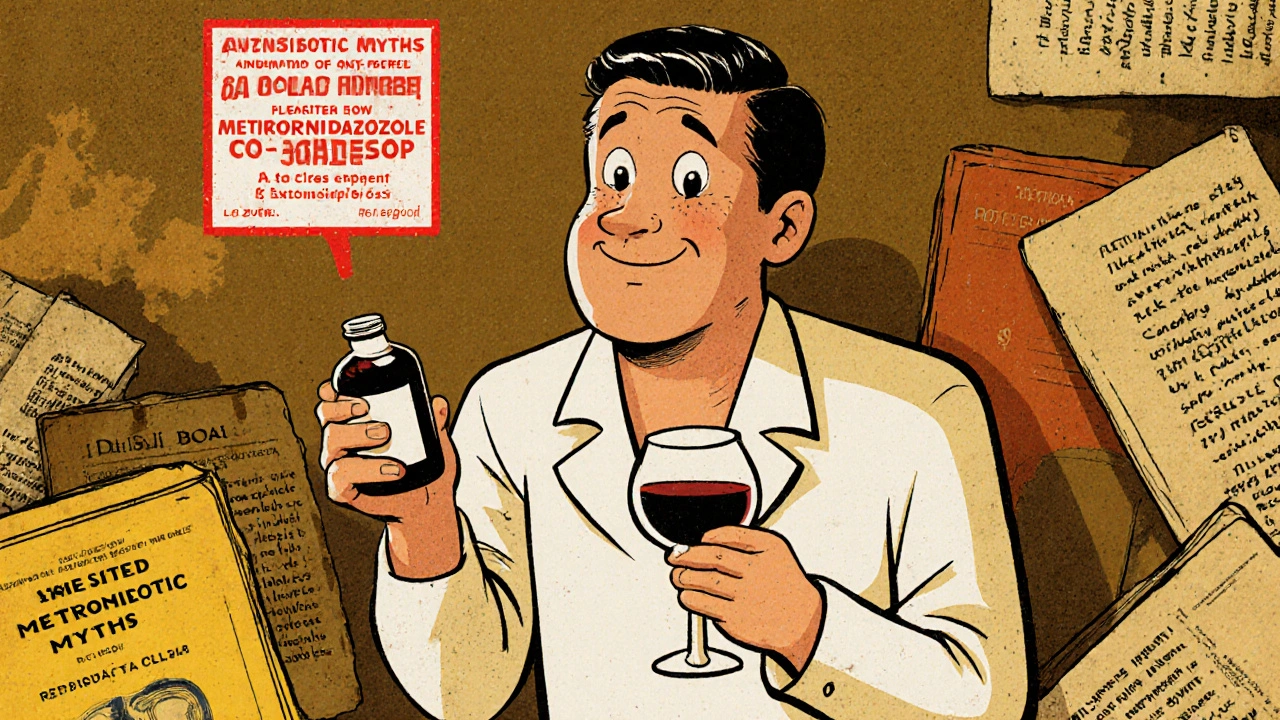
Drugs that can cause this reaction include metronidazole, an antibiotic often used for bacterial and parasitic infections, chlorpropamide, a type of oral diabetes medication no longer widely used but still found in some older prescriptions, and certain cephalosporin antibiotics like cefoperazone. Even topical products like mouthwash or hand sanitizer with alcohol can trigger symptoms if you’re on one of these meds. The reaction usually hits within minutes of drinking and can last hours. It’s not an allergy—it’s a chemical clash your body can’t handle.
People often don’t realize they’re at risk. Maybe you took metronidazole for a yeast infection and had a glass of wine thinking it was harmless. Or you’ve been on chlorpropamide for years and never heard the warning. That’s why it’s critical to read your prescription label, ask your pharmacist, and remember: if your drug list includes anything that treats infections, diabetes, or certain mental health conditions, alcohol could be dangerous—even a sip. Some drugs, like tinidazole or certain antifungals, also carry this risk, and the effects can linger for days after you stop the medication.
You don’t need to be a heavy drinker for this to matter. One beer, one shot, even a dessert with alcohol in it can be enough. The same goes for over-the-counter cough syrups, cold remedies, or herbal tinctures. If you’re unsure, check the ingredients or ask. There’s no safe amount if your body is processing the drug in this way. The best strategy? Avoid alcohol completely while on these meds—and for at least 72 hours after your last dose.
What you’ll find below are real-life cases and practical guides from people who’ve dealt with this reaction—or helped others avoid it. You’ll see how a simple mix-up with metronidazole led to an ER visit, why some patients didn’t know their diabetes pill carried this risk, and how pharmacists are teaching patients to spot hidden alcohol in everyday products. These aren’t theoretical warnings. They’re stories from clinics, pharmacies, and homes where someone learned the hard way—and now wants to help you stay safe.