Travel First Aid: Essential Kits, Medications, and Safety Tips
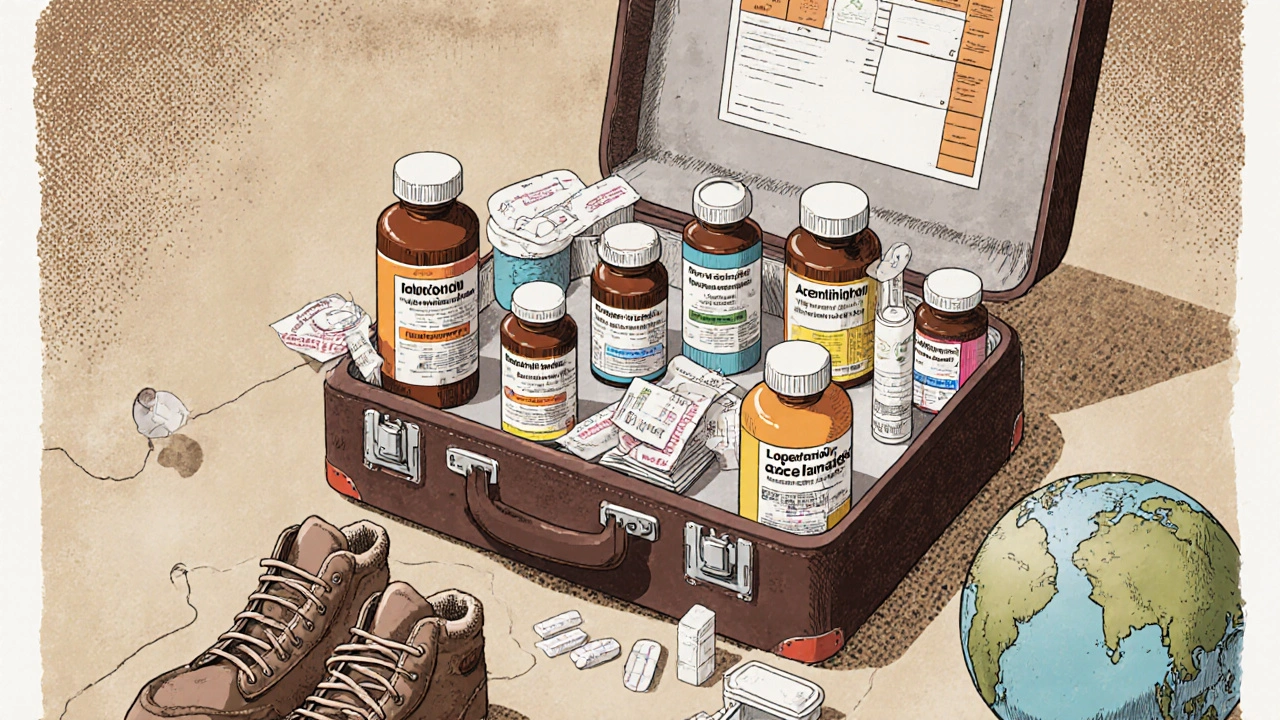
When you’re on the road, a minor cut, stomach upset, or sudden headache can turn into a big problem if you’re not ready. Travel first aid, a portable set of supplies and medications designed to handle common health issues while away from home. Also known as travel health kit, it’s not just about bandages—it’s about knowing what to pack and when to use it. Whether you’re hiking in the mountains, flying overseas, or road-tripping across states, your body faces new stressors: different food, water, time zones, and germs. A well-built travel first aid kit can mean the difference between a quick fix and a hospital visit.
Most people think of first aid kit, a compact collection of medical supplies for treating minor injuries and illnesses as just gauze and painkillers. But smart travelers include more: antidiarrheal meds like loperamide, antihistamines for allergic reactions, oral rehydration salts for dehydration, and even a small pair of scissors and tweezers. You’ll also need medications you take daily—like thyroid pills or blood pressure drugs—packed in their original bottles with labels intact. Don’t forget travel medications, prescription or OTC drugs specifically chosen for common travel-related health issues. Things like doxycycline for malaria prevention, or antibiotics for traveler’s diarrhea, can be lifesavers if you’re far from a pharmacy.
It’s not just what you pack—it’s how you use it. Many travelers skip checking expiration dates or forget to bring a copy of their prescriptions. If you’re on blood thinners like warfarin or Eliquis, know what to do if you miss a dose. If you’re allergic to sulfa drugs or penicillin, carry a card listing your allergies. And if you’re heading somewhere with risky counterfeit meds—like parts of Southeast Asia or Latin America—learn how to spot fake pills. Fentanyl in fake painkillers is a real danger. Always carry naloxone if you’re traveling with someone who uses opioids, even if it’s just for pain.
Some of the best travel health advice comes from people who’ve been there: pack extra batteries for your glucose monitor, keep your insulin cool with a small cooler pack, and never rely on local pharmacies for your regular meds unless you’ve verified their legitimacy. If you’re taking levothyroxine, know that protein shakes or calcium supplements can block absorption—time your dose right. If you’re prone to motion sickness, don’t wait until you’re nauseous—take dimenhydrinate before the ride starts. And if you’re traveling with kids, include child-safe doses of acetaminophen and an oral rehydration solution.
You don’t need a pharmacy in your suitcase, but you do need the right tools for the most likely problems: cuts, burns, bug bites, stomach bugs, headaches, and allergic reactions. That’s why the best travel first aid kits are simple, targeted, and tested. Look at what’s in the posts below—how to split pills to save money, what each Rx label means, how to avoid drug interactions, and how to handle side effects from placebos or nocebos. These aren’t just random tips—they’re the real-world skills you need when you’re far from your doctor. The next time you pack for a trip, ask yourself: if something goes wrong, will I be ready? The answer starts with what’s in your bag.