Statin Side Effects: What You Need to Know Before Taking Cholesterol Meds
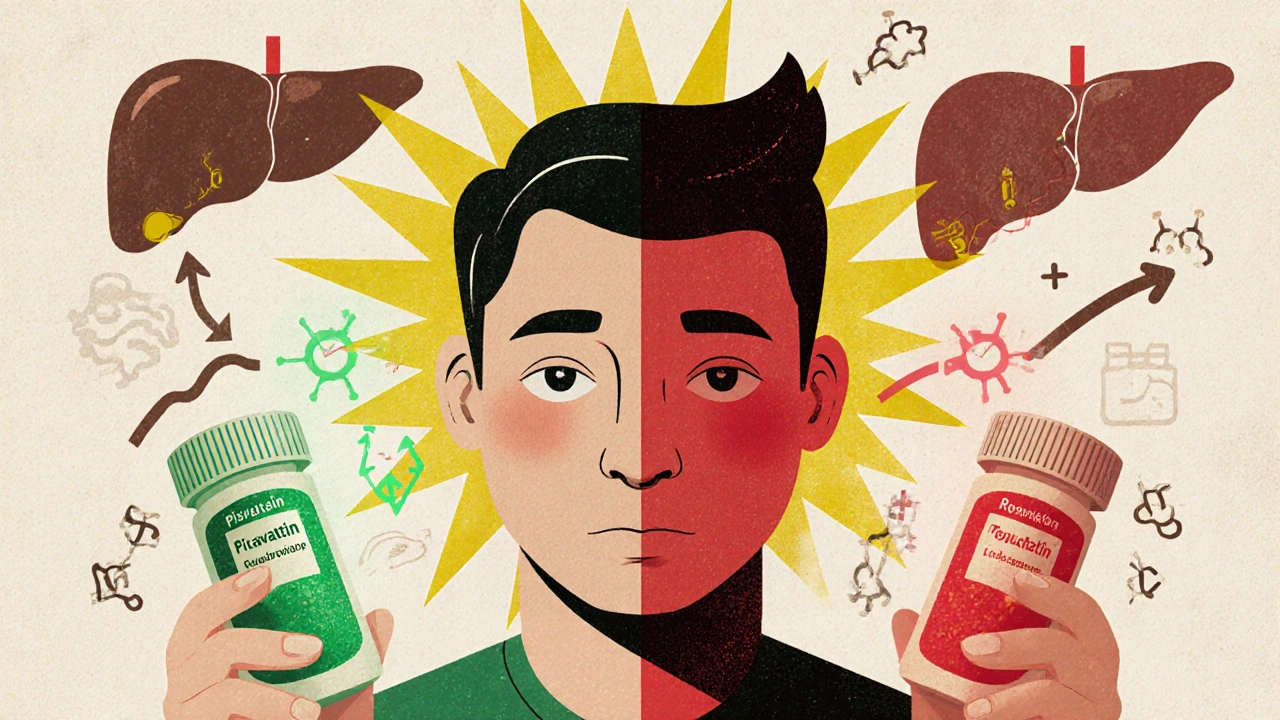
When you take a statin, a class of drugs used to lower LDL cholesterol by blocking an enzyme in the liver. Also known as HMG-CoA reductase inhibitors, these pills are among the most prescribed medications in the world — but they’re not harmless. Many people start them without knowing what to watch for. The most common issue isn’t a rare reaction — it’s muscle pain. Not every ache means you’re in danger, but ignoring it can lead to something serious called rhabdomyolysis, where muscle tissue breaks down and damages your kidneys.
Another real concern is liver enzyme changes, a sign your liver is working harder to process the drug. This doesn’t mean you have liver disease, but your doctor will check blood tests early on to make sure levels stay safe. Then there’s the diabetes risk, a small but documented increase in blood sugar levels. It’s not that statins cause diabetes — they just make it a bit more likely in people already at risk. And yes, some people report brain fog or memory issues, but studies show these are rare and often tied to the nocebo effect — meaning you expect them, so you notice them more.
What you won’t hear often is how often these side effects are blamed on statins when they’re not the cause. If you feel tired after starting one, is it the pill or your sleep? If your joints hurt, is it aging, arthritis, or the drug? That’s why tracking symptoms and talking to your doctor matters more than stopping cold turkey. Some side effects fade after a few weeks. Others go away if you switch from atorvastatin to rosuvastatin — not all statins are the same. And if you’re on other meds like antibiotics or grapefruit juice, interactions can make side effects worse. You don’t need to avoid all citrus, but you do need to know which ones to skip.
What you’ll find in the posts below isn’t just a list of side effects — it’s the real talk you won’t get from a drug pamphlet. You’ll see how people manage muscle pain without quitting statins, why some folks feel better switching brands, how to spot fake symptoms from real ones, and what to do if your doctor says "it’s all in your head." There’s also advice on testing, alternatives, and how to talk to your pharmacist about interactions. No fluff. No scare tactics. Just what works — and what doesn’t — for people actually taking these pills every day.