Paragraph IV Certification: What It Means for Generic Drugs and Your Access to Affordable Medications
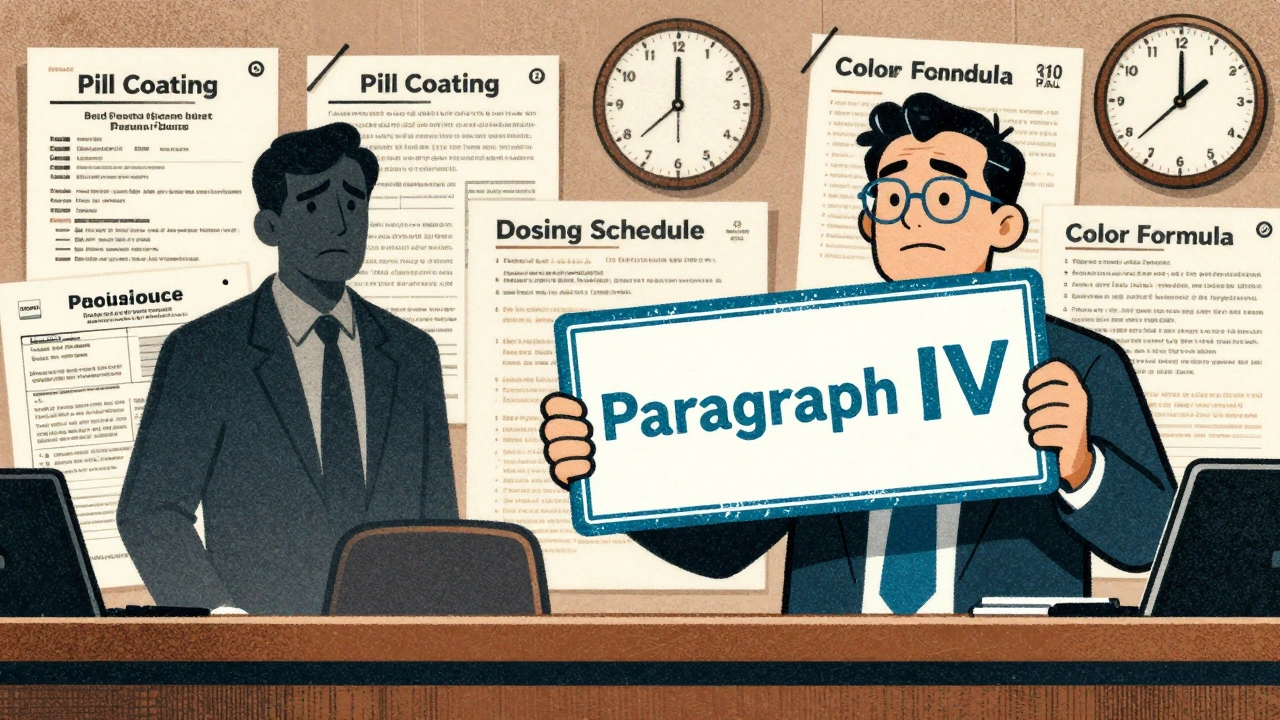
When a generic drug company files for approval with the FDA, a Paragraph IV certification, a legal statement filed under the Hatch-Waxman Act that challenges the validity or applicability of a brand-name drug’s patent. Also known as a certification of patent invalidity or non-infringement, it’s the mechanism that lets generic manufacturers bring lower-cost versions to market before brand-name patents expire. This isn’t just paperwork—it’s the reason you can buy generic versions of drugs like atorvastatin or metformin for a fraction of the brand price. Without Paragraph IV certifications, many generics would stay locked out for years, even after the science behind the drug is public knowledge.
Here’s how it works: when a brand-name drug gets approved, its patent gets listed in the FDA’s Orange Book. Any company wanting to make a generic version must either wait until the patent runs out—or file a Paragraph IV certification saying the patent is invalid, or that their product doesn’t infringe on it. Filing this triggers a 45-day window for the brand-name company to sue for infringement. If they do, the FDA can’t approve the generic for up to 30 months—unless the court rules in favor of the generic maker first. This system creates a high-stakes race: generic companies risk millions in legal costs, but if they win, they get 180 days of exclusive market access as the first approved generic. That’s why you’ll often see multiple generic versions hit the market at once after a successful Paragraph IV challenge.
This process directly affects what medications are available to you—and how much you pay. For example, the generic version of Lipitor (atorvastatin) became available after multiple Paragraph IV filings, dropping the price from over $100 per month to under $10. The same thing happened with Nexium, Singulair, and many others. But it’s not just about cost. Paragraph IV certifications also push innovation. When companies know their patents can be challenged, they’re forced to improve their drugs or risk losing market share fast. And when generics win, they don’t just lower prices—they increase supply, reduce shortages, and give doctors more options to tailor treatment.
Related to this are key players like the FDA ANDA, the Abbreviated New Drug Application used by generic manufacturers to prove their product is bioequivalent to the brand, and the drug patent landscape, the complex web of patents, exclusivities, and legal protections that determine when generics can enter. These aren’t just regulatory terms—they’re the backbone of how affordable drugs reach you. The FDA’s recent push to speed up ANDA reviews, especially for U.S.-made generics, means more Paragraph IV filings are being approved faster than ever.
What you’ll find in the posts below are real-world examples of how this system plays out: how manufacturing changes trigger FDA re-evaluation, why some generics face delays, and how providers and patients navigate the gap between brand and generic. You’ll see how patent challenges affect drug availability, how supply chains respond, and why some patients still struggle to get the generic they need—even after it’s approved. This isn’t theory. It’s the system that puts medicine on your shelf at a price you can afford.