Naloxone Narcan: What It Is, How It Works, and Why It Saves Lives
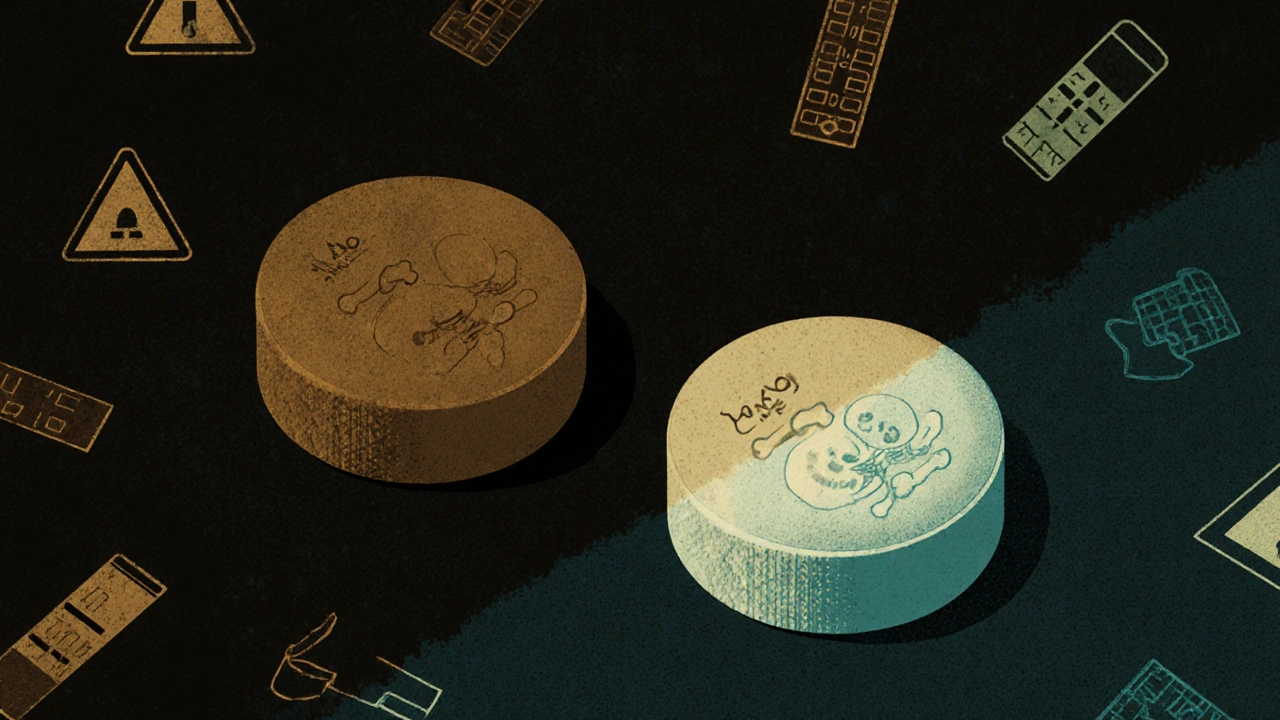
When someone overdoses on opioids, every minute counts. That’s where Naloxone, a medication that rapidly reverses opioid overdose by blocking opioid receptors in the brain. Also known as Narcan, it’s the go-to tool for first responders, family members, and even strangers who step in to help. Naloxone doesn’t work on alcohol, benzodiazepines, or stimulants—only opioids like heroin, fentanyl, oxycodone, and morphine. It’s not a cure, but it buys time. And in many cases, that’s all it takes to bring someone back.
Naloxone isn’t just for hospitals anymore. It’s now available over the counter in pharmacies, carried by police officers, and distributed for free by community programs. You don’t need a prescription to buy it in most places, and it’s safe to use—even if you’re not sure the person took opioids. If they’re unresponsive, not breathing, or have pinpoint pupils, giving naloxone won’t hurt them. It only works if opioids are in their system. And if they’re not? Nothing happens. No side effects. No danger. That’s why so many people keep a dose in their bag, car, or medicine cabinet.
People who use opioids, their loved ones, and even teachers and librarians are learning how to use it. The nasal spray version, Narcan, is simple: one spray in each nostril. No needles. No training required. It’s designed so anyone can act fast. And it’s not just for adults—children have been saved by naloxone after accidentally swallowing pills. The CDC and WHO both recommend it as a public health priority. Still, too many people don’t know it exists—or think it’s only for addicts. That’s not true. It’s for anyone who might be at risk, and that includes people prescribed painkillers, people recovering from addiction, and even those who just took one pill they didn’t know was laced with fentanyl.
What you’ll find in the posts below aren’t just medical facts. They’re real stories and practical guides—how to recognize an overdose, how to store naloxone so it doesn’t expire, what to do after giving it, and why having it nearby could be the difference between life and death. You’ll also see how it fits into broader conversations about pain management, harm reduction, and how we treat addiction. This isn’t theoretical. It’s something you might need to use tomorrow. And knowing how to use it could save someone you care about.