Medication Safety: Protect Yourself from Dangerous Interactions and Fake Pills
When you take a pill, you're trusting that it’s the right one, in the right dose, and won’t hurt you when mixed with your coffee, your smoking habit, or that cheap online order. Medication safety, the practice of using drugs correctly to avoid harm while maximizing benefit. Also known as drug safety, it’s not just a hospital rule—it’s your daily shield against mistakes that can land you in the ER. This isn’t theoretical. People die every year from fake pills that look like oxycodone but contain enough fentanyl to kill an elephant. Others get sick because they took their thyroid medicine with a protein shake, or split a tablet that shouldn’t be split, or ignored their prescription label because "it looked fine."
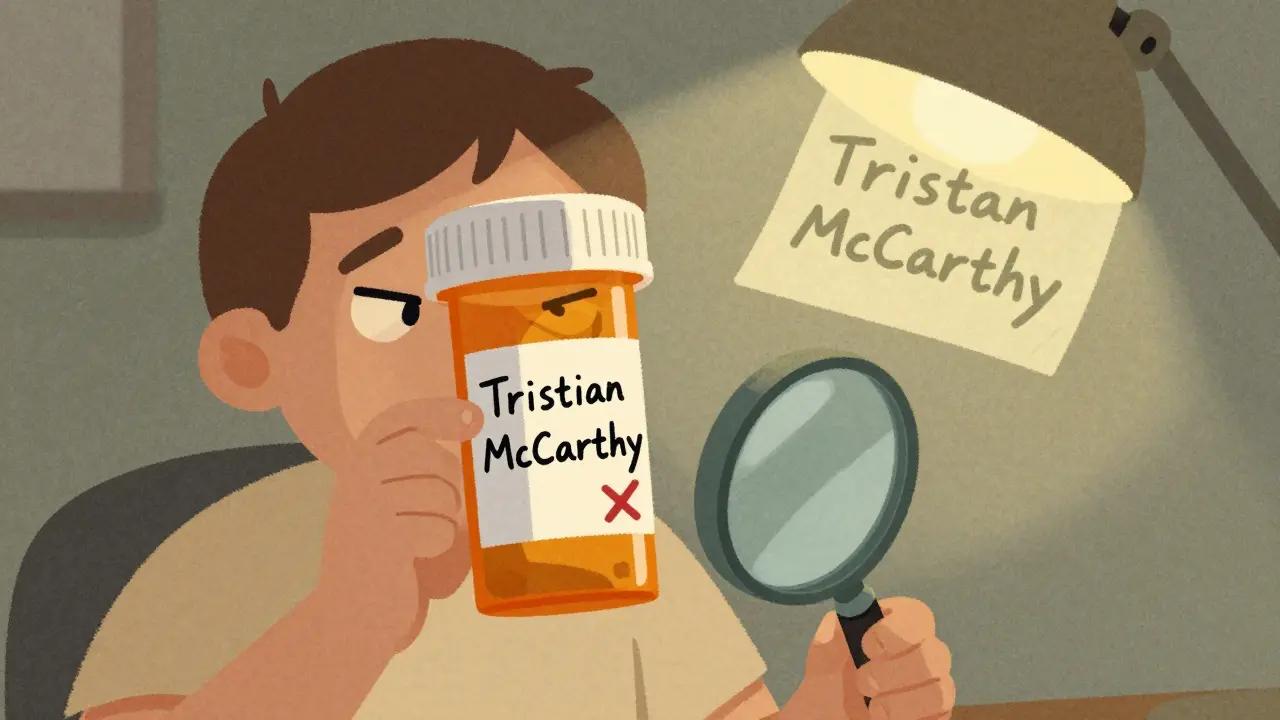
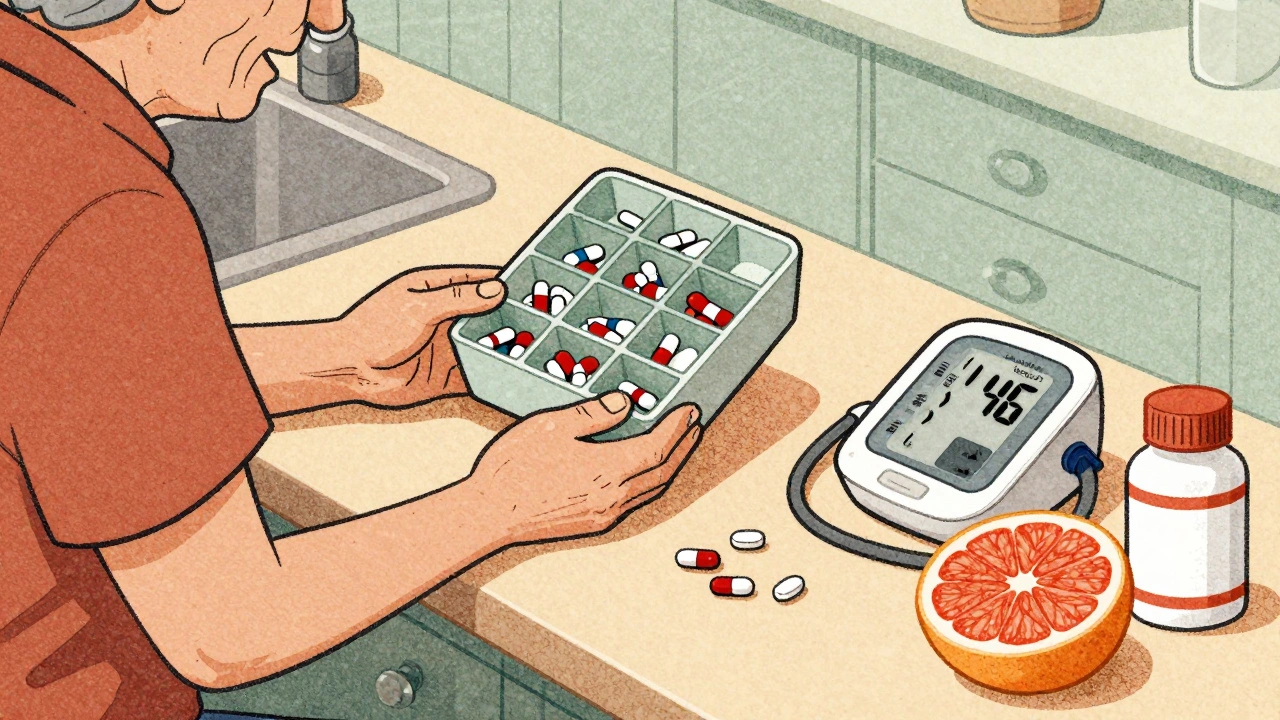
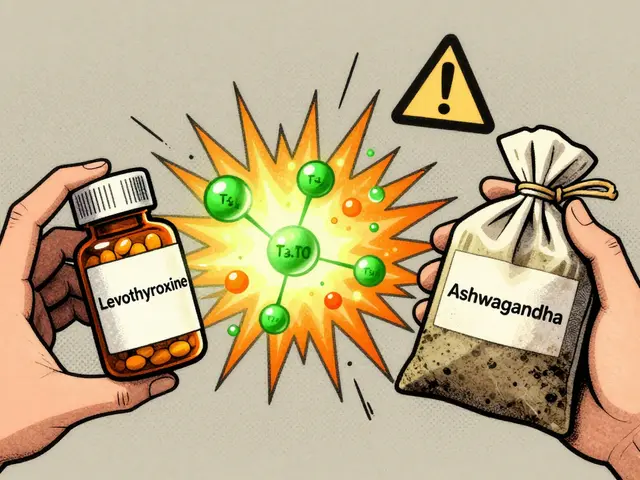
Real medication safety starts with understanding what’s on that tiny label—your name, the exact dose, the warning about grapefruit juice, the expiration date. Prescription label, the official guide printed by your pharmacy that tells you how, when, and why to take your medicine is your first line of defense. But it doesn’t stop there. Drug interactions, when one medication changes how another works in your body are silent killers. Smoking can cut your clozapine levels in half. Protein shakes can block your levothyroxine. Even something as simple as grapefruit can turn a safe dose into a toxic one. And then there’s the growing threat of counterfeit pills, fake medications sold online that look real but contain deadly substances like fentanyl. These aren’t rare cases—they’re epidemic-level risks, especially for people buying cheap generics without a prescription.
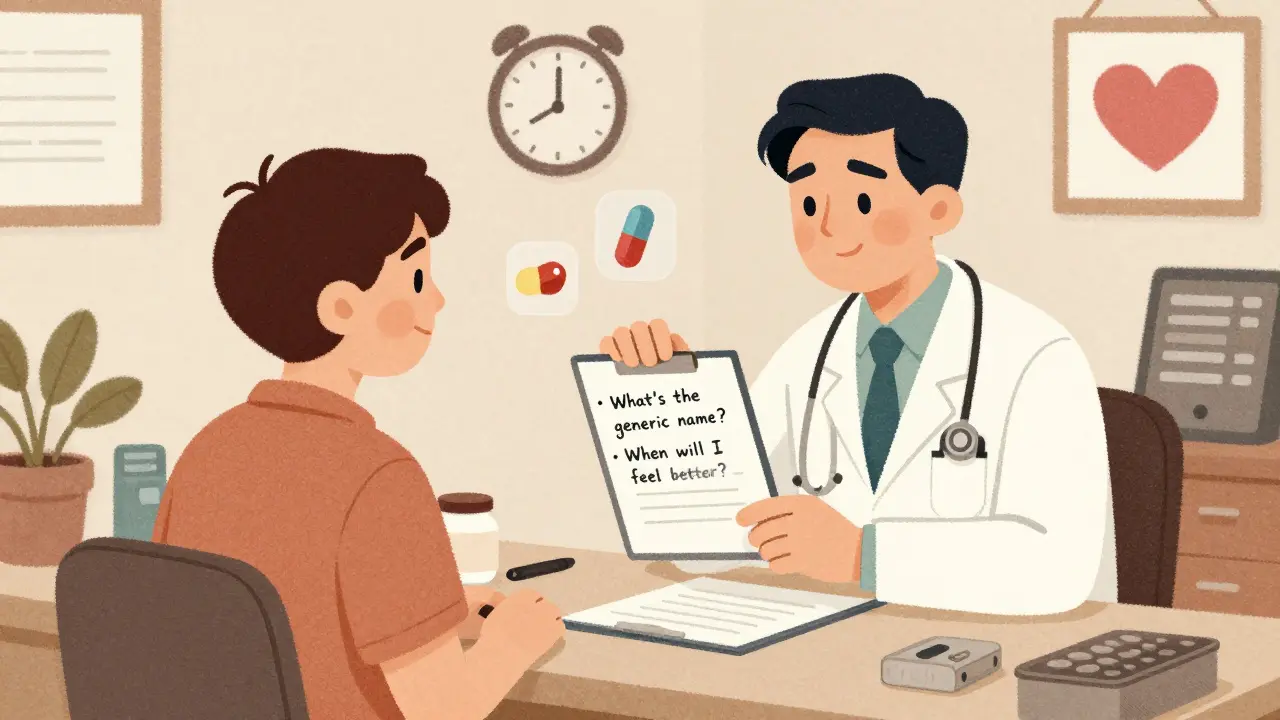
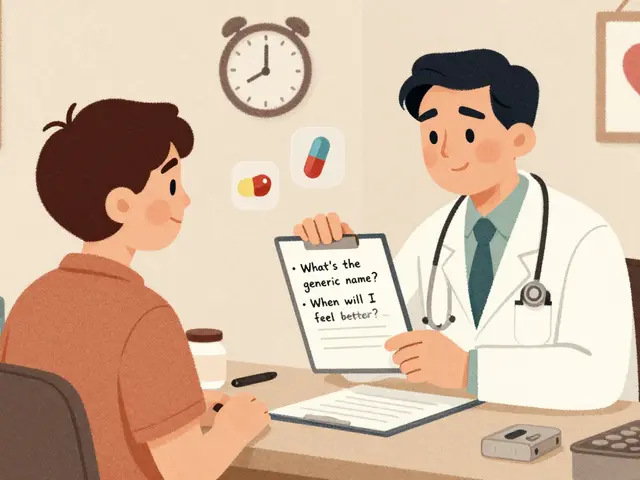
Medication safety also means knowing when to question your doctor or pharmacist. Is it safe to split that pill to save money? Can you use that herbal supplement with your anticoagulant? Should you avoid sulfa drugs if you’re allergic to one? These aren’t yes-or-no questions—they’re personal, complex, and often misunderstood. The posts below give you real stories from providers, patients, and researchers: how one person avoided an overdose by using a fentanyl test strip, how another fixed their thyroid levels by changing their morning routine, how a simple label misunderstanding led to a hospital stay. You’ll see what works, what doesn’t, and what no one tells you until it’s too late. This isn’t about fear. It’s about control. You’re not just taking pills—you’re managing your health. And with the right knowledge, you can do it without risking your life.