Adverse Drug Events: What They Are, Why They Matter, and How to Spot Them
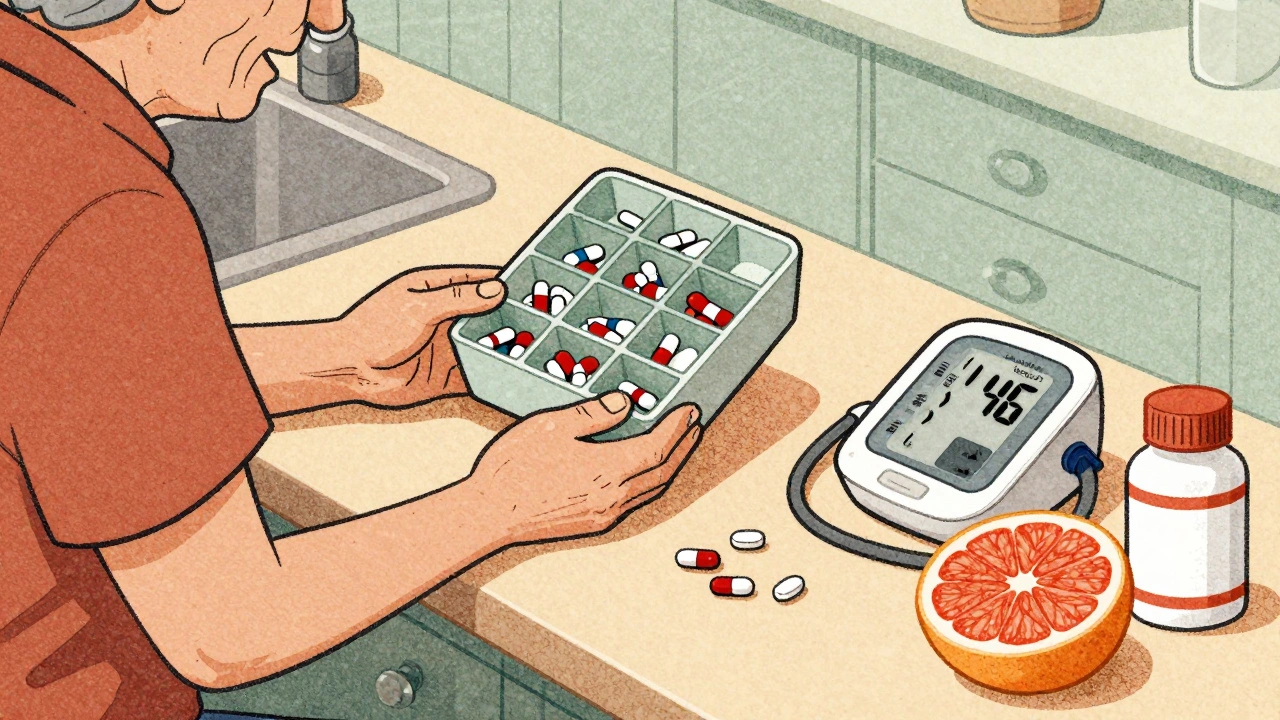
When a medicine causes harm you didn’t expect, that’s an adverse drug event, a harmful or unintended reaction to a medication taken at normal doses. Also known as adverse drug reaction, it’s not just a nuisance—it’s a leading cause of hospital stays and even death. Unlike a common side effect like drowsiness or dry mouth, an adverse drug event is something dangerous: a dangerous heart rhythm, liver damage, severe allergic swelling, or a fall from dizziness that breaks your hip. These aren’t rare. One in five hospital admissions in the U.S. involves an adverse drug event, and many happen because someone didn’t know their meds could interact—or because a generic looked different and they stopped taking it.
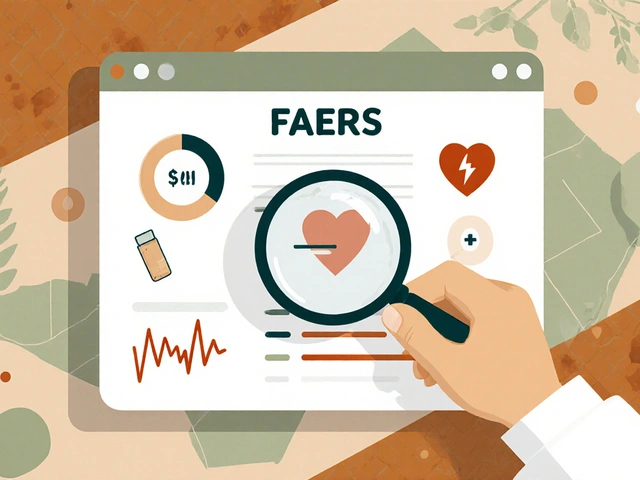
Adverse drug events don’t happen in a vacuum. They’re tied to pharmacovigilance, the science of detecting, assessing, and preventing medication-related harm. Doctors and pharmacists rely on systems like the FDA FAERS, the federal database where healthcare providers and patients report unexpected reactions to drugs to spot patterns. One report might mean nothing. But 200 reports of the same reaction? That’s a red flag. That’s how we learn that a drug once thought safe might raise dementia risk, or that a common antibiotic can cause nerve damage in older adults.
Not every bad reaction is the drug’s fault. Sometimes it’s the dose. Sometimes it’s mixing meds you didn’t tell your doctor about. Sometimes it’s a pill you bought online that’s laced with something deadly. And sometimes, it’s just your body’s reaction to a change you didn’t expect—like quitting smoking while on clozapine, or drinking alcohol with metronidazole. That’s why knowing the difference between a side effect and a true adverse event matters. One might make you feel weird. The other could send you to the ER.
The posts below give you real, practical tools to protect yourself. You’ll find stories from providers who’ve seen generics go wrong, guides on how to read your prescription label so you don’t miss a warning, and deep dives into how drugs like tricyclic antidepressants or corticosteroids can quietly damage your brain or stomach. You’ll learn how to use the FDA’s own database to check if a drug has a history of trouble, and how to talk to your pharmacist when something doesn’t feel right. This isn’t theory. These are the exact issues people face every day—and the steps they took to stay safe.