Senior Medications: Safe Use, Interactions, and Smart Choices for Older Adults
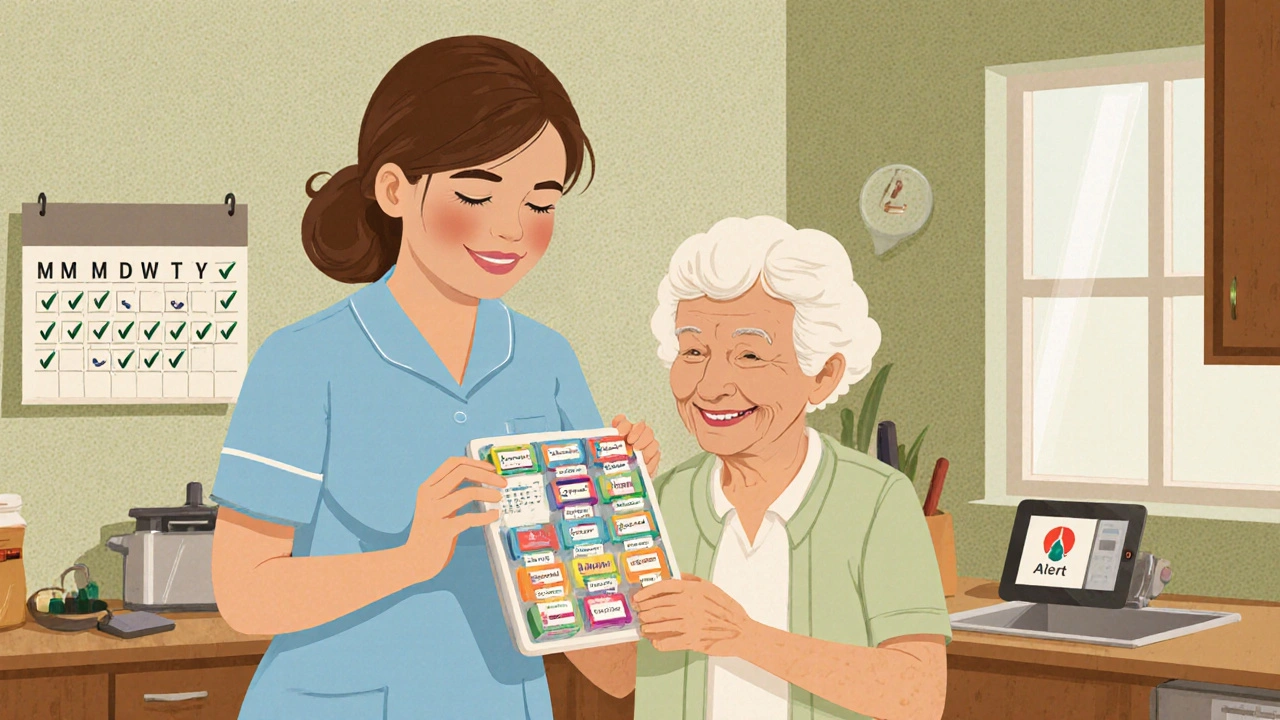
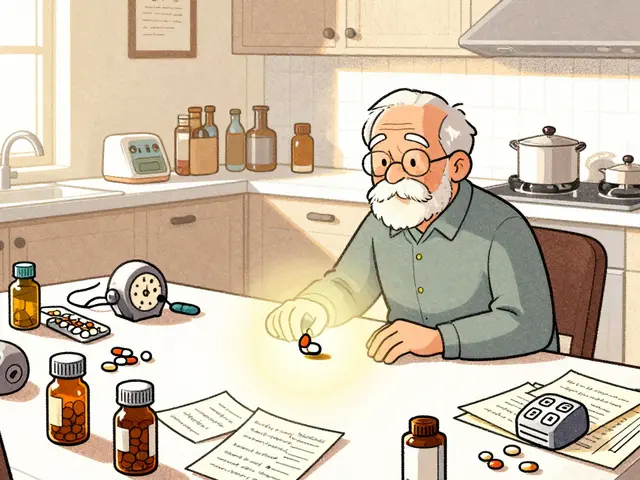
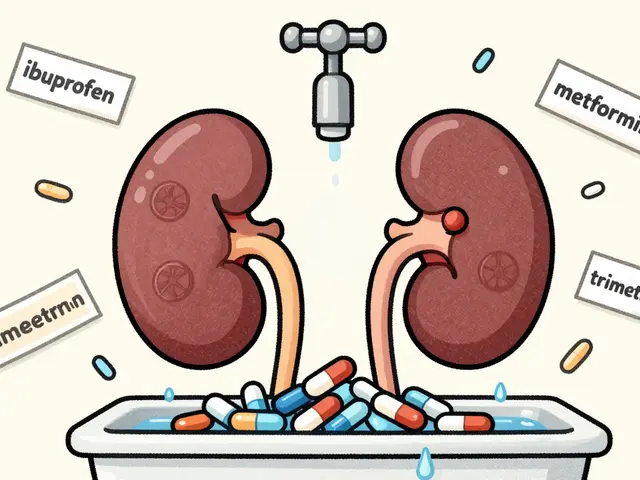
When it comes to senior medications, drugs taken by older adults to manage chronic conditions like high blood pressure, diabetes, arthritis, or heart disease. Also known as geriatric medications, these are often part of a daily routine that can include five or more pills at once. This isn’t just about taking pills—it’s about staying safe when your body changes with age. Metabolism slows down. Kidneys don’t filter as well. And what was once a harmless dose can suddenly become dangerous. The senior medications you take need to be reviewed regularly, not just refilled automatically.
One big problem? polypharmacy, the use of multiple medications at the same time, common in seniors. It’s not always bad—sometimes you need several drugs—but it’s risky if no one’s checking how they work together. For example, mixing a blood thinner like warfarin with alcohol can spike your INR and raise bleeding risk. Or taking NSAIDs with corticosteroids might lead to a gastric ulcer you never saw coming. Even something as simple as protein shakes can mess with levothyroxine absorption if taken at the wrong time. These aren’t rare cases—they happen daily because the system doesn’t always connect the dots.
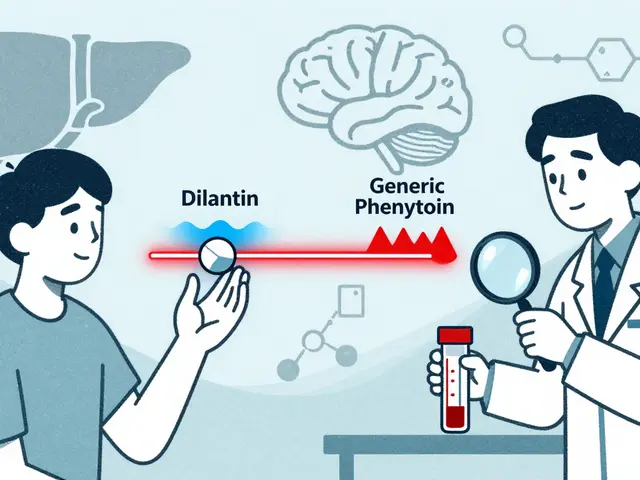
Another hidden issue is generic medications, lower-cost versions of brand-name drugs that are usually just as effective. Also known as generic substitution, they’re widely used by seniors to save money—but not all are created equal. Some people report strange side effects after switching, not because the drug is bad, but because fillers or coatings differ slightly. Providers share real stories where generics saved lives—and others where tiny differences caused confusion or harm. Knowing when to trust them and when to ask questions matters.
And then there’s the silent danger: drug interactions. A common antibiotic like metronidazole used to be blamed for violent reactions with alcohol. New evidence says that’s mostly a myth—but other interactions are very real. Smoking can cut clozapine levels in half. Selenium might help methimazole work better for thyroid issues. Fentanyl in fake pills is killing people who think they’re getting a safe painkiller. These aren’t theoretical risks. They’re daily realities for older adults trying to manage health without a medical team watching every pill.
What you’ll find below isn’t a list of drug names. It’s a collection of real, practical guides written for people who take senior medications—or care for someone who does. You’ll learn how to read your prescription label so you don’t miss critical warnings. You’ll see how to safely split pills to cut costs without risking overdose. You’ll find out why some seniors need PPIs and others don’t. You’ll discover how to avoid dangerous mix-ups with over-the-counter meds and supplements. These aren’t theory pieces. They’re based on studies, provider experiences, and patient stories that show what actually works—and what doesn’t.