FDA FAERS: Understanding Drug Safety Reports and Real-World Side Effects
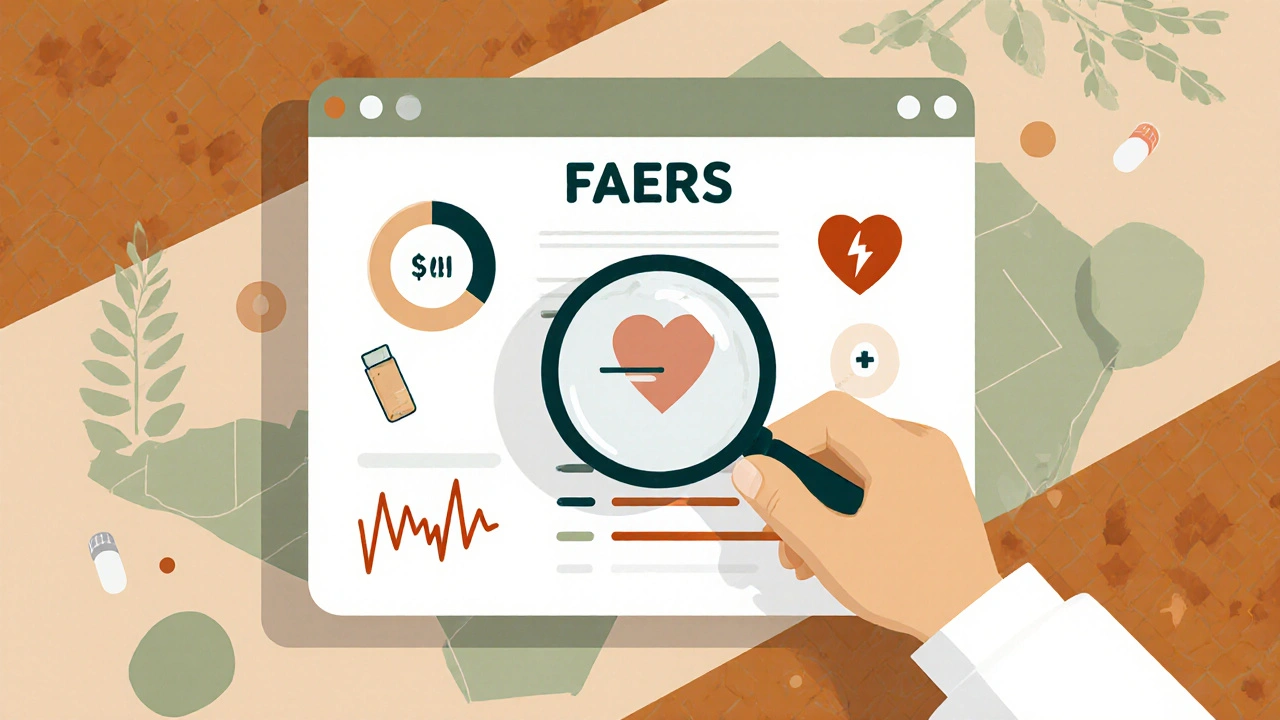
When you take a new medication, you’re relying on clinical trials to tell you what might go wrong. But those trials only involve a few thousand people over months. What happens when millions take the drug for years? That’s where FDA FAERS, the FDA’s publicly accessible database of spontaneous adverse event reports from patients and providers. Also known as FAERS, it captures real-world reactions that never showed up in controlled studies. This isn’t theoretical—it’s the only system that flags drugs that cause unexpected heart problems, liver damage, or psychiatric crashes after they’re already on shelves.
FDA FAERS isn’t a list of confirmed dangers—it’s a signal generator. A spike in reports about a drug and a rare side effect doesn’t mean the drug causes it, but it tells regulators to dig deeper. That’s how the link between certain antibiotics and tendon rupture, or between some antidepressants and suicidal thoughts in teens, first came to light. It’s also how we learned that some generic versions of blood pressure meds had dangerous impurities. The system relies on voluntary reports from doctors, pharmacists, and patients. That means the data is messy, incomplete, and often delayed—but it’s also the only window into what happens outside the lab.
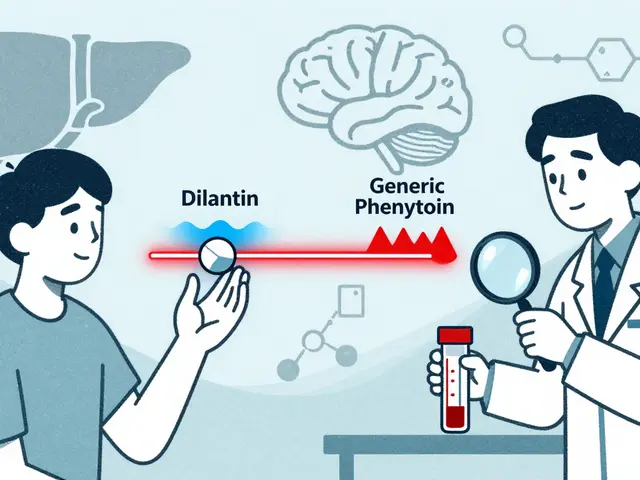
What you won’t find in FAERS are clear cause-effect conclusions. But you will find patterns: if 500 people report the same strange symptom after taking a new statin, and only 2 reported it with older ones, that’s a red flag. The system tracks adverse drug reactions, harmful, unintended responses to medications taken at normal doses, which are different from simple side effects like drowsiness or dry mouth. It also captures post-market surveillance, the ongoing monitoring of drug safety after approval, which is where most serious risks are uncovered. And it’s not just about brand names—generics show up too, sometimes with different reporting patterns because of fillers or manufacturing differences.
Doctors don’t always check FAERS. Pharmacies don’t screen for it. But if you’ve had a weird reaction to a drug—something no one explained, something that didn’t go away—chances are it’s already in FAERS. And if you’re considering a new medication, especially one that’s been on the market less than two years, knowing what others have reported can help you ask better questions. This collection of posts dives into the real stories behind those reports: how alcohol changes blood thinner risks, why smoking can make antipsychotics fail, how protein shakes mess with thyroid meds, and why some people react badly to generics while others don’t. These aren’t abstract warnings. They’re the human data behind the numbers in FAERS. What you’re about to read is what happens when drugs meet real lives—messy, unpredictable, and sometimes life-changing.