Adverse Events: What They Are, Why They Matter, and How to Stay Safe
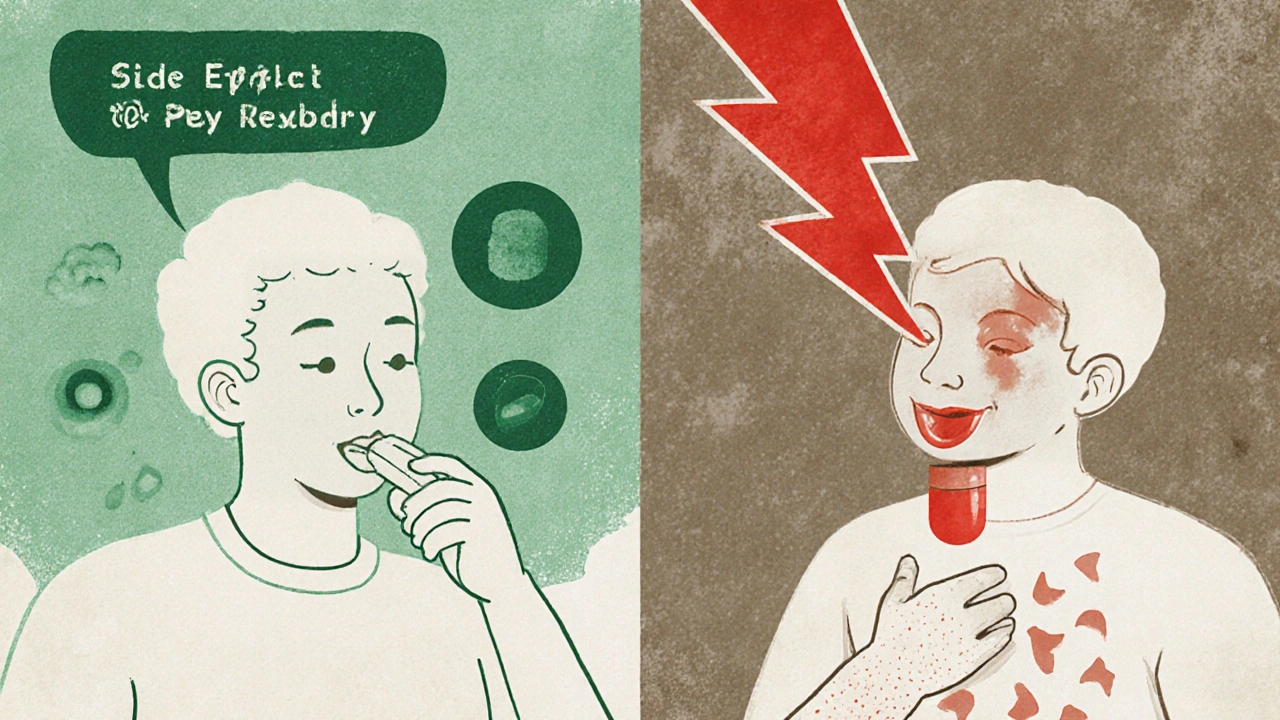
When you take a medication, you expect it to help—not hurt. But adverse events, unintended and harmful reactions to medications that occur at normal doses. Also known as adverse drug reactions, they can range from a mild rash to life-threatening organ damage. These aren’t rare mistakes. They happen every day, often because people don’t know how a drug interacts with their body, their diet, or other meds they’re taking.
Adverse events aren’t just about the drug itself. They’re shaped by what you eat, how you take it, and even your genetics. For example, clozapine, an antipsychotic that can become dangerously ineffective or toxic if smoking changes how your body breaks it down. Or levothyroxine, a thyroid hormone that loses its effect if taken with protein shakes. Even something as simple as splitting a pill can backfire if you don’t know which tablets are safe to cut. These aren’t edge cases—they’re common pitfalls buried in plain sight.
And it’s not just prescription drugs. Fake pills laced with fentanyl, a synthetic opioid 50 to 100 times stronger than morphine. are flooding the market. People think they’re buying Xanax or oxycodone, but one pill can kill. Meanwhile, herbals and supplements like Cystone or selenium get used alongside prescription meds without anyone checking for hidden clashes. Adverse events don’t care if you meant well—they only care if the mix is wrong.
What you’ll find here isn’t a list of scary stories. It’s a practical guide built from real patient and provider experiences. You’ll learn how to read your prescription label so you don’t miss critical warnings. You’ll see how smoking, diet, and even time of day can turn a safe drug into a risk. You’ll find out which medications can be safely split, which ones need exact timing, and which ones should never be bought online. These aren’t theoretical concerns—they’re daily decisions that keep people out of the ER.
Adverse events are preventable—if you know what to look for. The posts below give you the tools to spot danger before it hits. No jargon. No fluff. Just what works, what doesn’t, and how to protect yourself when you’re taking something to feel better.