Lorazepam Online: Safe Buying, Uses, and What to Watch For
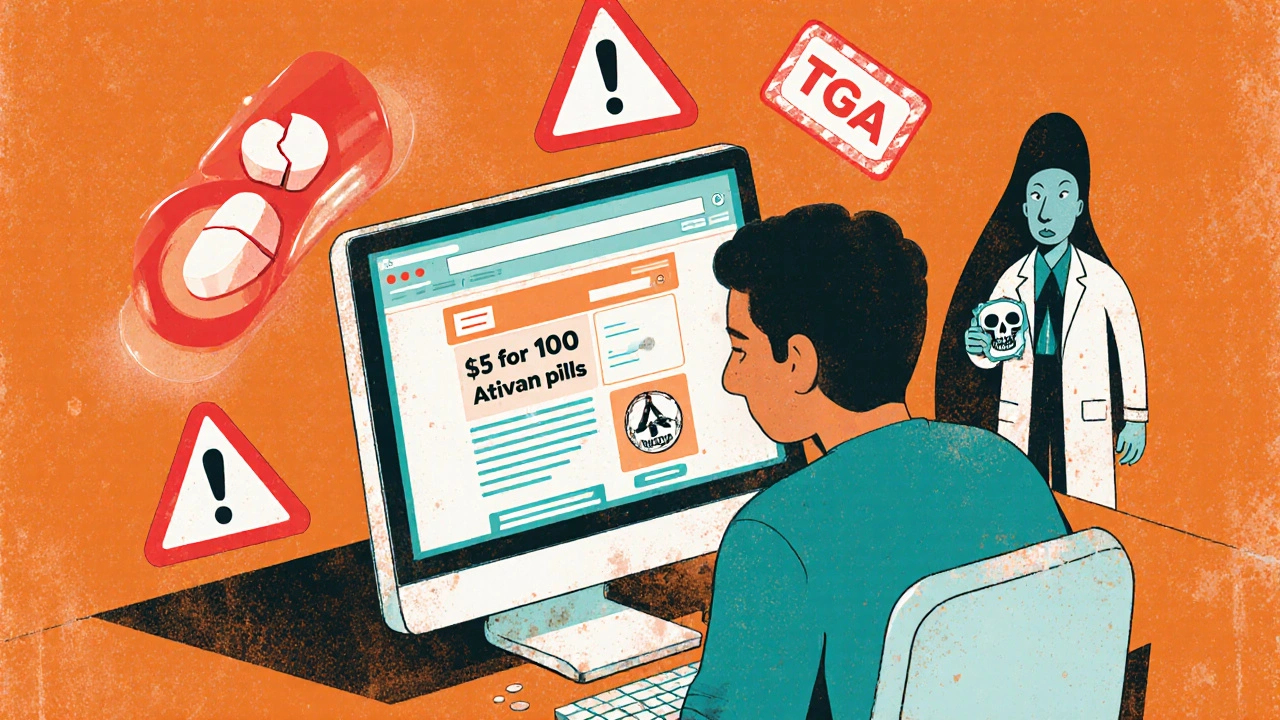
When you need relief from severe anxiety, panic attacks, or insomnia, lorazepam, a short-acting benzodiazepine prescribed for anxiety and seizure control. Also known as Ativan, it works by calming overactive nerves in the brain. But buying it online without a prescription isn’t just risky—it’s often illegal and dangerous. Many people search for lorazepam online because of cost, convenience, or stigma—but they don’t always know what they’re getting. Fake pills sold as lorazepam can contain fentanyl, sedatives, or nothing at all. The CDC reports that over 70% of overdose deaths involving synthetic opioids now include counterfeit pills disguised as prescription meds.
Real lorazepam is a controlled substance for good reason. It works fast—usually within 30 to 60 minutes—but it also carries risks: dizziness, memory gaps, dependence, and withdrawal symptoms if stopped abruptly. People who use it long-term often need medical supervision to taper off safely. It’s not meant for daily, long-term use. If you’re considering it for anxiety, talk to a doctor first. There are safer, non-addictive options like SSRIs or therapy that work just as well over time. Even if you already take it, buying refills online without a current prescription puts you at risk of overdose or legal trouble.
Some online pharmacies claim to sell lorazepam with no prescription, but they’re often unlicensed and operate outside the law. Legitimate online pharmacies require a valid prescription and are verified by bodies like the National Association of Boards of Pharmacy (NABP). Look for the VIPPS seal—only then can you trust the source. And if you’re buying because you can’t afford your meds, ask your doctor about generic versions or patient assistance programs. Many manufacturers offer discounts that cut costs by 80%.
What you’ll find below are real, practical guides from people who’ve been there: how to read your prescription label so you don’t mix up doses, how to spot counterfeit pills, why splitting pills can backfire, and what alternatives actually work for anxiety without the risk of dependence. These aren’t ads. They’re honest, evidence-backed stories from patients and providers who’ve seen the consequences of skipping proper care. Whether you’re looking for safer ways to manage anxiety, need help understanding your current prescription, or just want to avoid a dangerous mistake—this collection has what you need.